
Colombia: A 17-Day Adventure Exploring Medellín, Cartagena, and Palenque
Colombia is a country that enchants travelers with its diverse landscapes, vibrant culture, and warm people. My first 17-day trip to Colombia was a captivating experience that took me through the bustling neighborhoods of Medellín, the historic charm of Cartagena, and the cultural richness of Palenque. Here’s a detailed account of my journey, perfect for anyone planning a similar adventure.
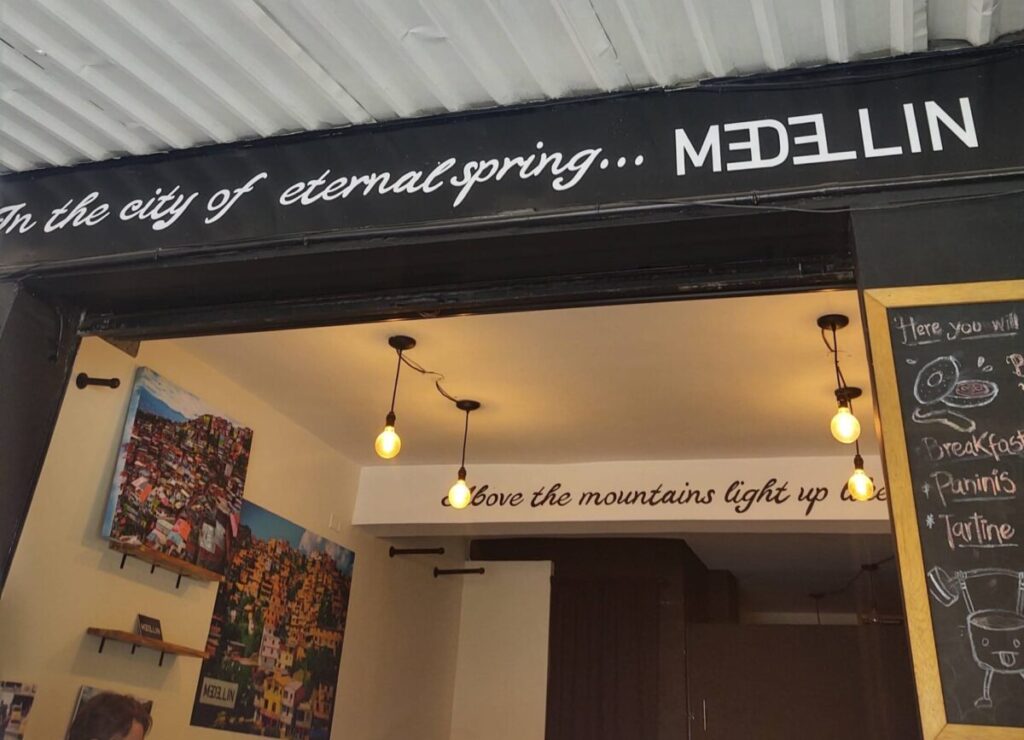
Oh, let me add here that prior to this trip I had no particular experience or real knowledge of where to visit. It all started with a google search for the best places to visit in South America. Colombia was an option and that lead to what are the best cities? I decided on Medellin, The City of eternal spring, sounded enchanting and historic. I also choose, the Caribbean side of Colombia, the popular city of Cartagena for its historic charm with an unexpected day trip to Palenque, with its African culture.
Days 1-7: Medellín – Discovering El Poblado
Arrival in Medellín
I landed in Medellín at Jose Maria Cordova Internation airport, the City of Eternal Spring, and was greeted by the crisp mountain air and the sight of sprawling greenery. My first stop was El Poblado, a trendy and upscale neighborhood known for its vibrant nightlife, chic cafes, and boutique shops.
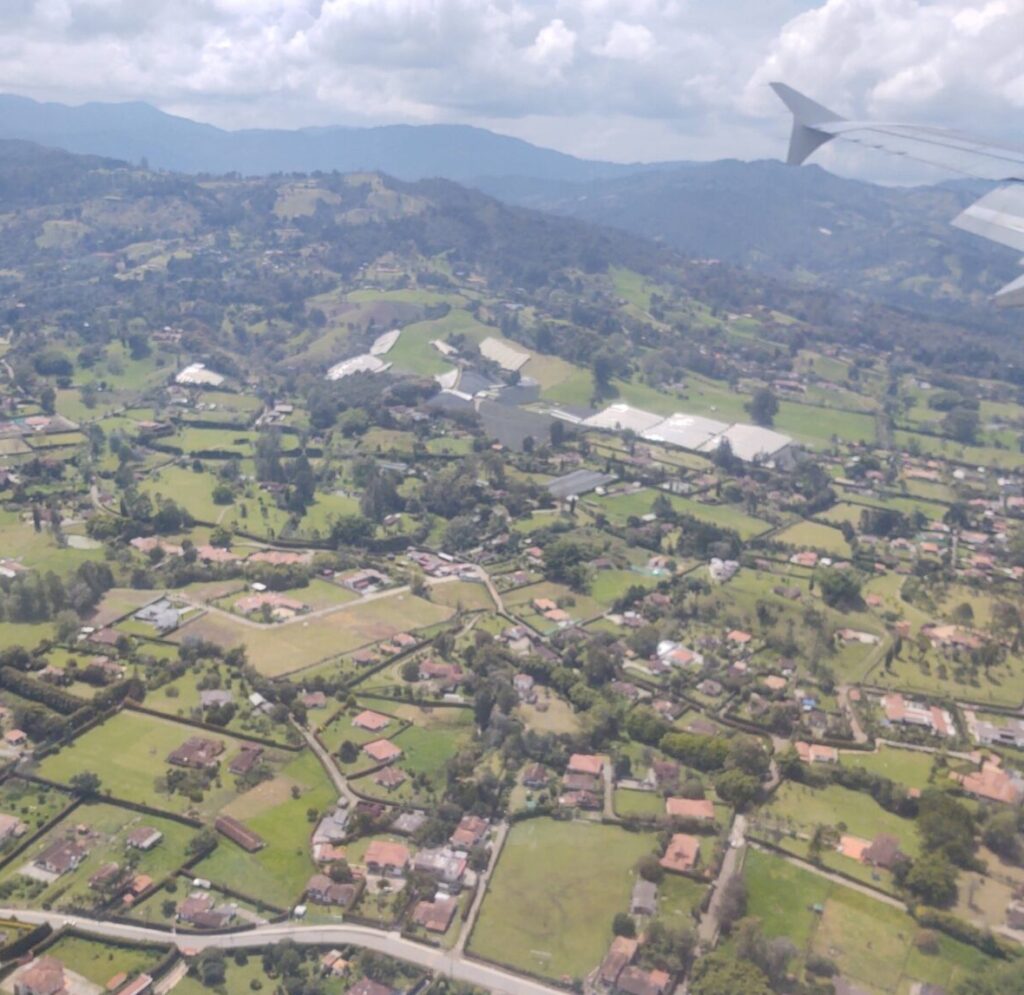
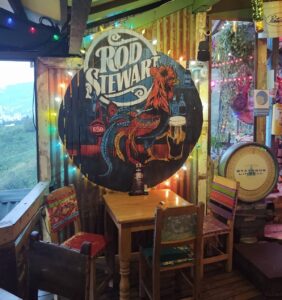
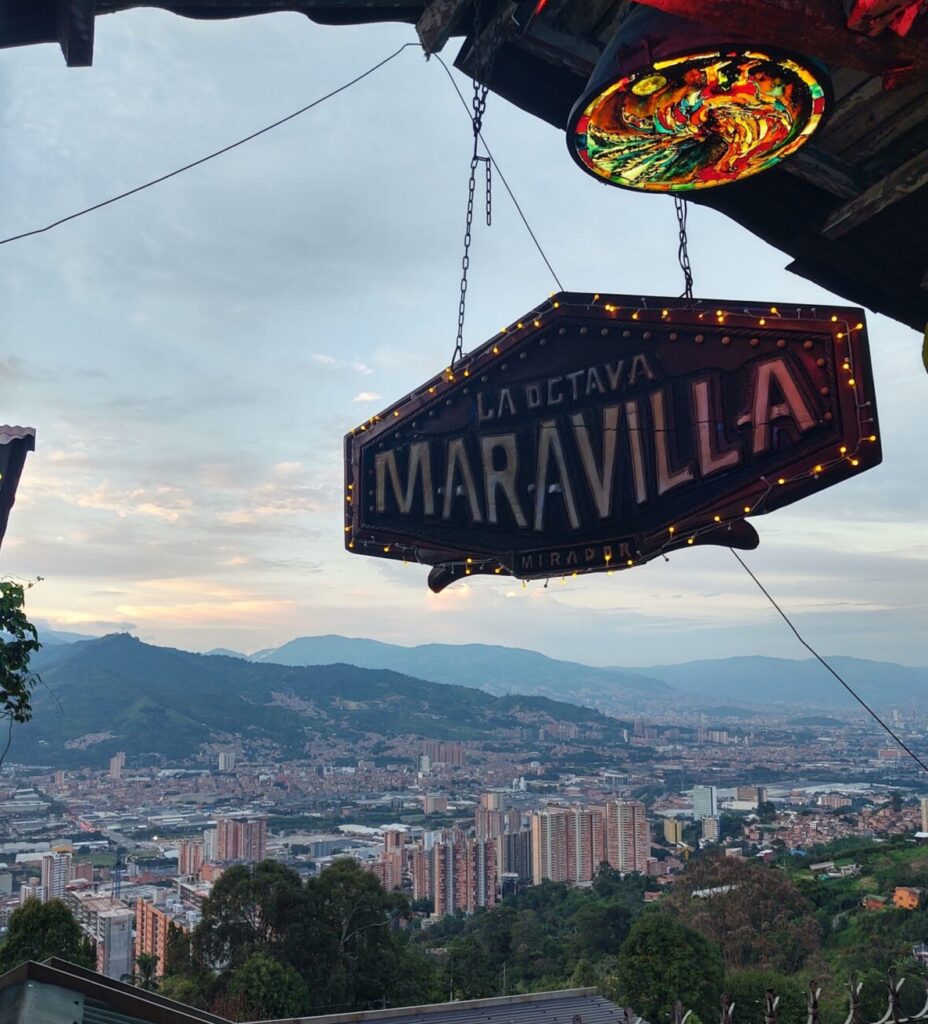
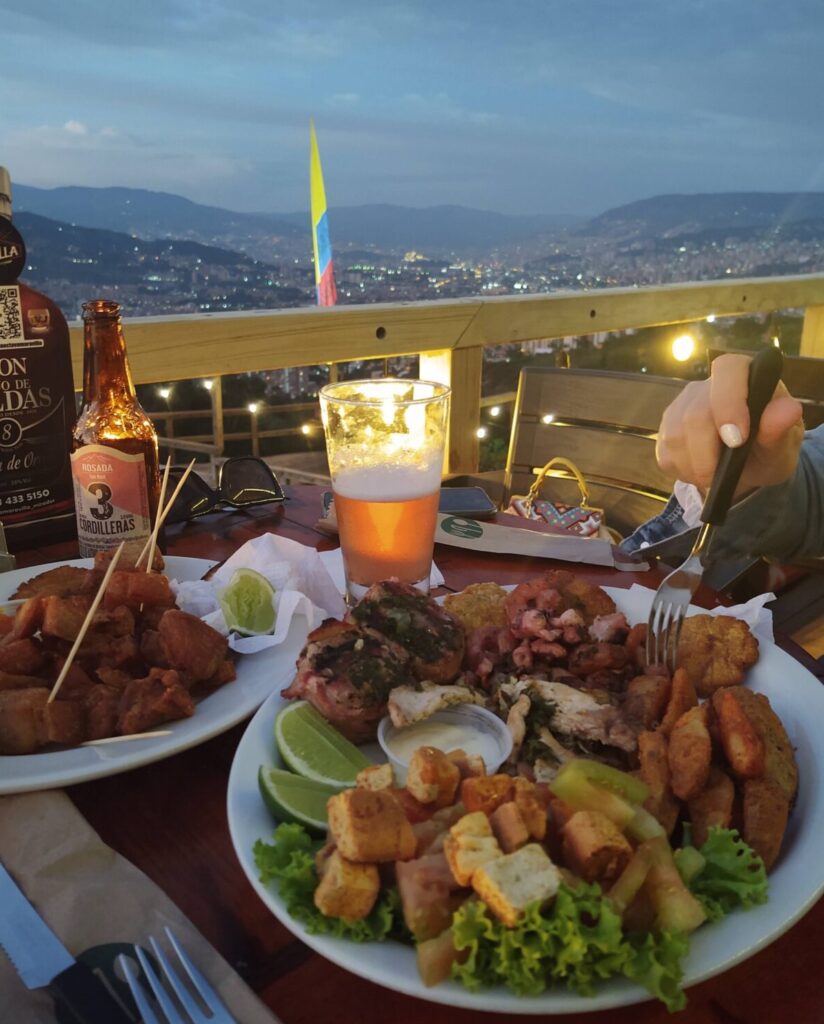
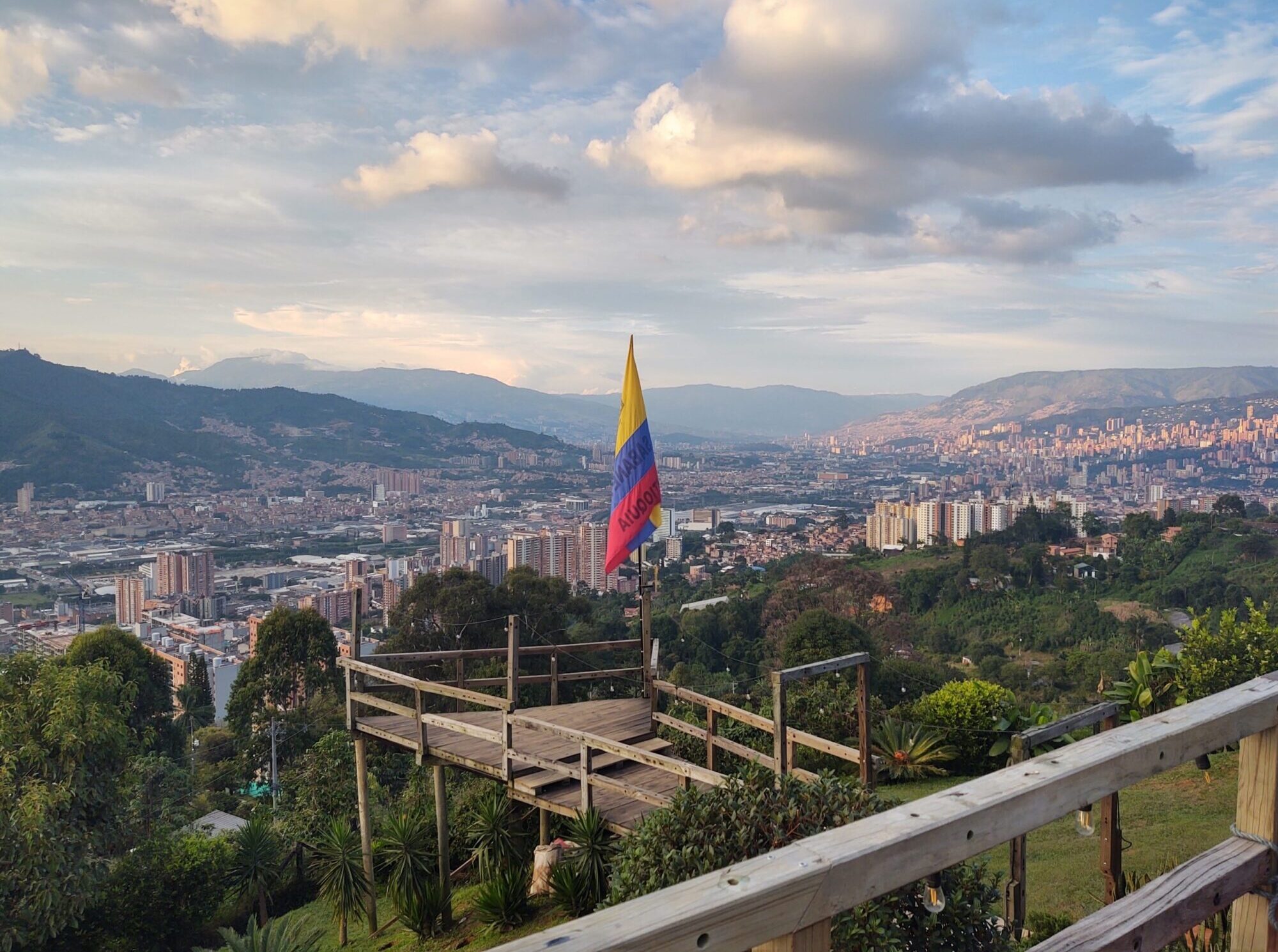
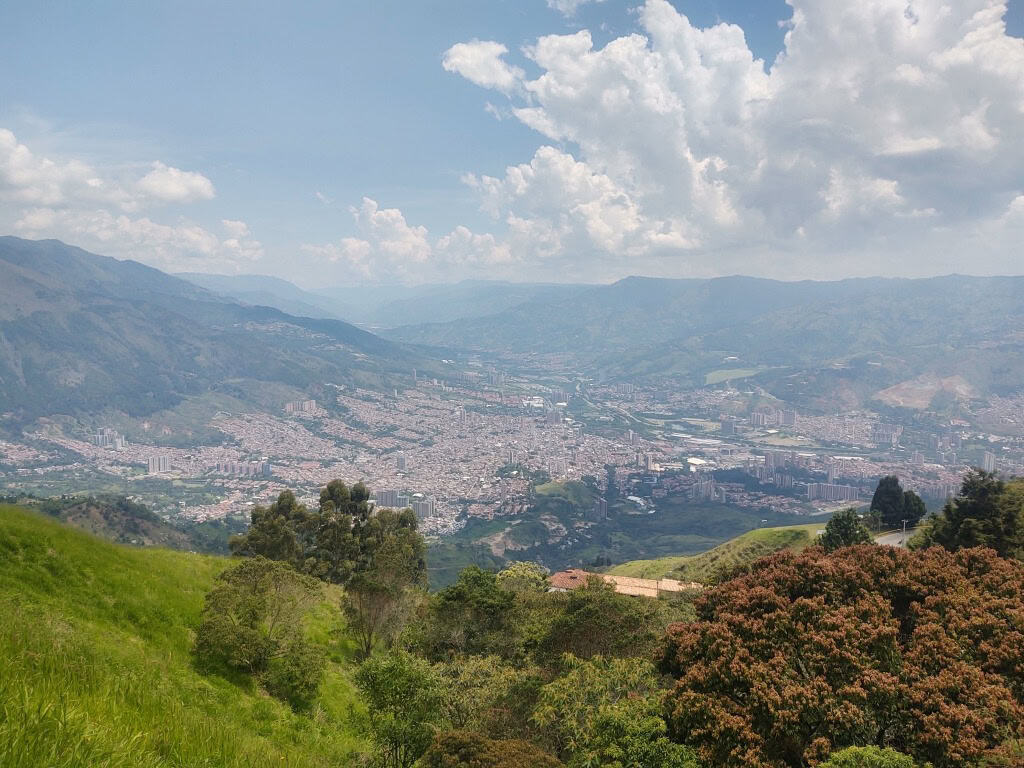
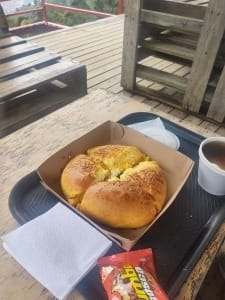
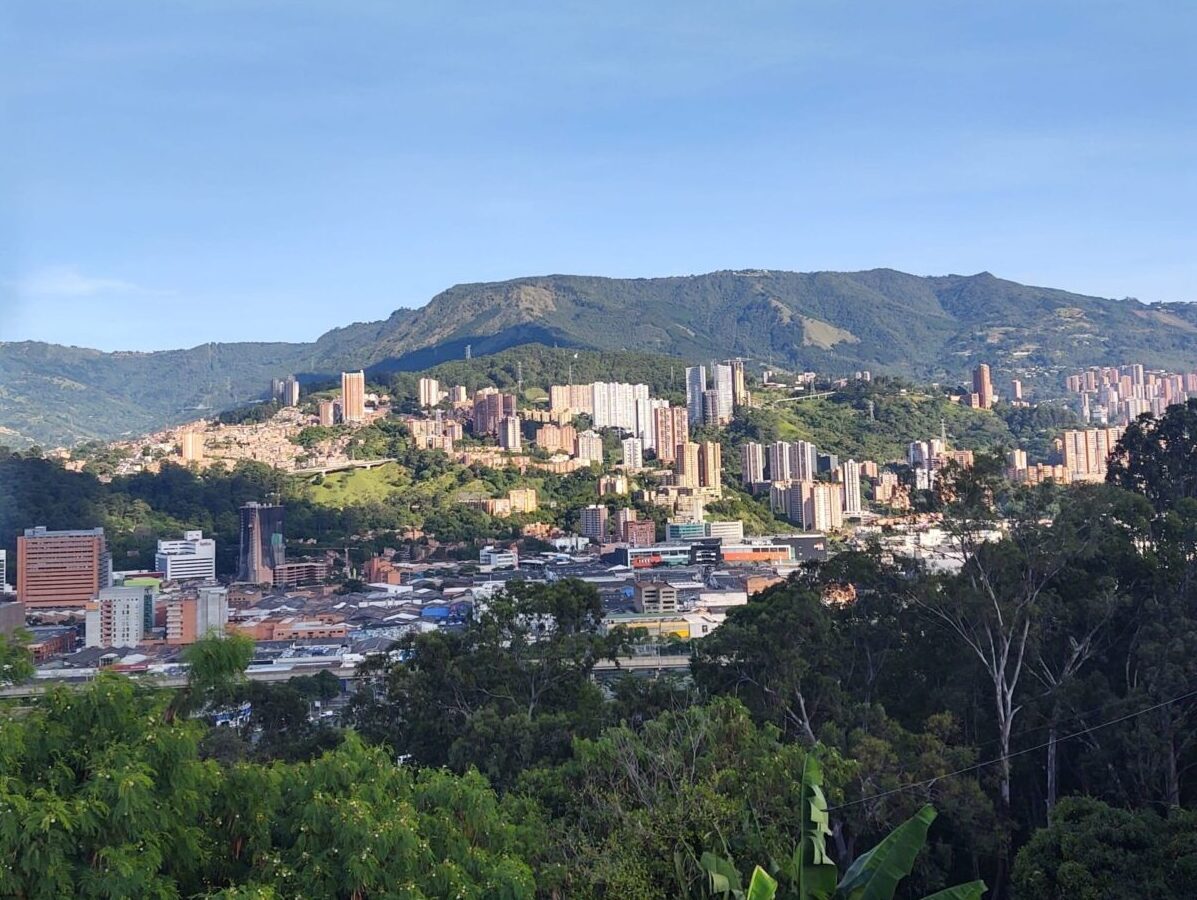
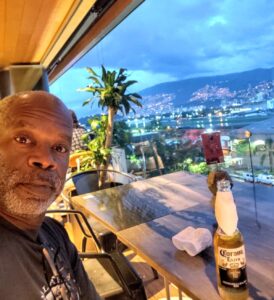
Before heading to my Airbnb, my driver stopped for lunch and a fantastic view, at a restaurant called La Octava Maravilla mirador or The Eight Wonder Bar. It’s described as a relaxed watering hole with hearty fare & outdoor seats with panoramic views of the city.

Accommodation in El Poblado
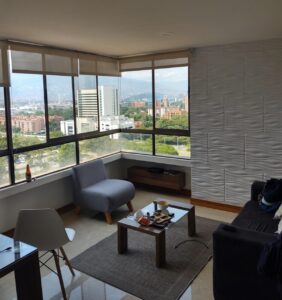
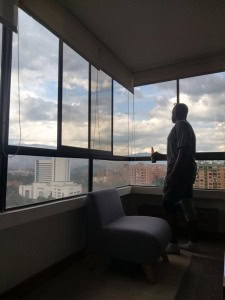
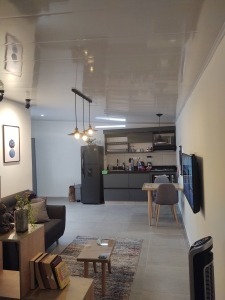
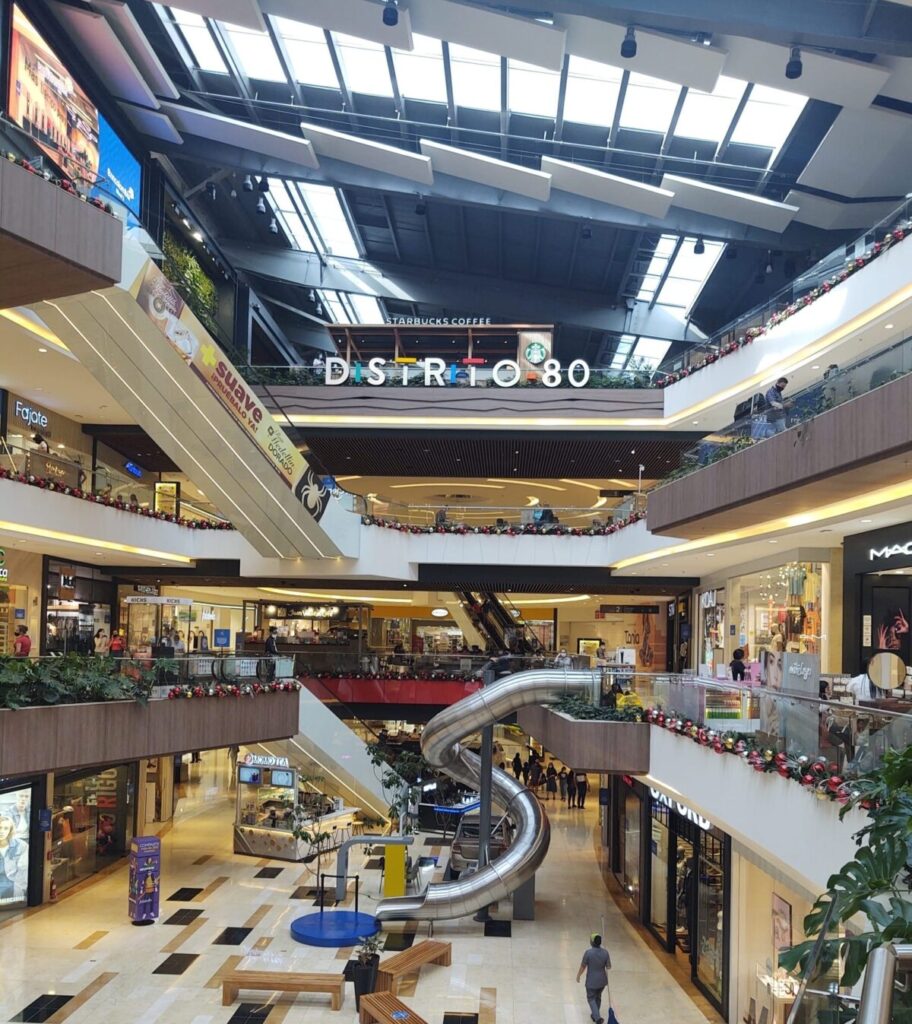
I stayed in a cozy Airbnb located across from the Oviedo shopping mall and 100 meters from Medellin’s golden mile. Parque Lleras, the heart of El Poblado’s social scene was also close by. The area was ideal for exploring on foot, with plenty of restaurants and attractions within walking distance.
Exploring El Poblado
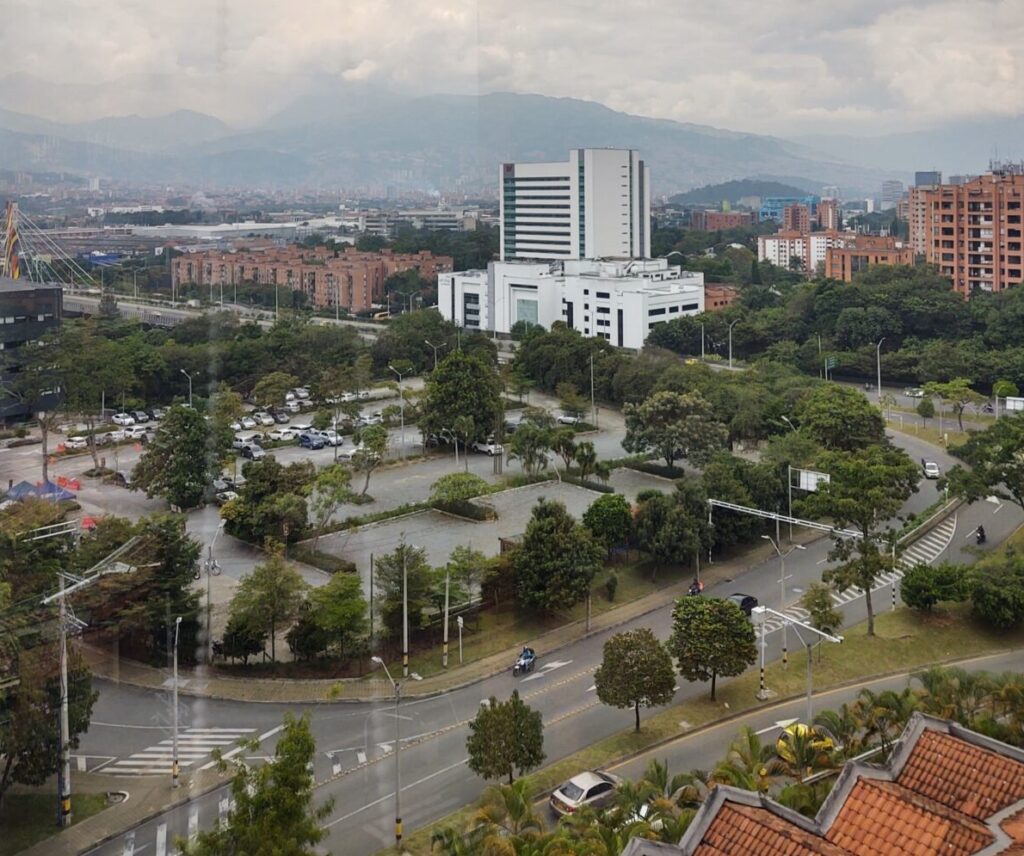
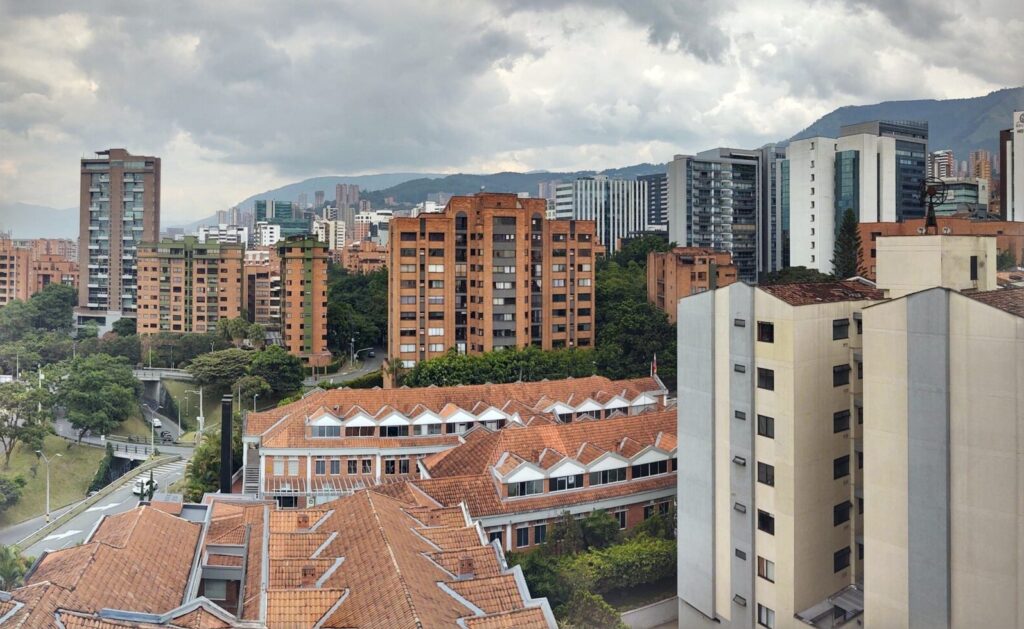
After settling in my first evening, I stuck pretty close to the apartment and went to the mall for a little walking activity and acclimation before heading back to my apartment to chill with a couple of beers while enjoying the amazing views of the city. It was all so enchanting!
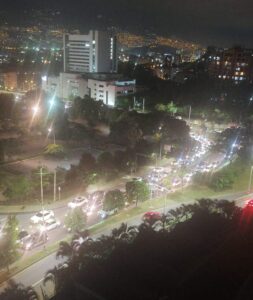
Nightlife in El Poblado
Although I didn’t partake, I did pass through, El Poblado is Medellín’s nightlife hotspot, renowned for its vibrant energy and variety of venues catering to every taste. Parque Lleras, at the heart of the neighborhood, buzzes with activity, offering everything from chic rooftop bars and lively nightclubs to casual pubs and live music spots.
Popular venues like Envy Rooftop and Salon Amador attract both locals and tourists, providing an electric atmosphere to dance the night away or enjoy stunning views of the city. While the nightlife is exciting, safety is essential. Stick to well-lit areas, avoid venturing out alone late at night, and always keep an eye on your belongings.
Using ride-sharing apps like InDriver or Uber for transportation. I wouldn’t recommend taxi’s if you don’t speak Spanish. drinking responsibly is also recommended to ensure a fun and secure experience. “Don’t give up the papaya!
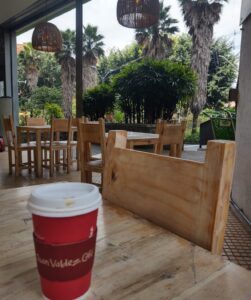
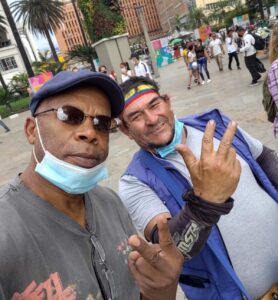
Day 2: I started with a cup of cafe or coffee. I had a very exciting sounding day tour in store for the day that I booked with TripAdvisor to see Plaza Botero and a train and tram ride to Comuna 13. I was the only person as part of a group tour, and I could not have been more pleased. We had a much more relaxed atmosphere with a cool tour guide for the day.

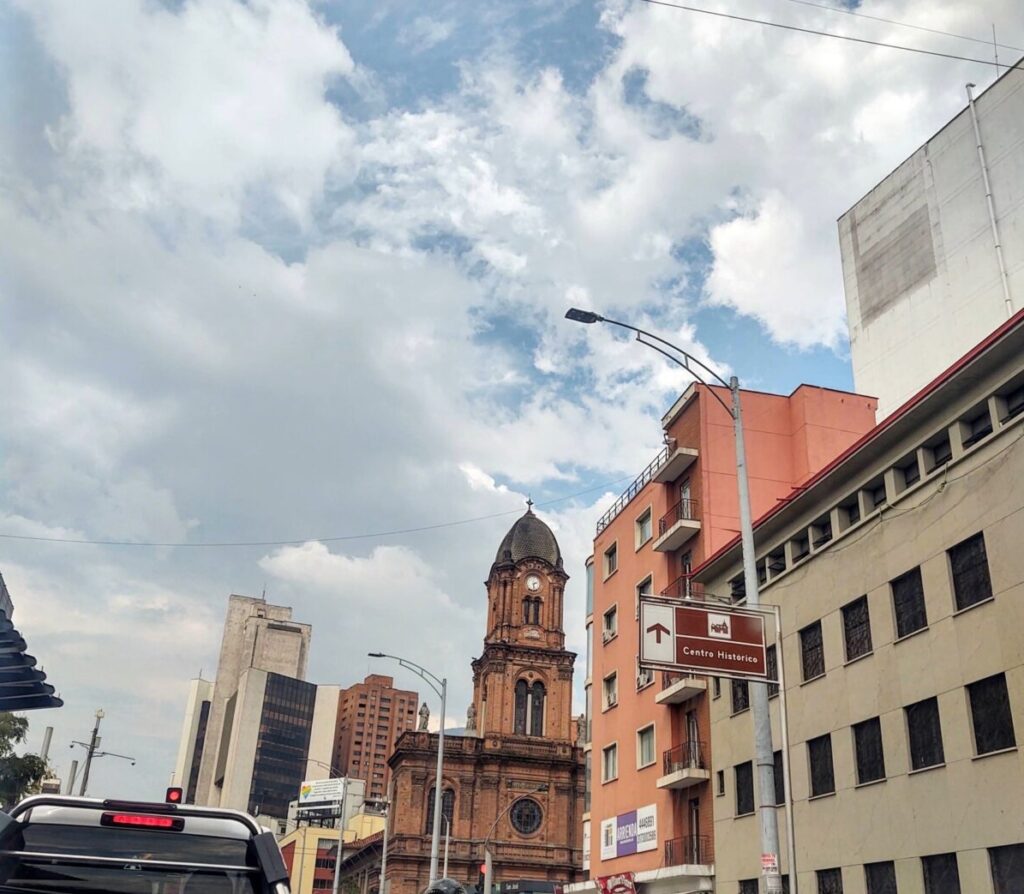
Our first stop was Plaza Botero, located in the heart of Medellín, is an open-air museum showcasing the unique works of renowned Colombian artist Fernando Botero. The plaza features 23 oversized bronze sculptures, including iconic pieces like “The Fat Cat” and “The Hand,” each embodying Botero’s signature style of exaggerated proportions.
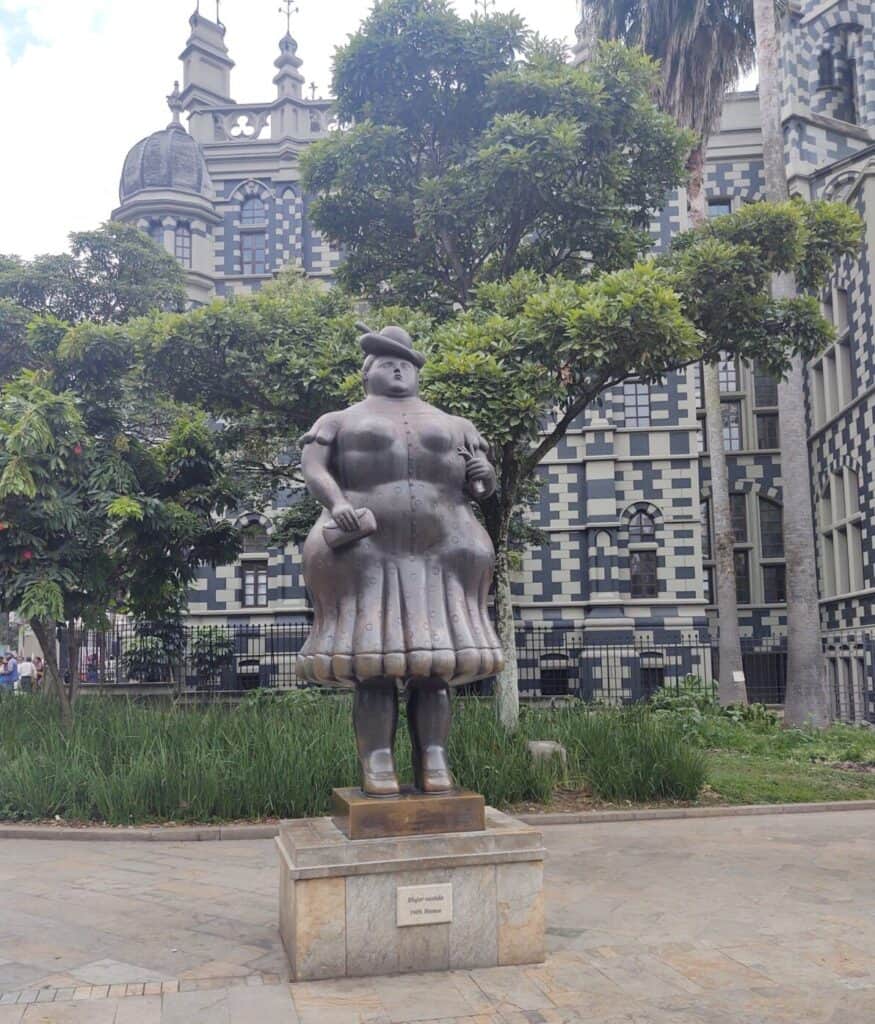

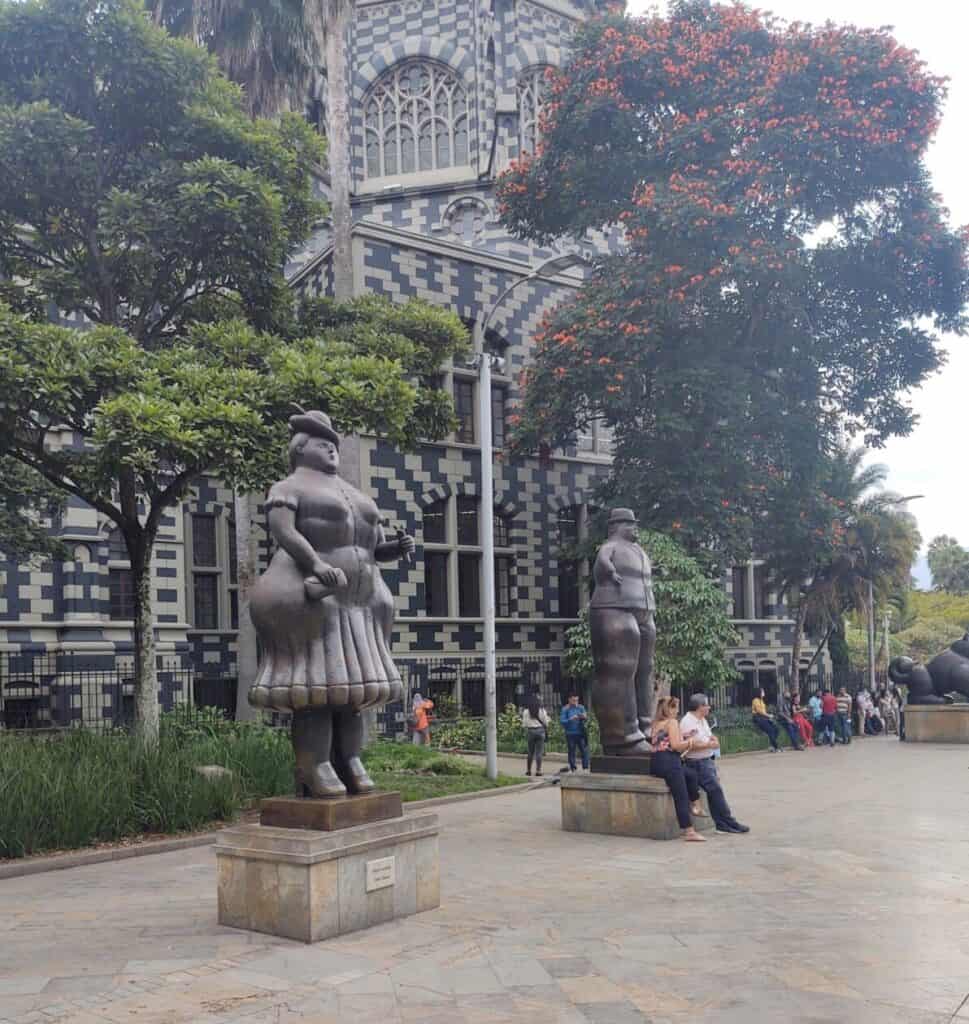
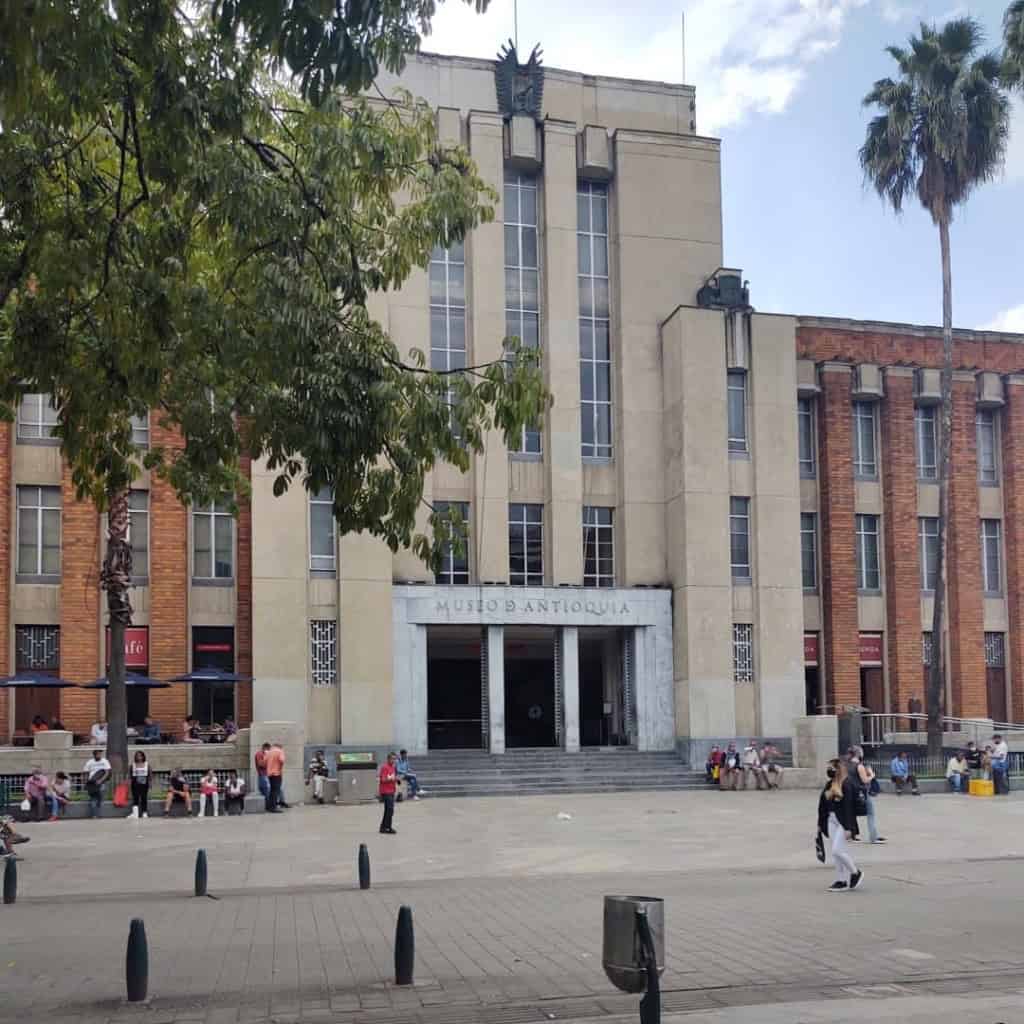
Surrounded by the striking architecture of the Rafael Uribe Uribe Palace of Culture and the Medellín Museum of Antioquia, the plaza is a cultural hub where art and history converge. While it’s a must-visit attraction, it’s best to explore during daylight hours, stay aware of your surroundings, and keep belongings secure to fully enjoy this vibrant urban space.
Next, we were on to
Comuna 13 is a powerful symbol of Medellín’s transformation from a turbulent past to a vibrant, thriving community. Once known as one of the most dangerous neighborhoods in the city, it has been revitalized into a cultural and artistic hub that now attracts visitors from around the world. Its history is marked by resilience, with residents overcoming decades of violence through community efforts, art, and innovation.
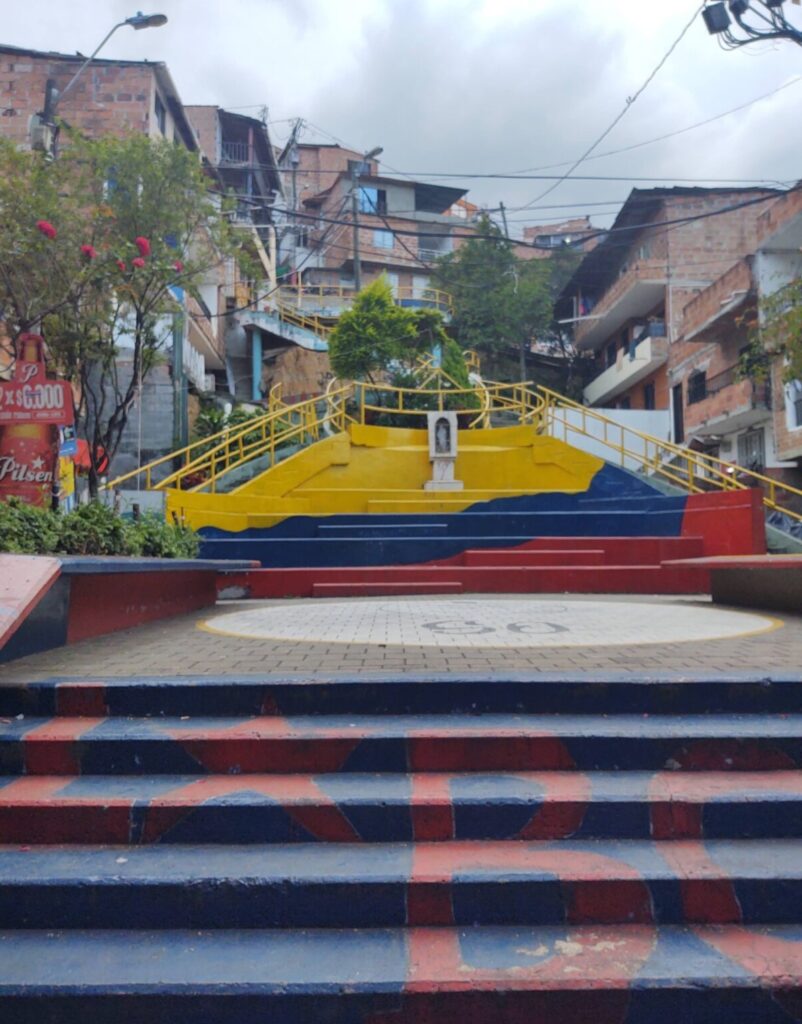
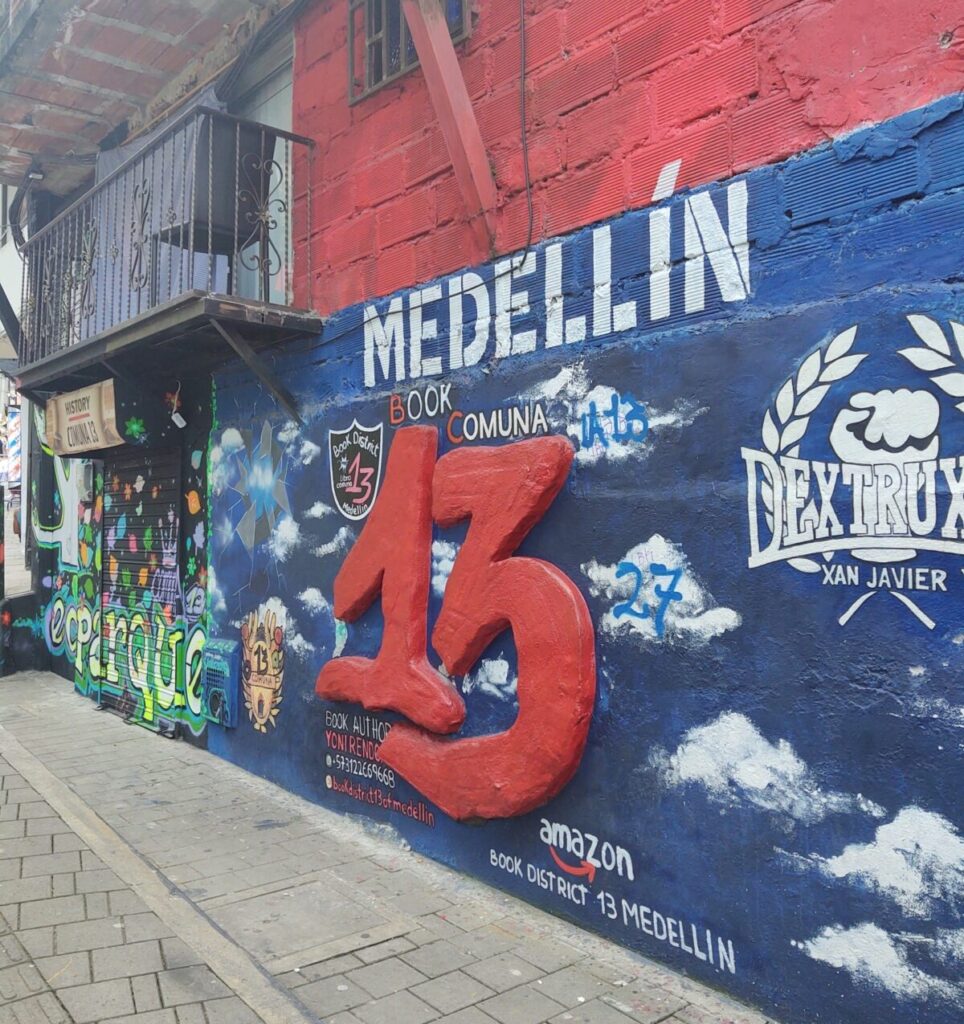
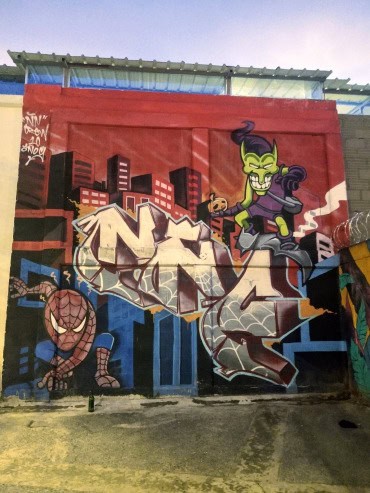
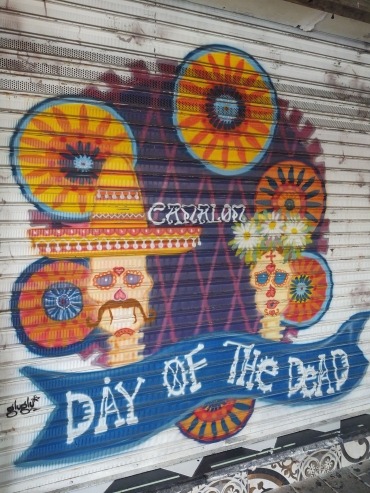
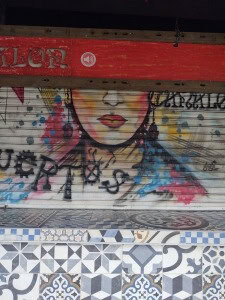
The neighborhood’s most striking feature is its colorful and thought-provoking street art. Every mural tells a story, reflecting themes of hope, resistance, and social change. Local guides, many of whom grew up in Comuna 13, offer walking tours that provide insight into the area’s history and the significance of the art pieces.
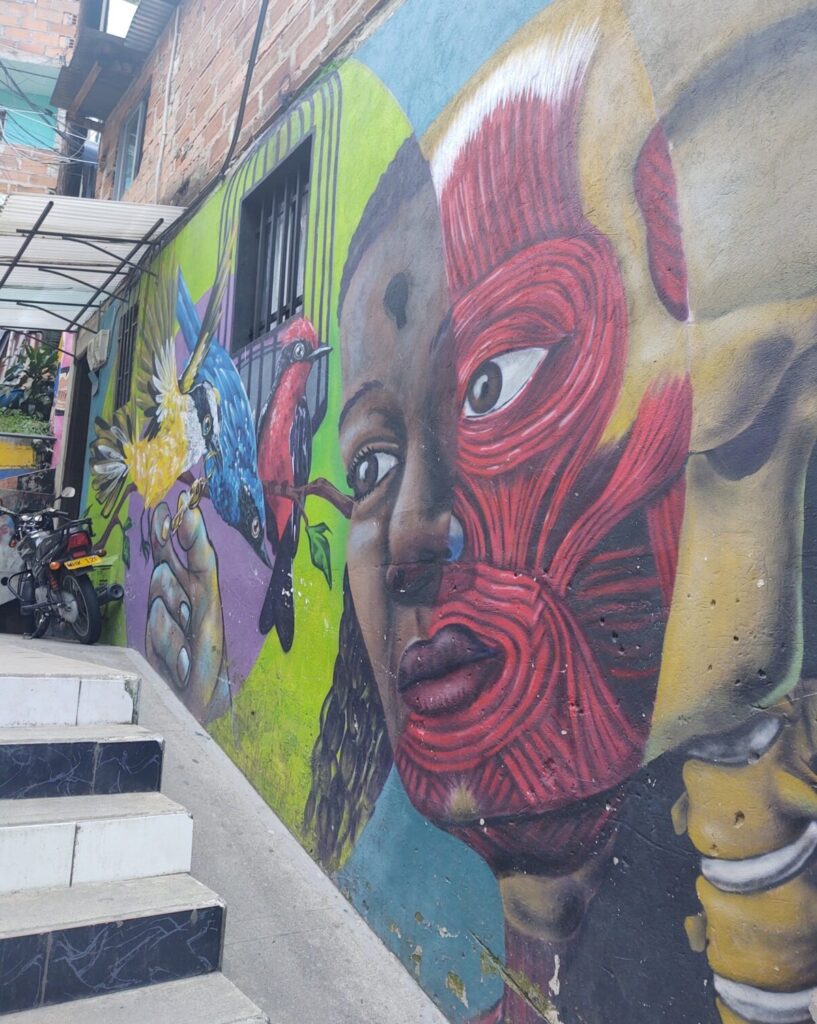

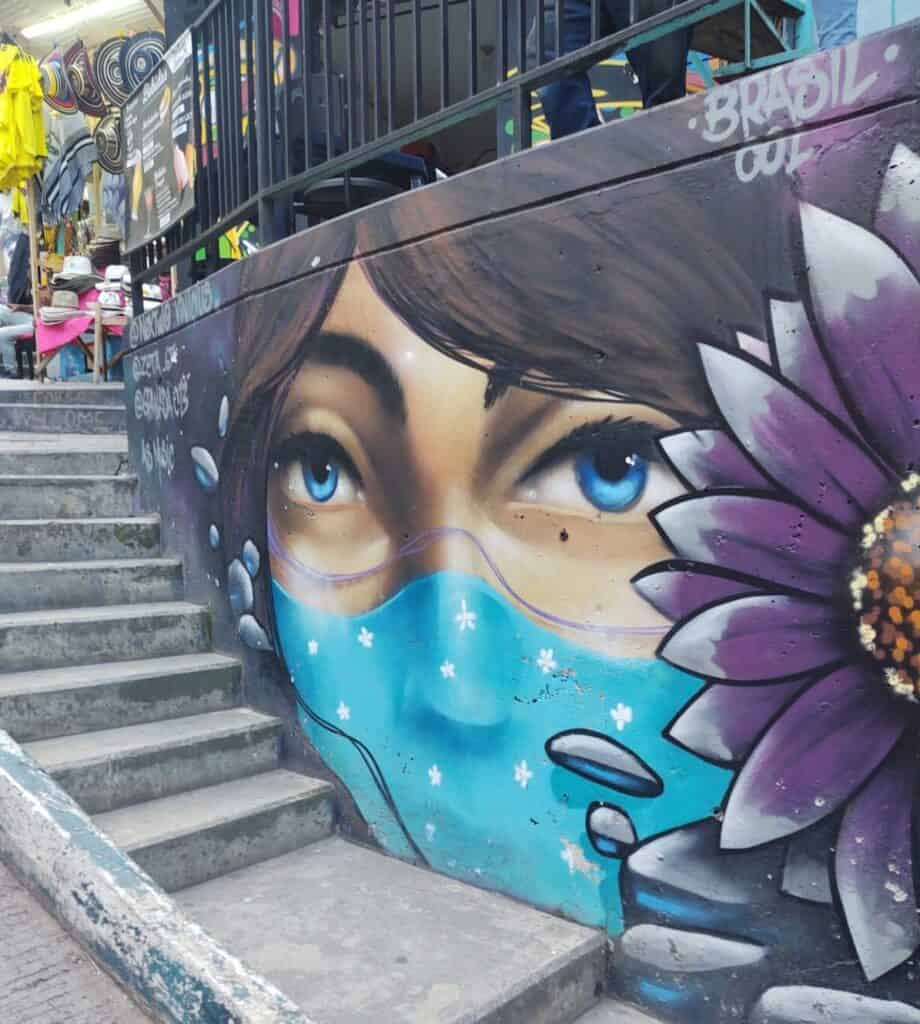
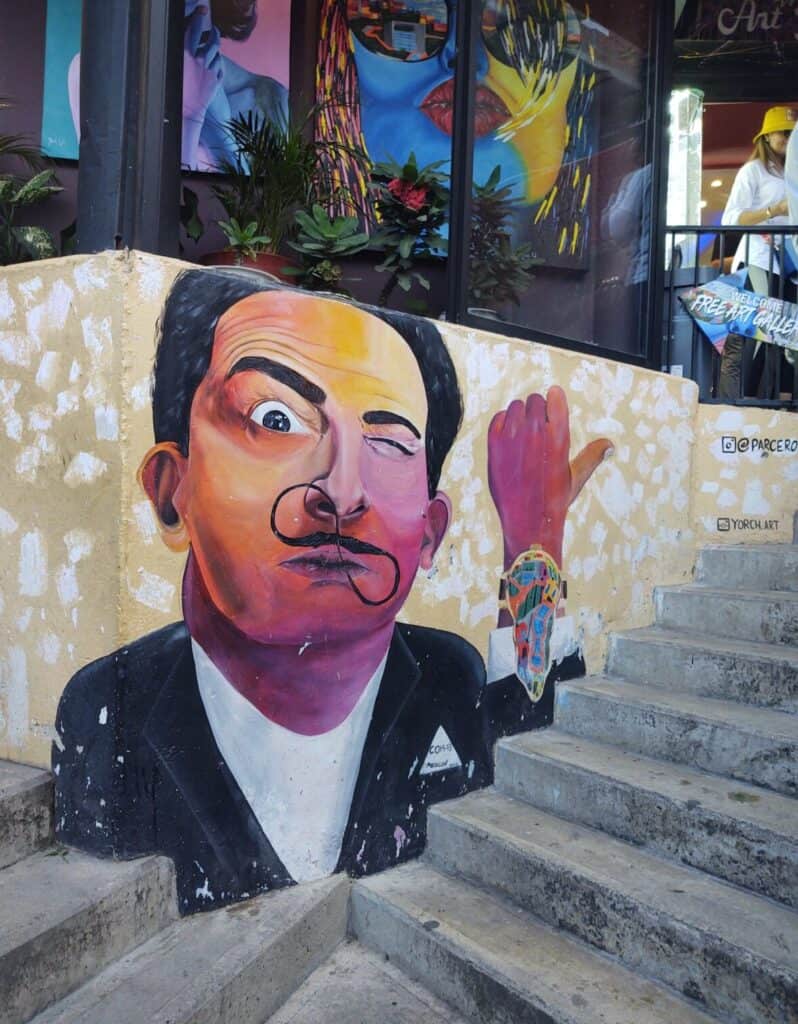
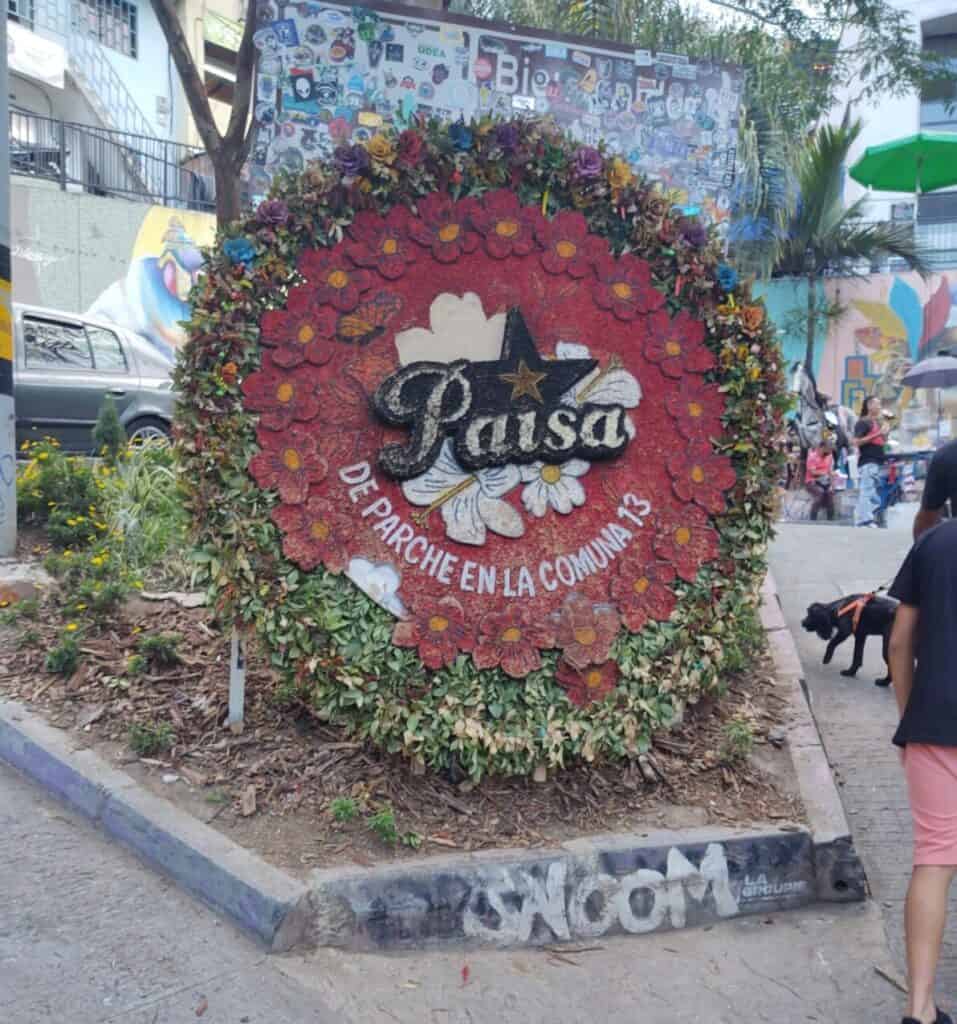
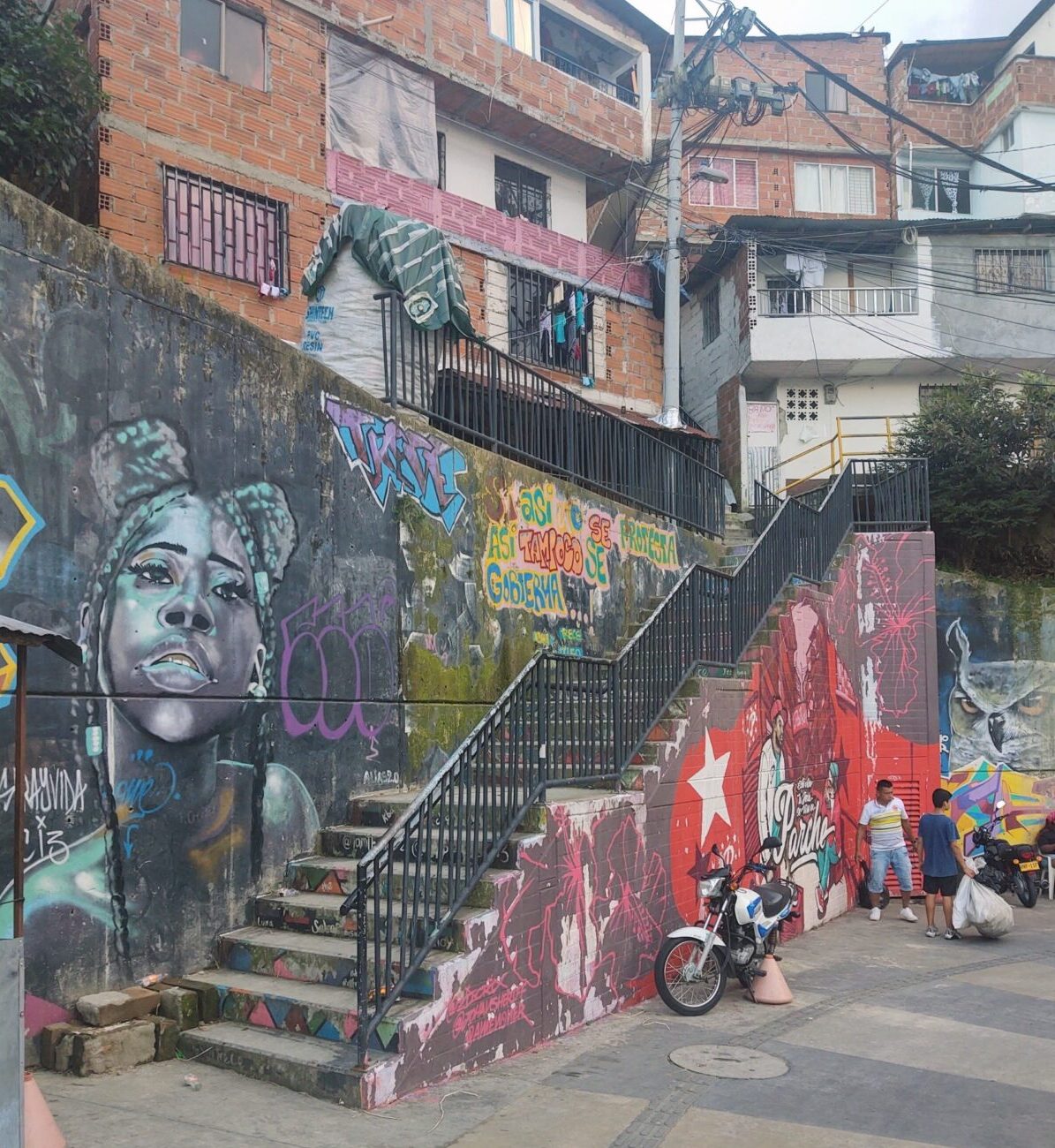
A highlight of visiting Comuna 13 is the innovative outdoor escalator system, which makes the steep hills accessible and represents the city’s investment in the community. Alongside the art, you’ll find local vendors, musicians, and performers adding energy to the streets, creating a lively atmosphere.
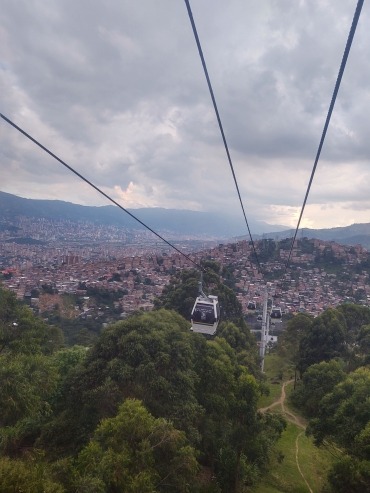
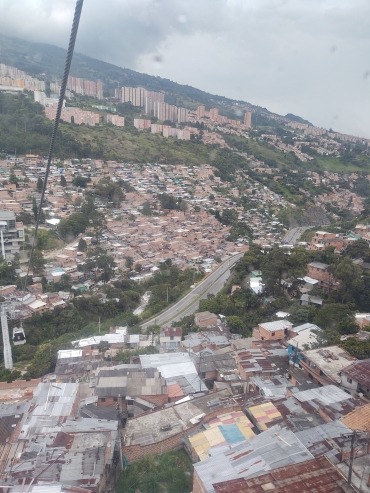
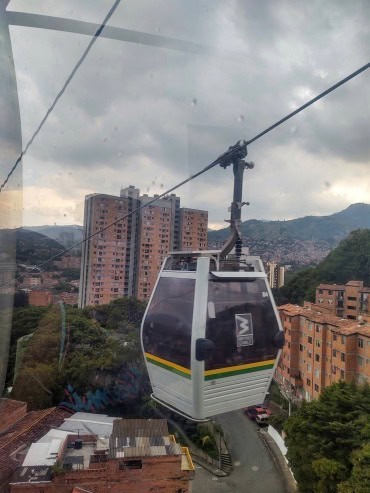
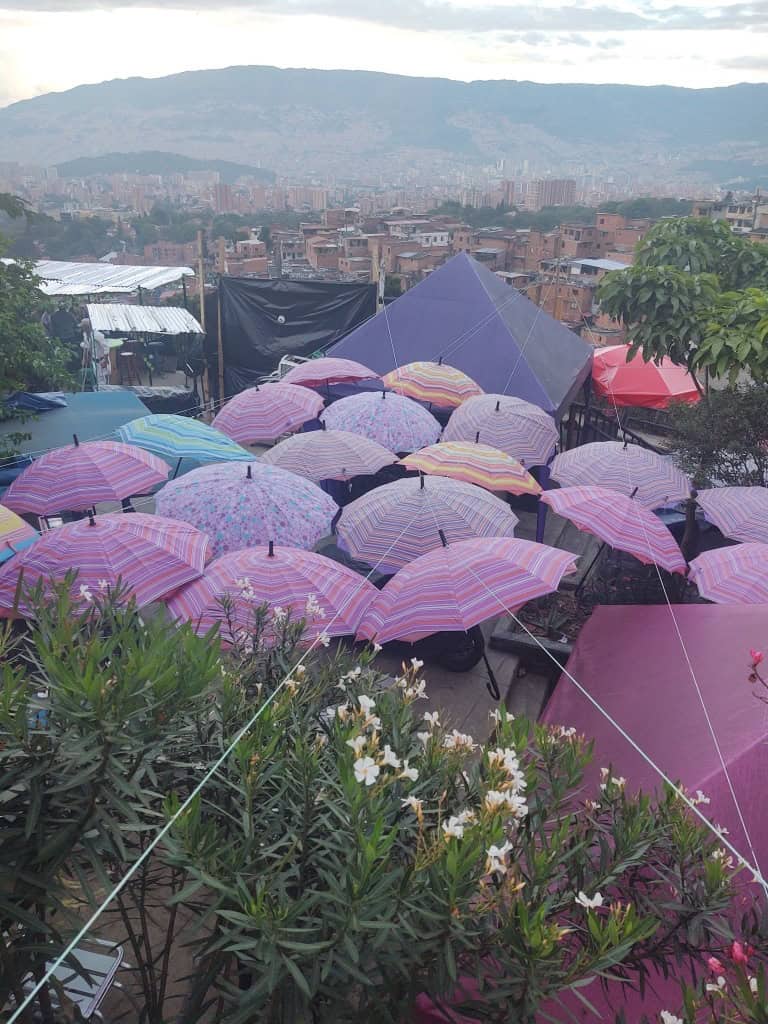
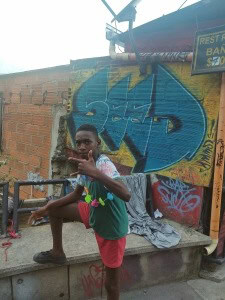
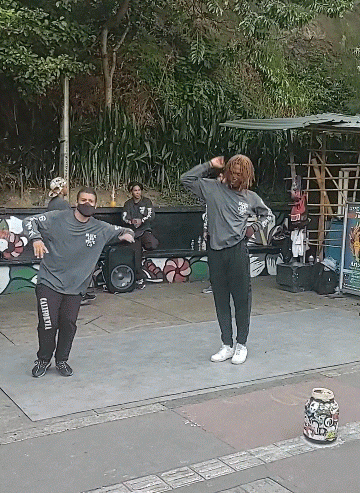
Visiting Comuna 13 is more than sightseeing—it’s an inspiring journey through a neighborhood that has risen above its challenges, offering a unique perspective on Medellín’s culture, resilience, and creativity.
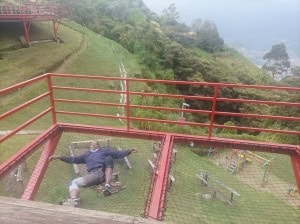
After a day of some rest and recovery, the next day I hired a driver to go for my first paragliding experience. What an experience!

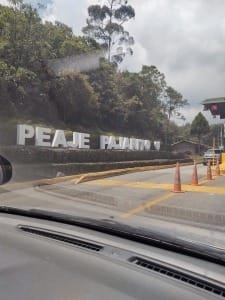
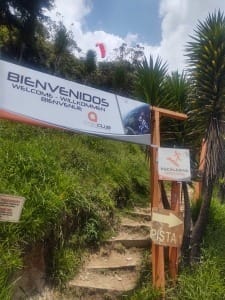
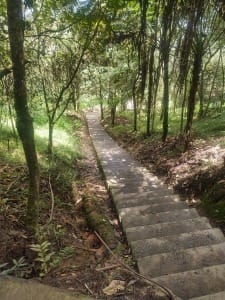
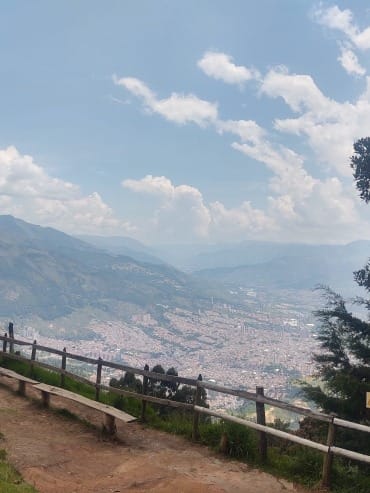

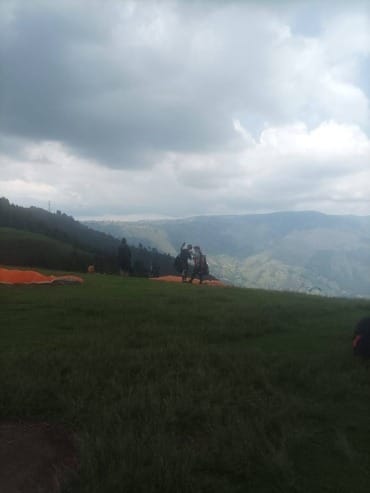
After a pretty good hike and climb up to the area, we arrived in good weather with a bit of wind. After suiting up and running ready to go, it was called off due to the winds. Well, I saved a little money and got my exercise for the week. My driver took me to a nice place for almuerza.
After this full and somewhat exhausting day, I rested up and I decided to see some other areas of Medellin before moving over to the next popular neighborhood of Laureles. It was a bit quieter than El Poblado, offering a more local experience.

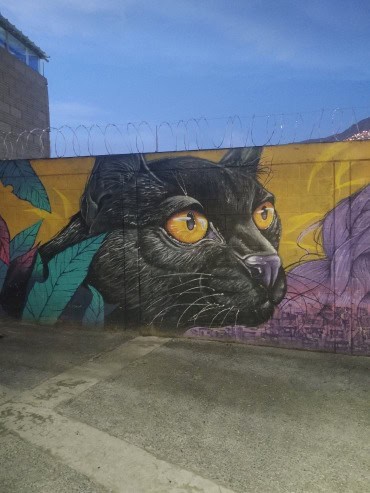
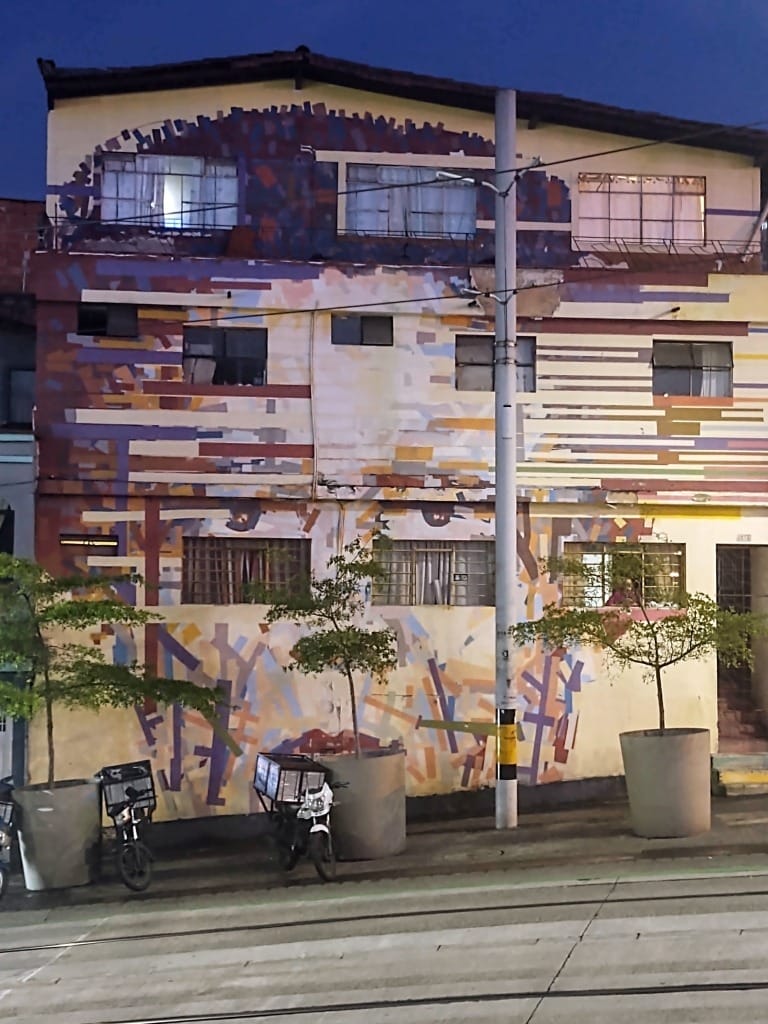
Laureles, Medellín
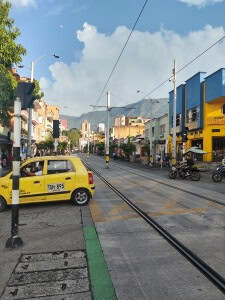
Laureles is a charming, laid-back neighborhood in Medellín that offers a more local and authentic vibe compared to the bustling energy of El Poblado. Known for its tree-lined streets, cozy cafes, and welcoming atmosphere, Laureles is a favorite among travelers looking to experience Medellín like a local. The area is home to La Setenta (70th Street), a vibrant strip filled with restaurants, bars, and live music venues, making it a hub for nightlife and social gatherings.
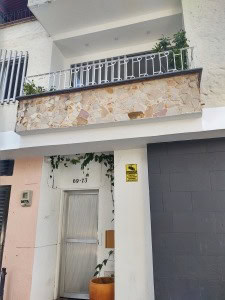
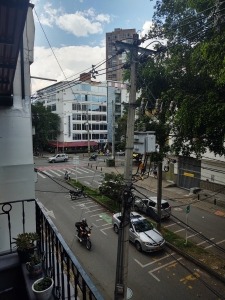
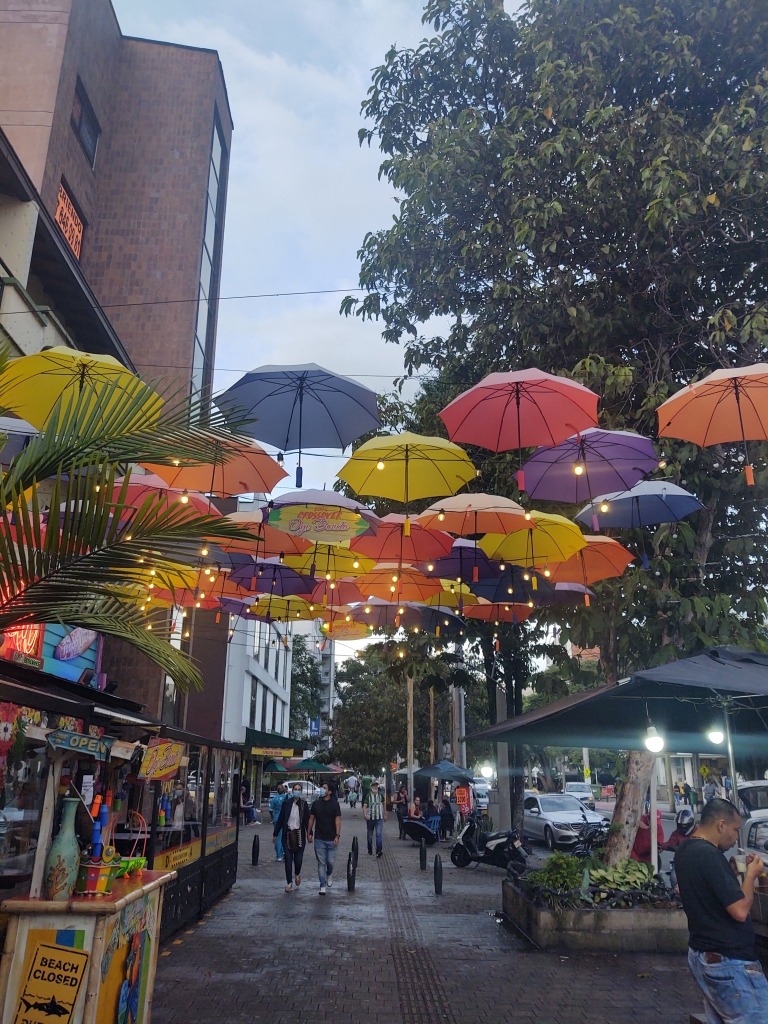
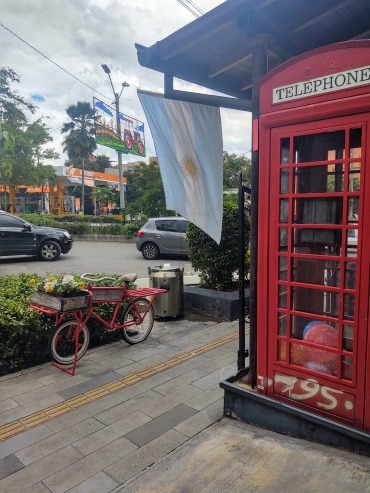
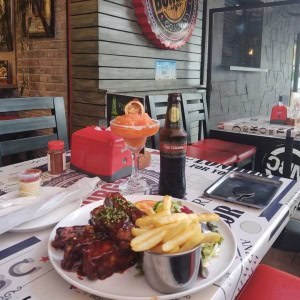
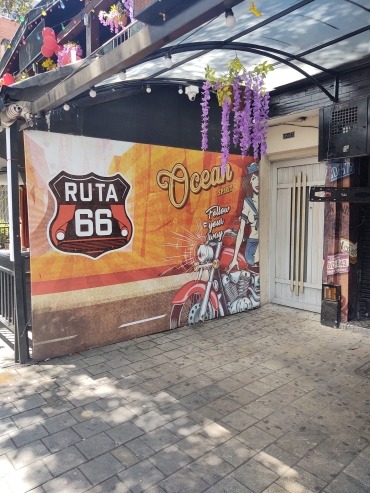
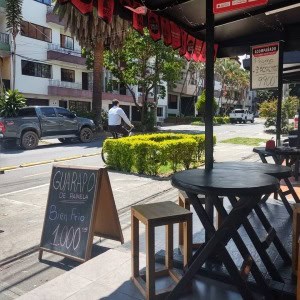
Laureles also boasts tranquil parks like Segundo Parque de Laureles, perfect for relaxing or enjoying a cup of Colombian coffee. The neighborhood’s central location and excellent access to Medellín’s metro system make it a convenient base for exploring the city. With its relaxed pace and community feel, Laureles is a wonderful blend of urban living and local culture.
Next stop Cartagena
Days 8-10: Cartagena – History and Coastal Beauty
Arrival in Cartagena
Flying into Cartagena was like stepping into a different world. The city’s tropical warmth and vibrant colors contrasted beautifully with Medellín’s mountain charm. I checked into a boutique hotel within the historic Getsemani area.
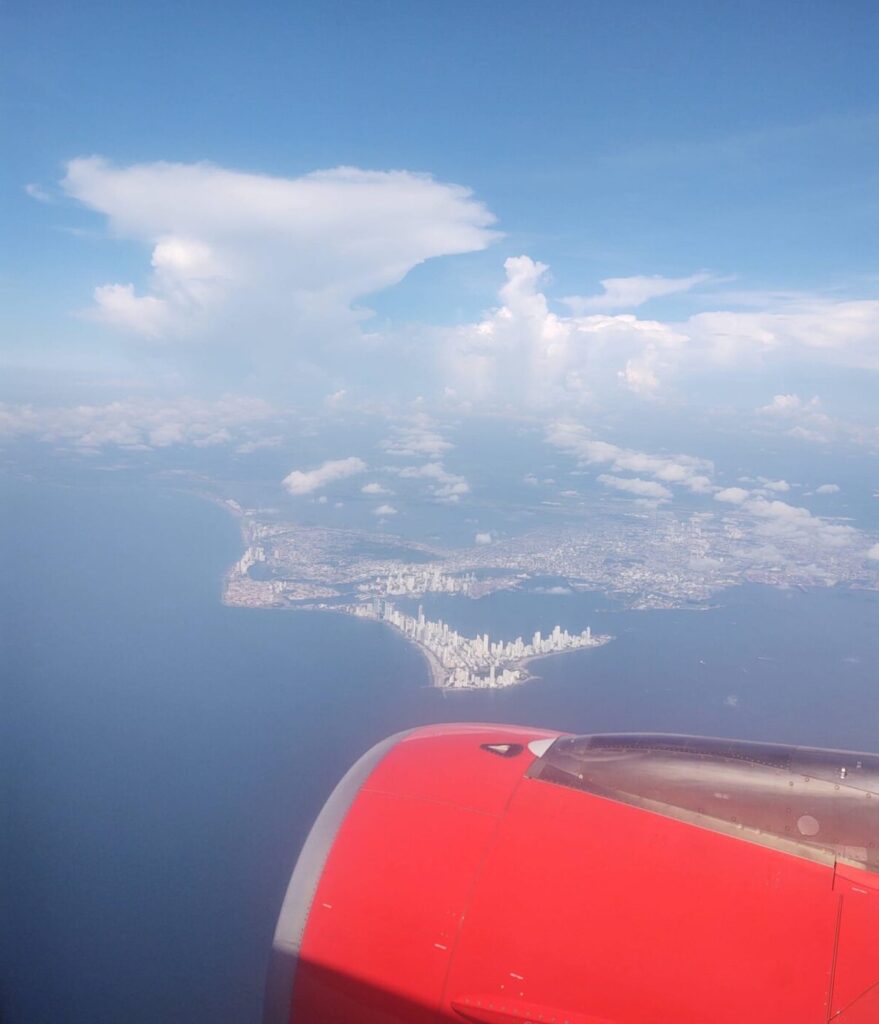
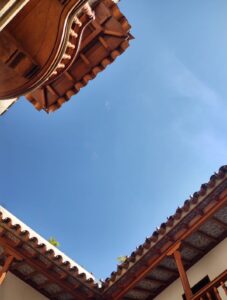
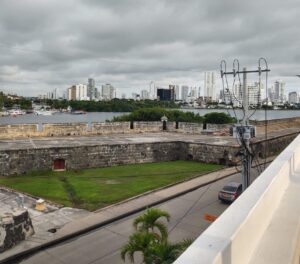
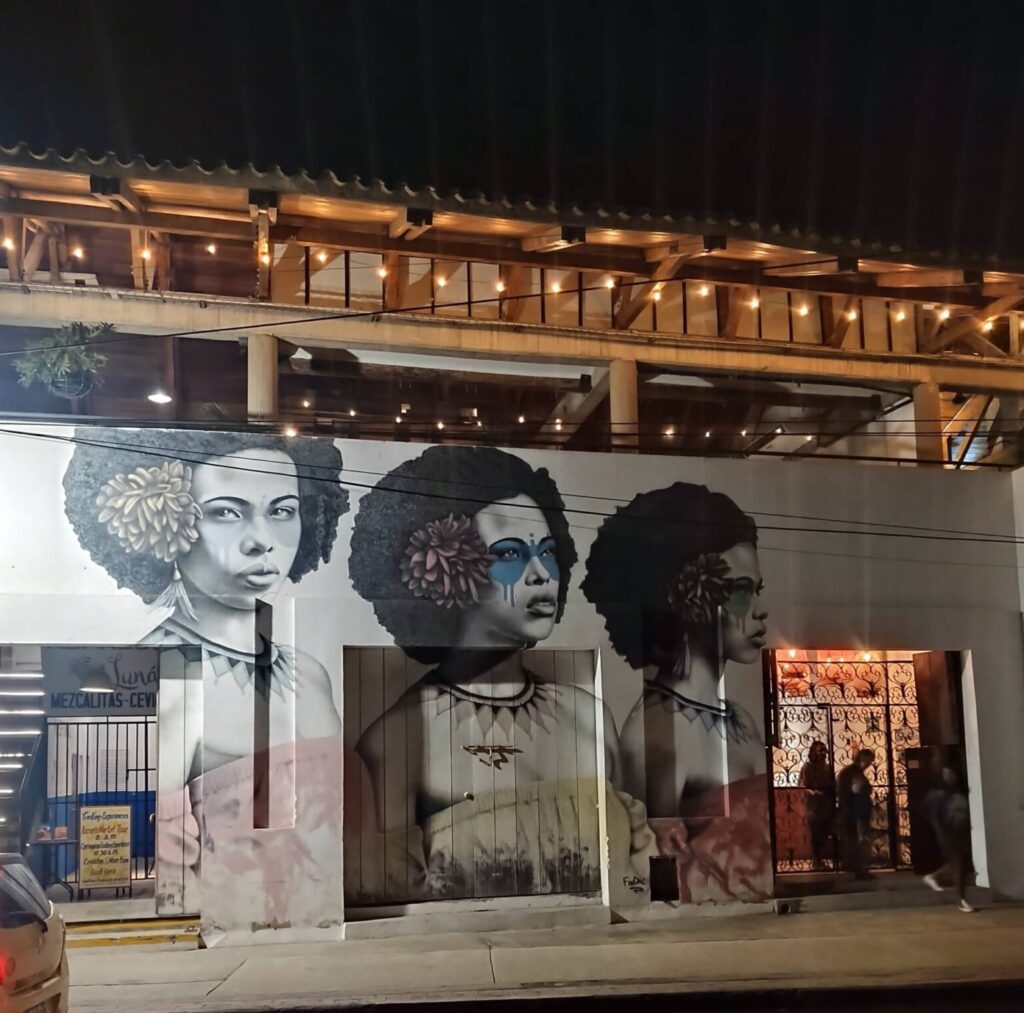
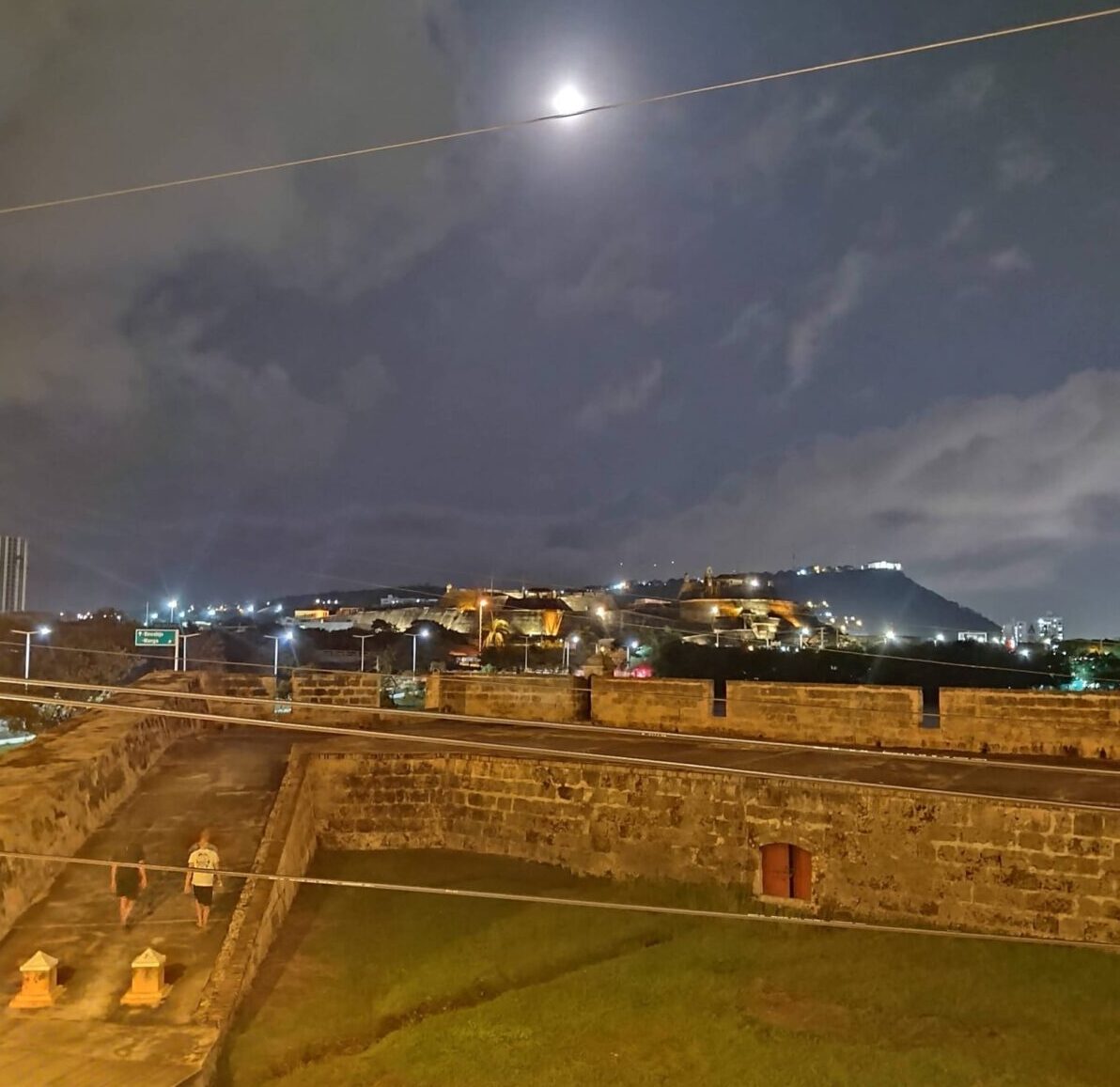
I only scheduled myself for three days here, for some odd reason, as there was plenty to do. After checking in I immediately headed out the walk the streets and check out the cool artwork and murals that decorate the city. Cartagena is a stunning coastal city that blends rich history, vibrant culture, and Caribbean charm.
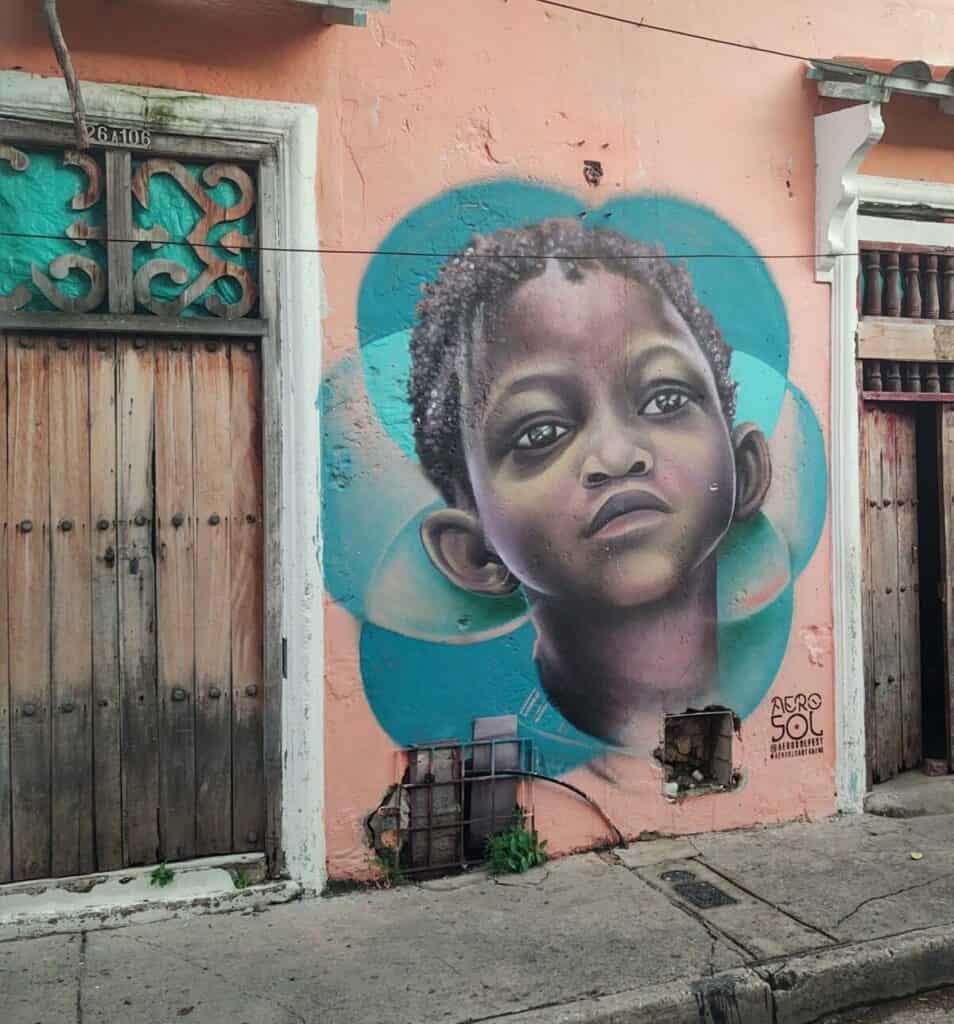
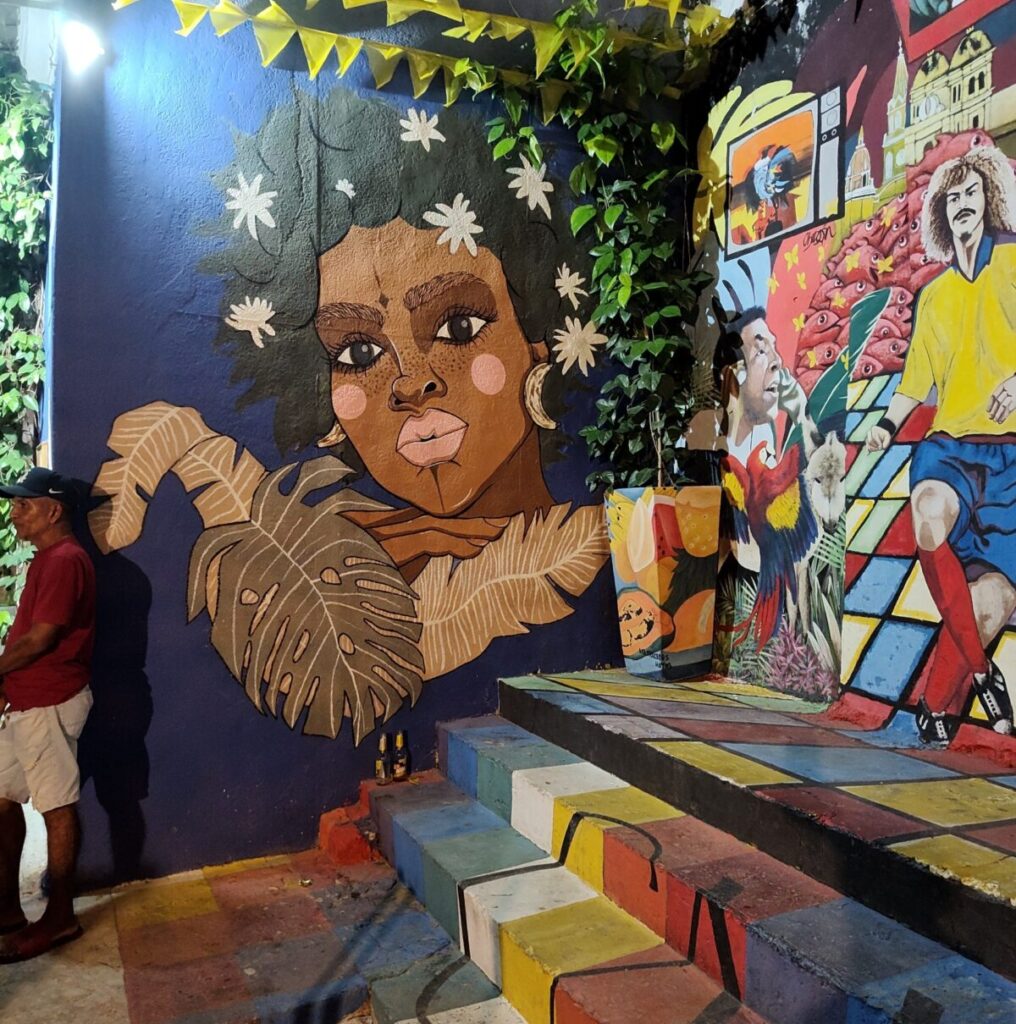
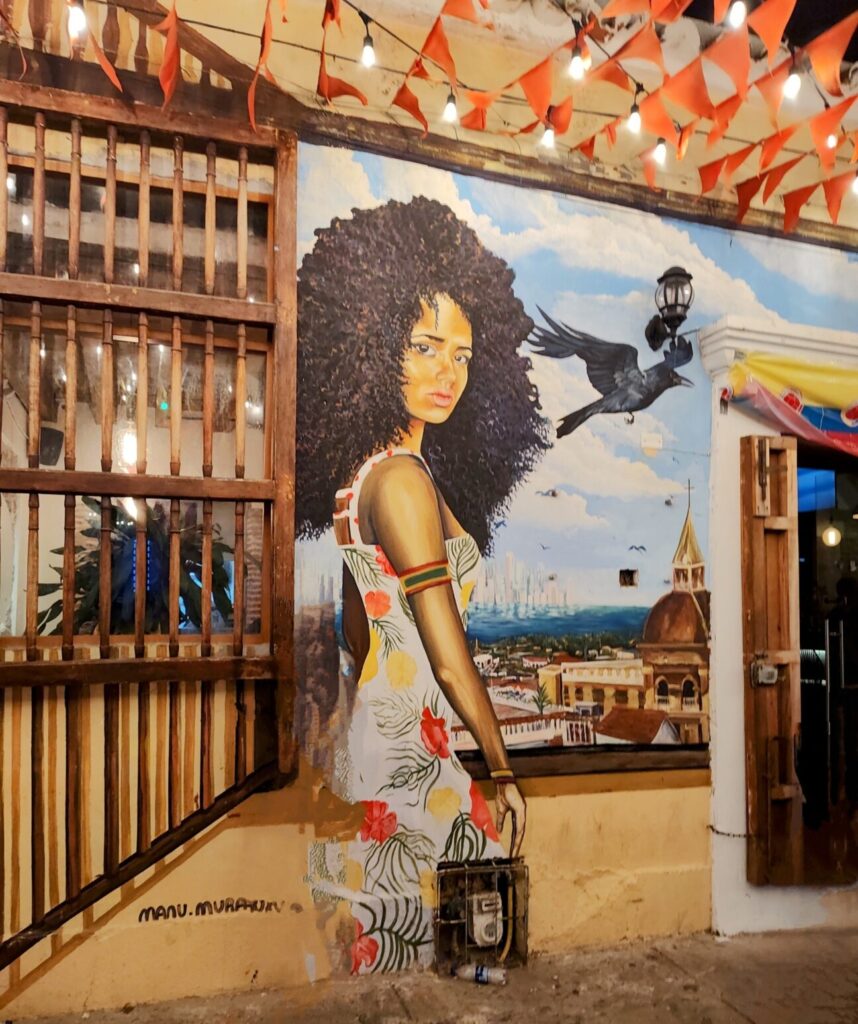
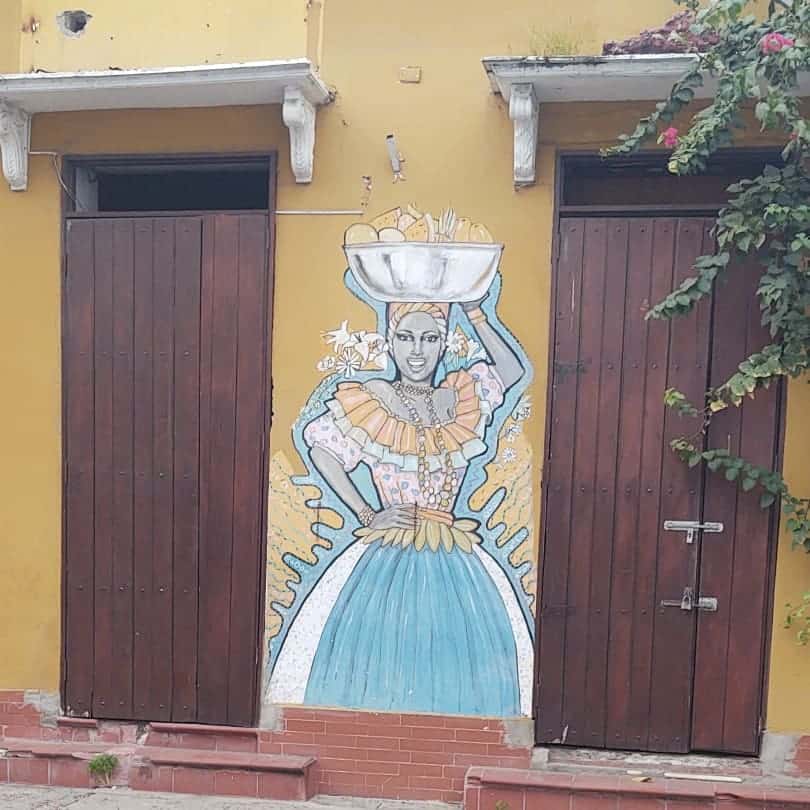
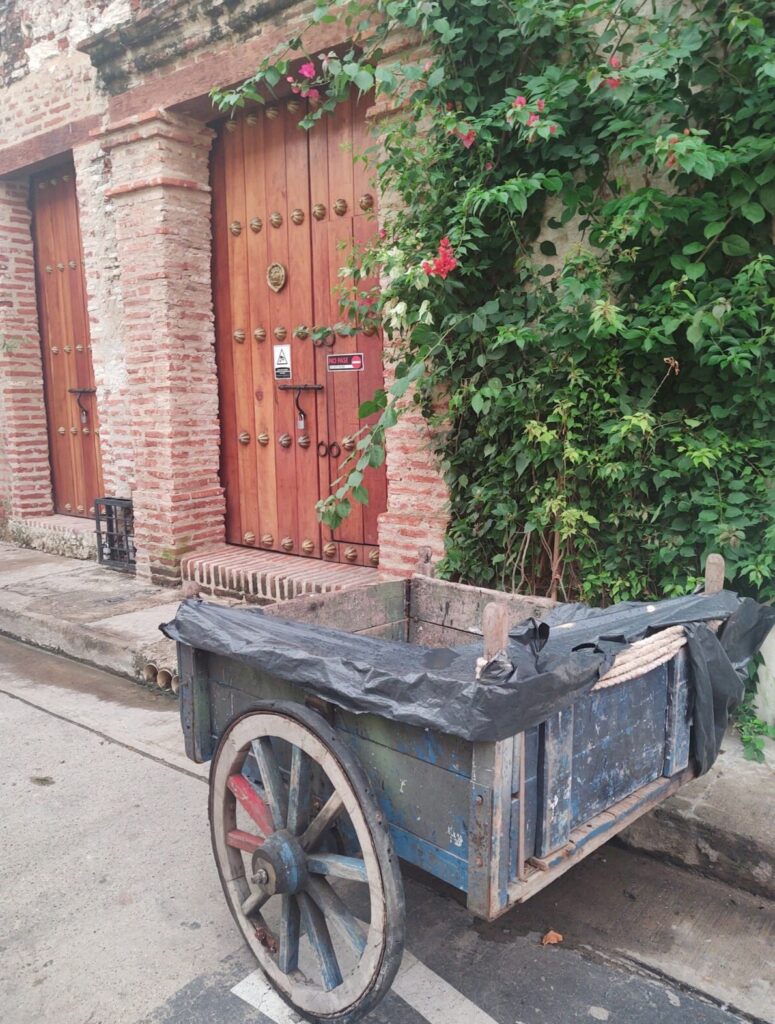
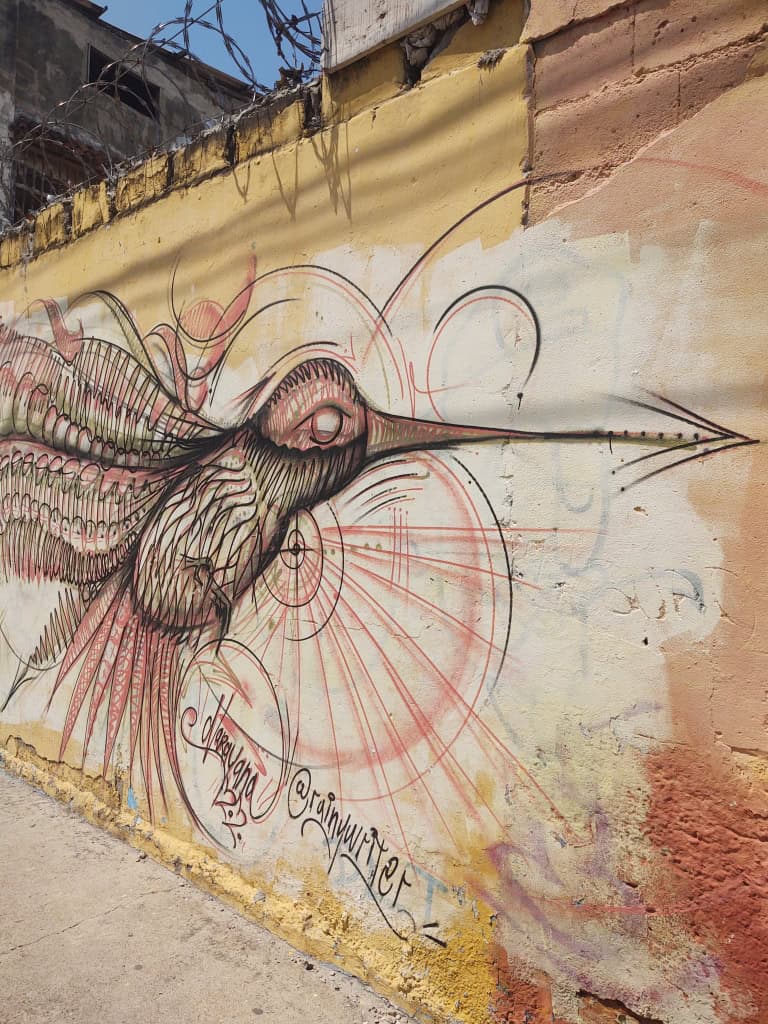
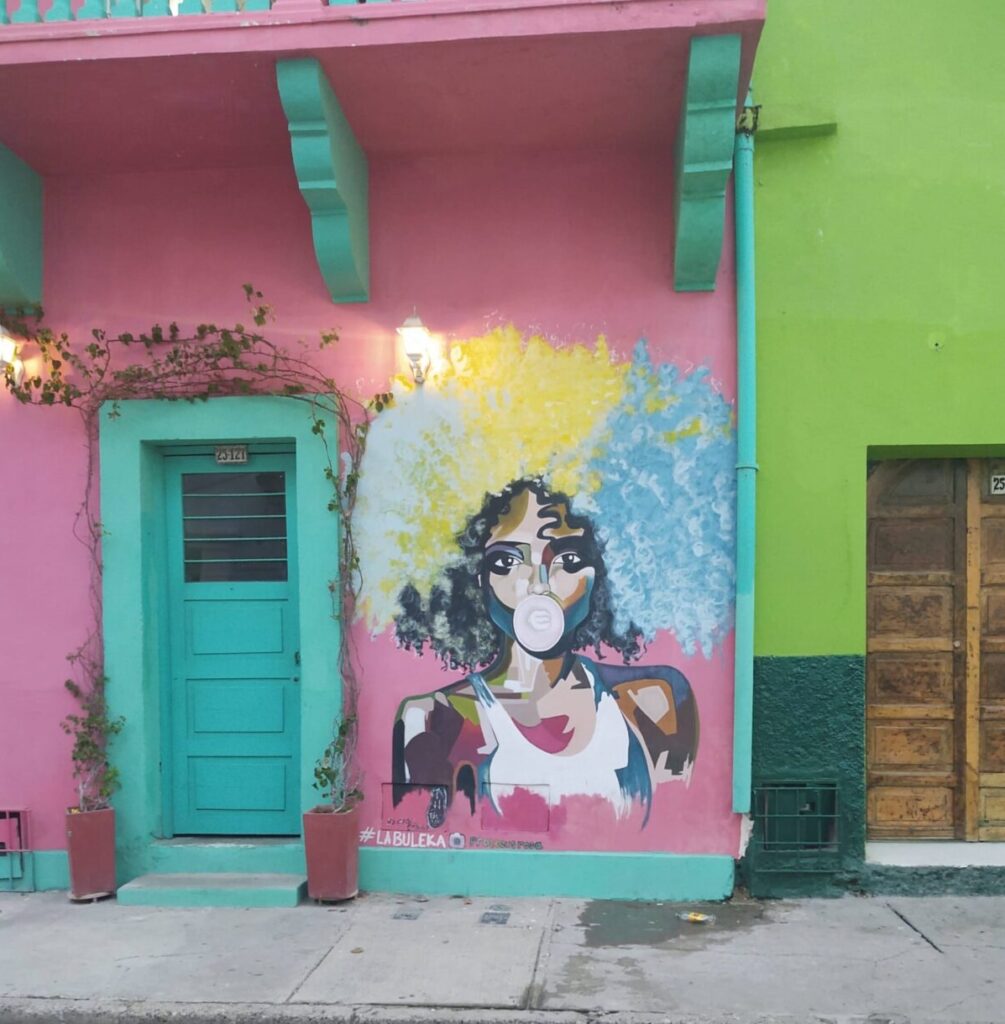
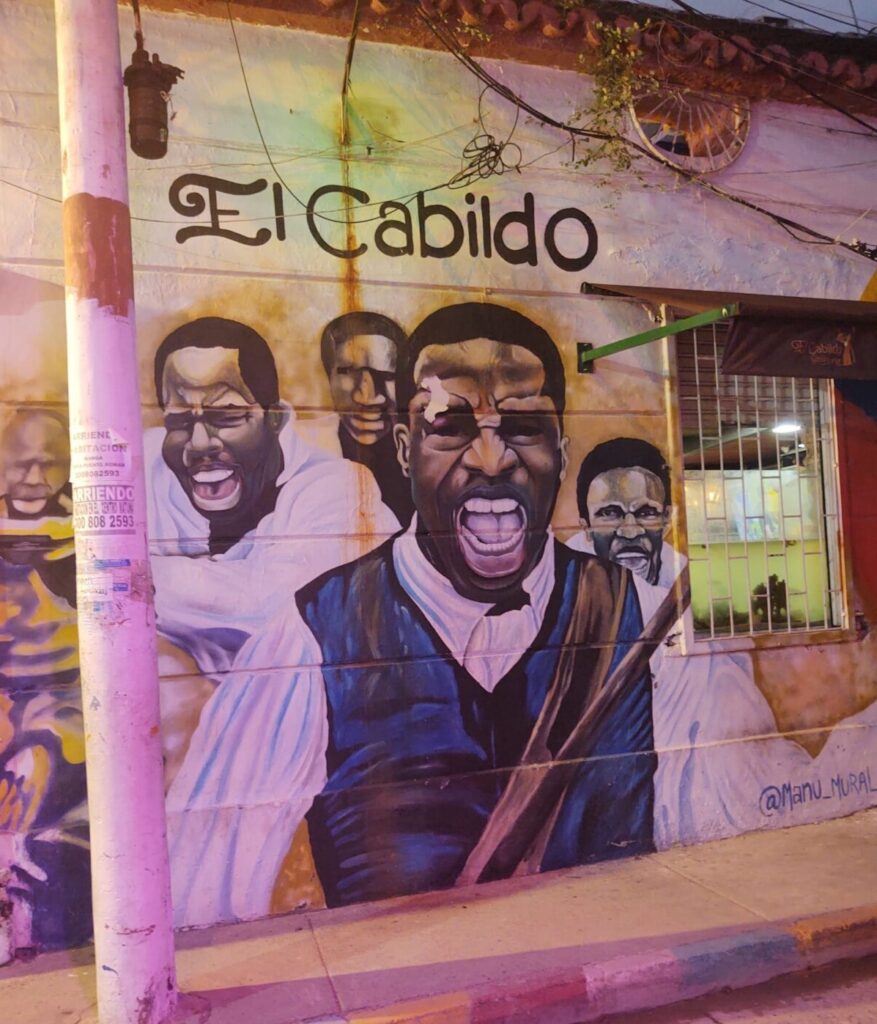
Known as the “Heroic City,” it boasts a beautifully preserved walled city, a UNESCO World Heritage Site, filled with cobblestone streets, colonial architecture, and colorful facades. Its historic plazas, such as Plaza Santo Domingo and Plaza de los Coches, are alive with street performers, local vendors, and inviting cafes.
Beyond the old city walls, Cartagena offers picturesque beaches and lively neighborhoods like Getsemaní, known for its bohemian vibe and striking street art. The city is also a culinary gem, with fresh seafood, tropical fruits, and innovative fusion cuisine. Whether you’re exploring historic landmarks like Castillo San Felipe de Barajas, strolling along the waterfront, or watching the sunset at Café del Mar, Cartagena is a vibrant and unforgettable destination that captures the spirit of the Caribbean.
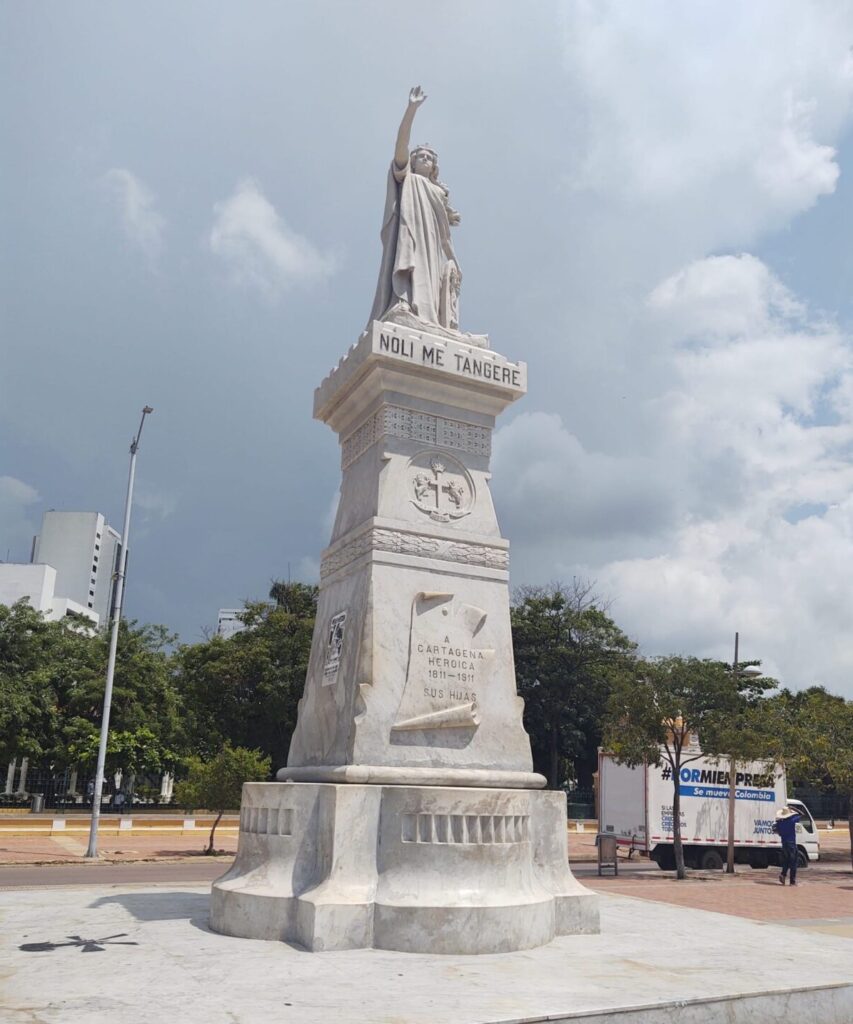
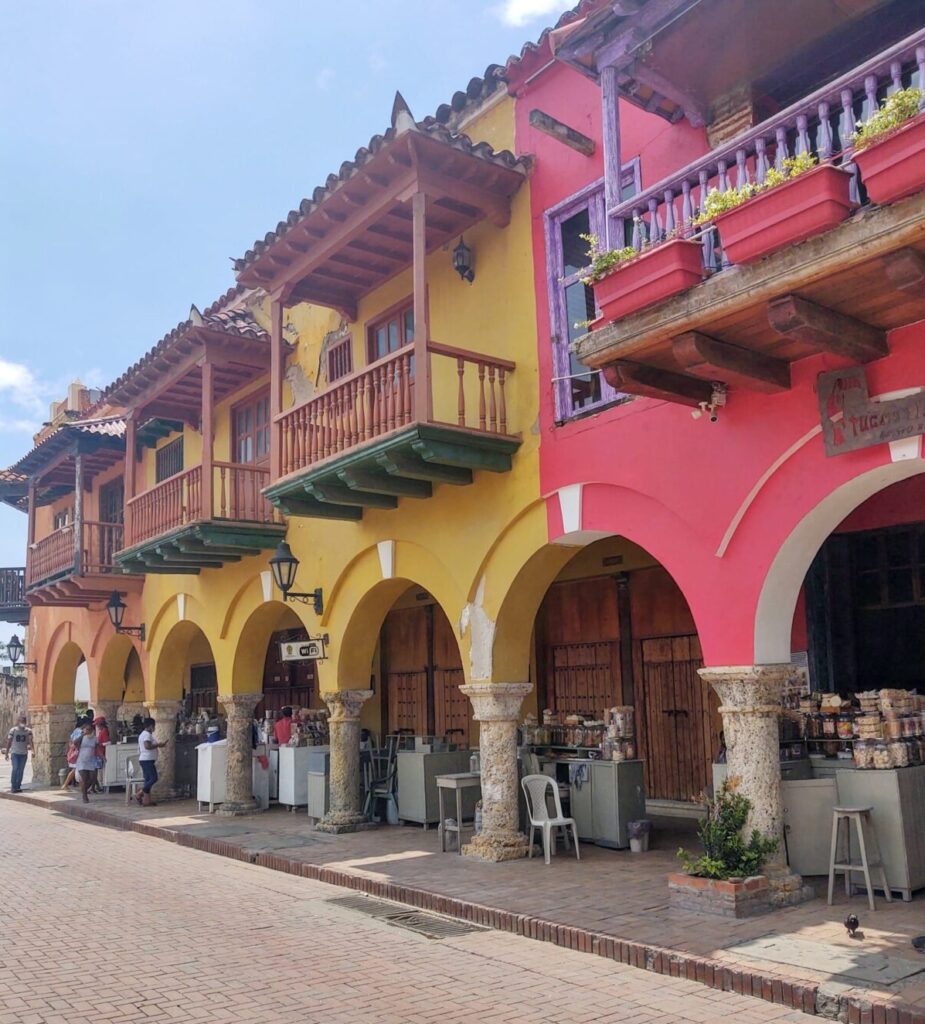
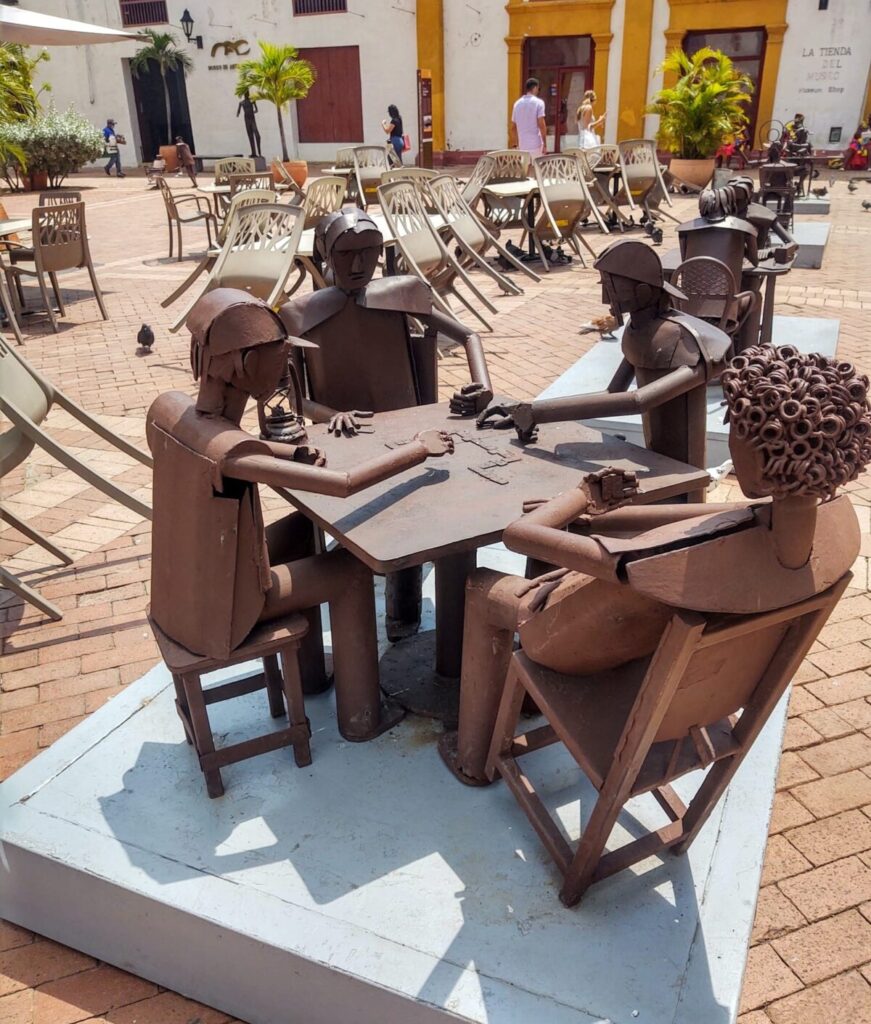
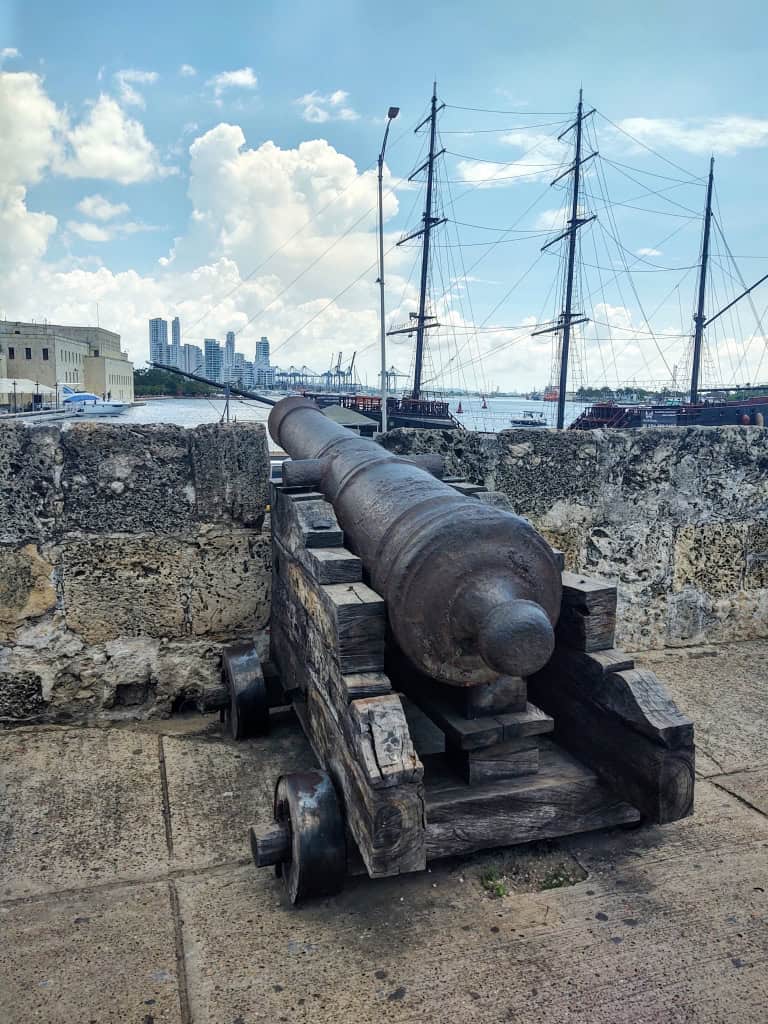
Exploring the Walled City
The walled city of Cartagena is a UNESCO World Heritage Site brimming with colonial architecture and cobblestone streets.
- Plaza Santo Domingo: This lively square is perfect for people-watching and enjoying street performances.
- Cathedral of Cartagena: I marveled at the stunning façade and rich history of this iconic landmark.
- Shopping: Local shops offered beautiful handcrafted jewelry and textiles, perfect for souvenirs.
Day Trip to Palenque
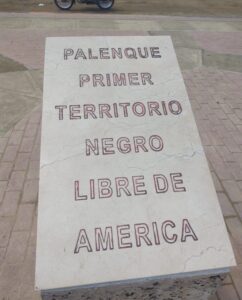
One of the highlights of my Cartagena visit was a day trip to Palenque, the first free African town in the Americas. The town’s rich history and vibrant culture were palpable during my visit.
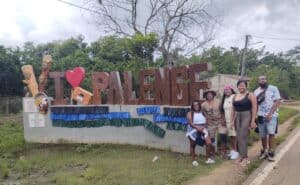
Palenque, Cartagena
Palenque de San Basilio, located just outside Cartagena, is a town with profound historical and cultural significance. Known as the first free African town in the Americas, Palenque was established by escaped enslaved people in the 17th century as a safe haven from colonial oppression. Today, it stands as a UNESCO-recognized site, celebrating the resilience and heritage of its Afro-Colombian roots.
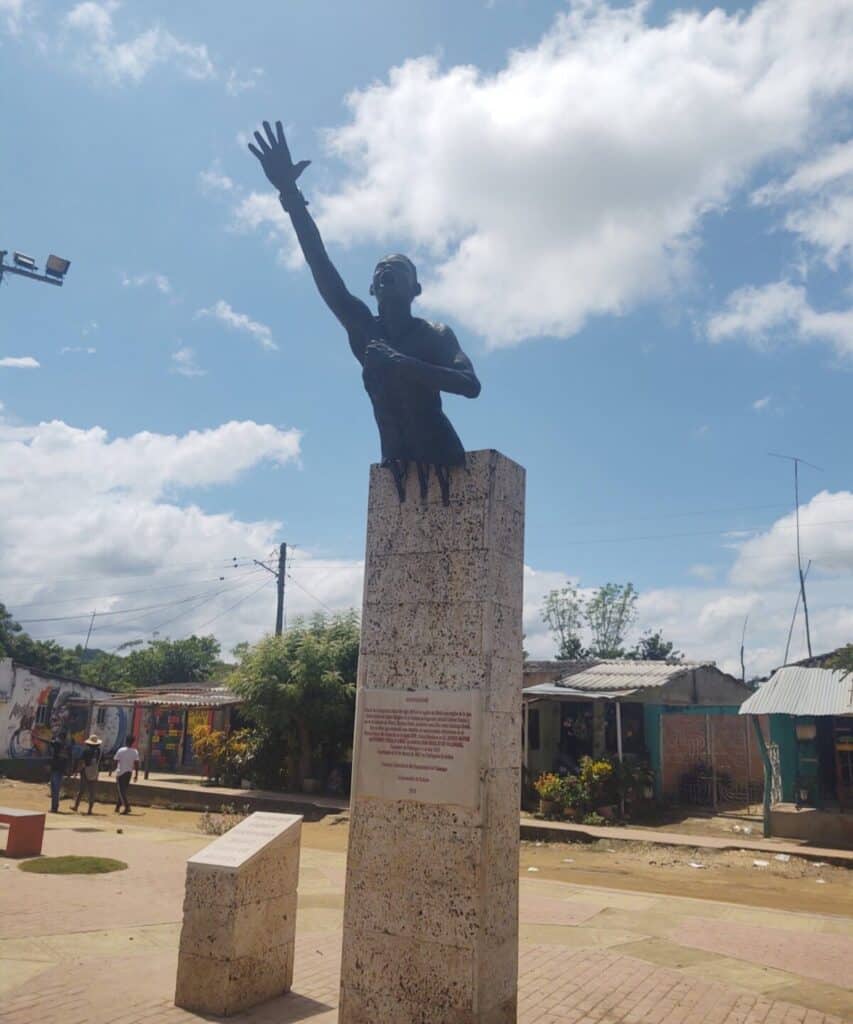
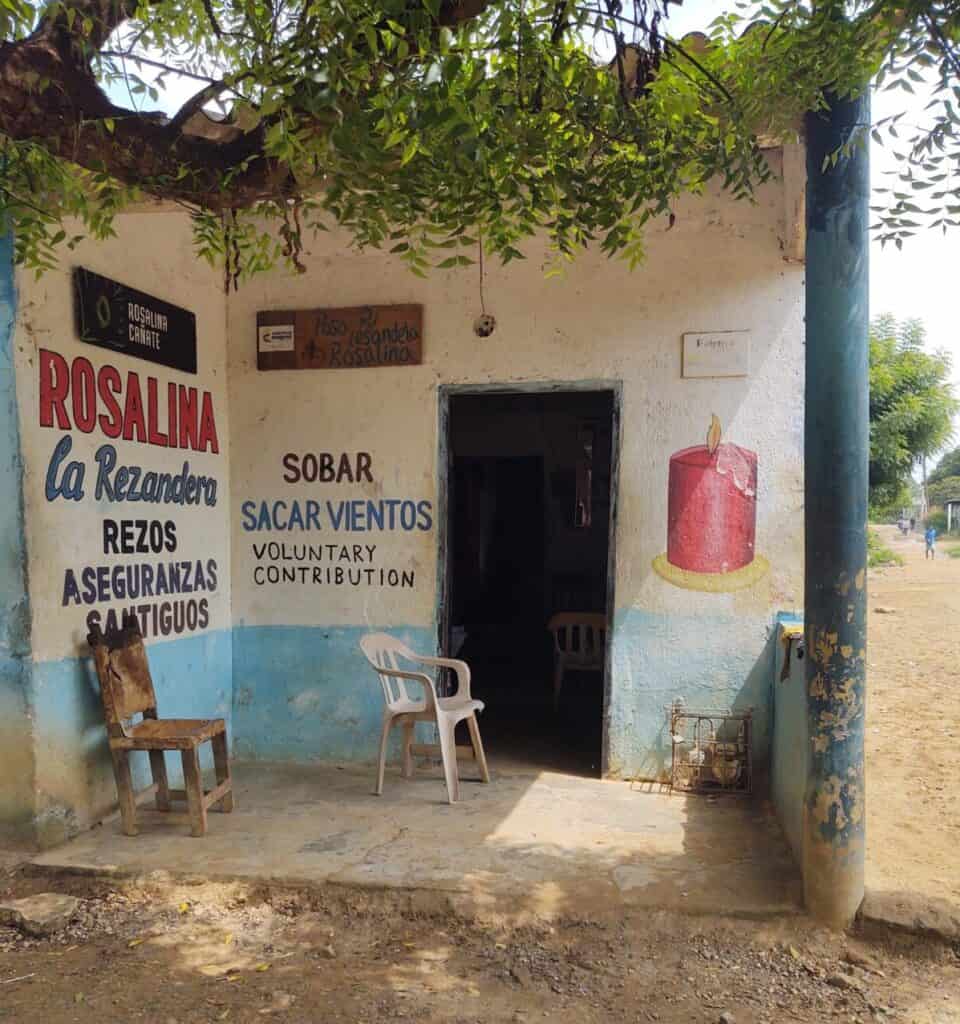
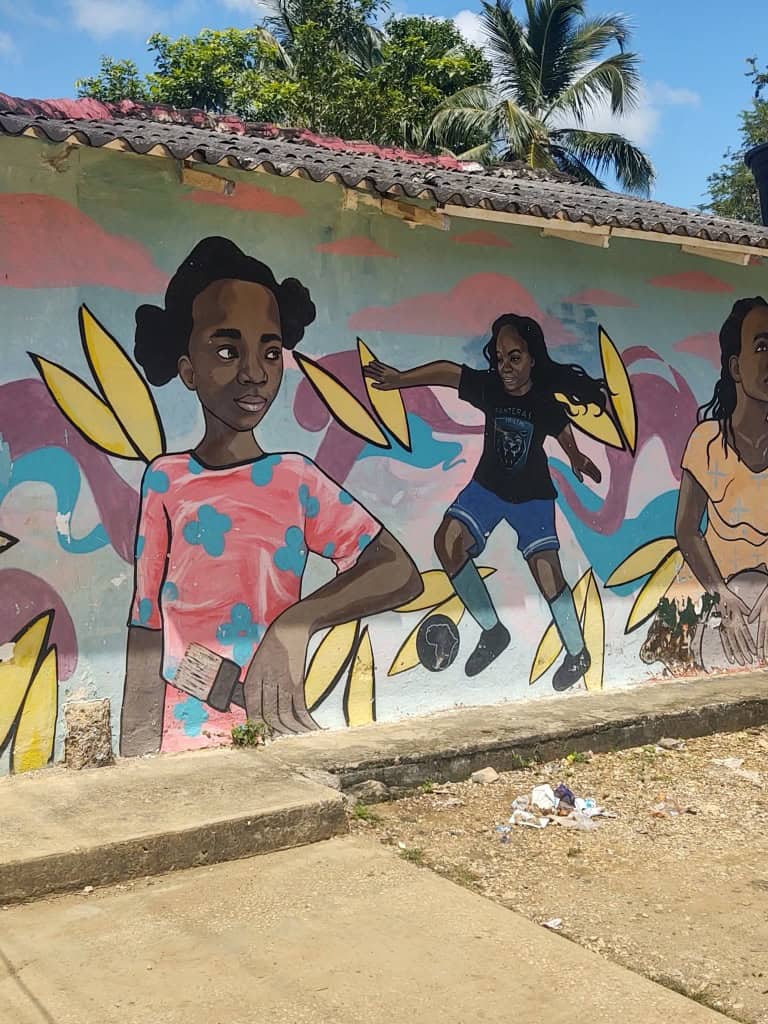
Walking through Palenque, visitors are immersed in vibrant traditions, from the rhythms of traditional music like champeta and palenquera drumming to colorful murals depicting its rich history. The community is renowned for its oral traditions, including storytelling and language preservation, with Palenquero—a Creole language spoken exclusively here—being a unique testament to its cultural legacy.
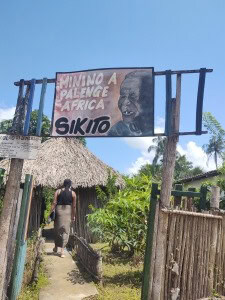
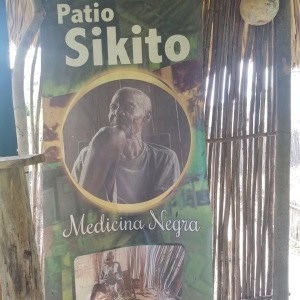
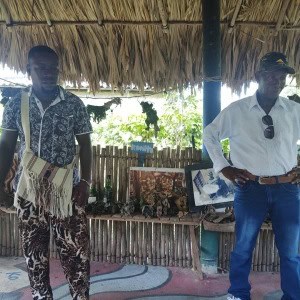
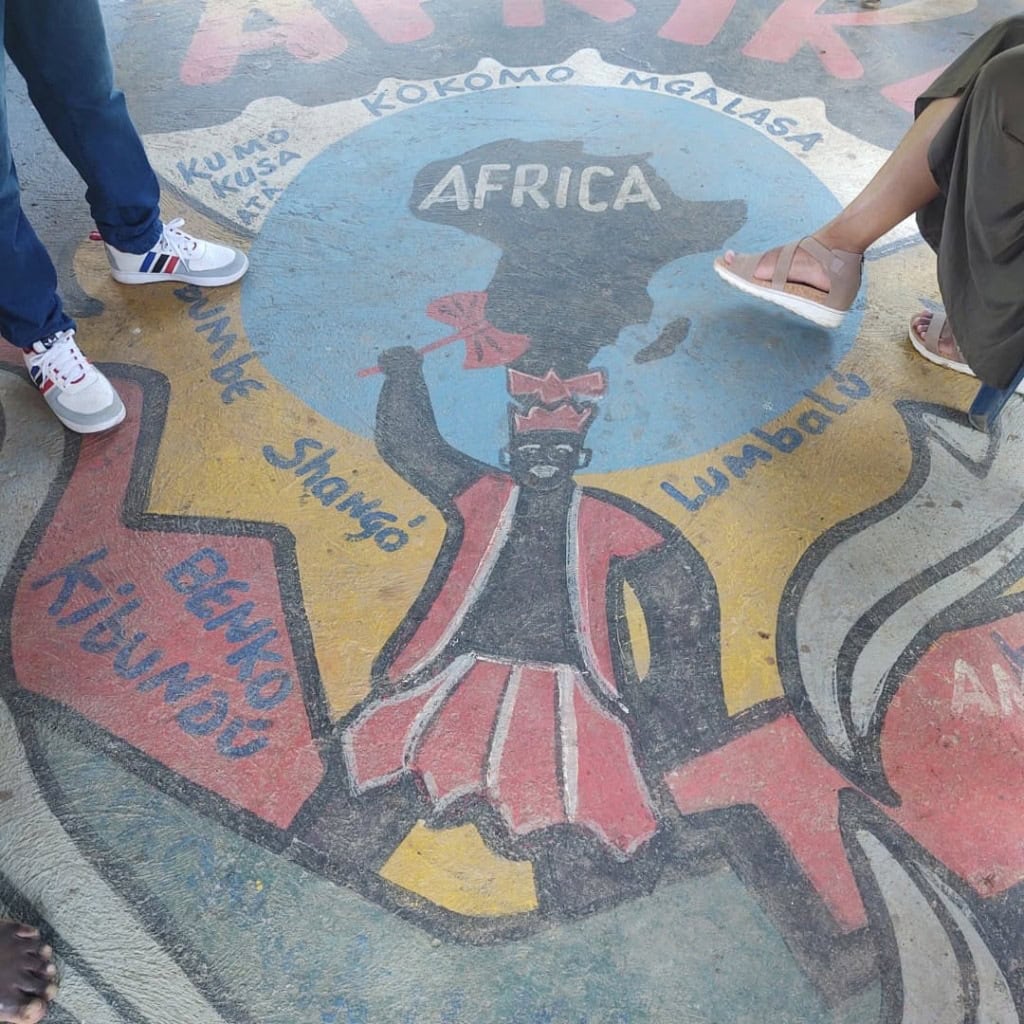
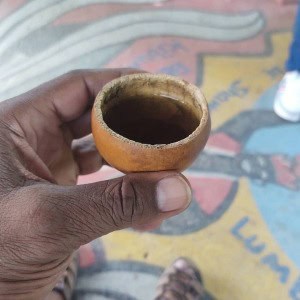
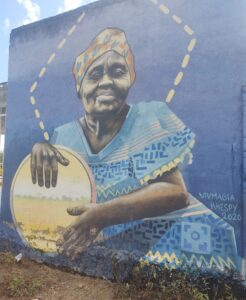
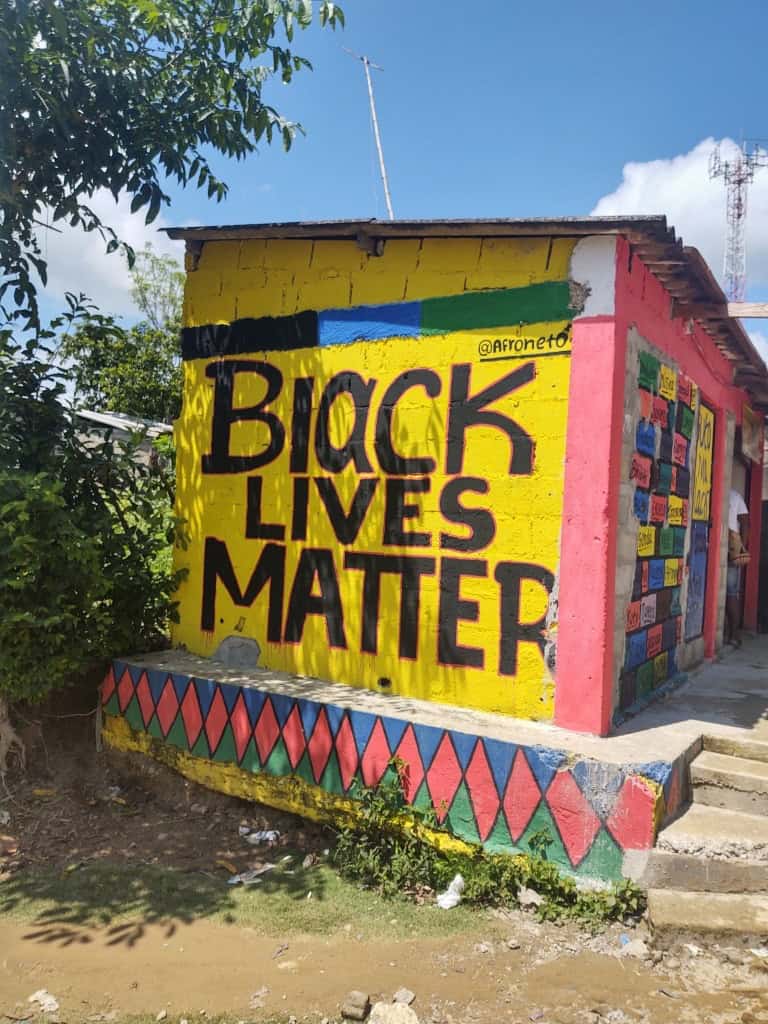
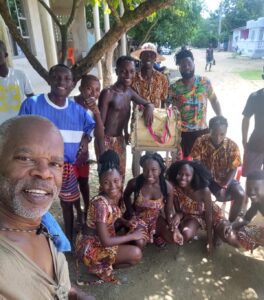
Visitors can enjoy guided tours, participate in dance workshops, and savor authentic Palenquero cuisine, such as fried fish, coconut rice, and plantains. Palenque is more than a historical landmark; it’s a living, breathing embodiment of African heritage in Colombia, offering travelers a meaningful and enriching cultural experience.
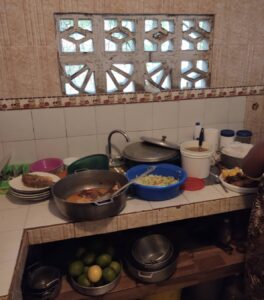
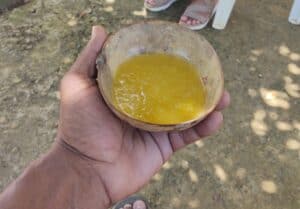
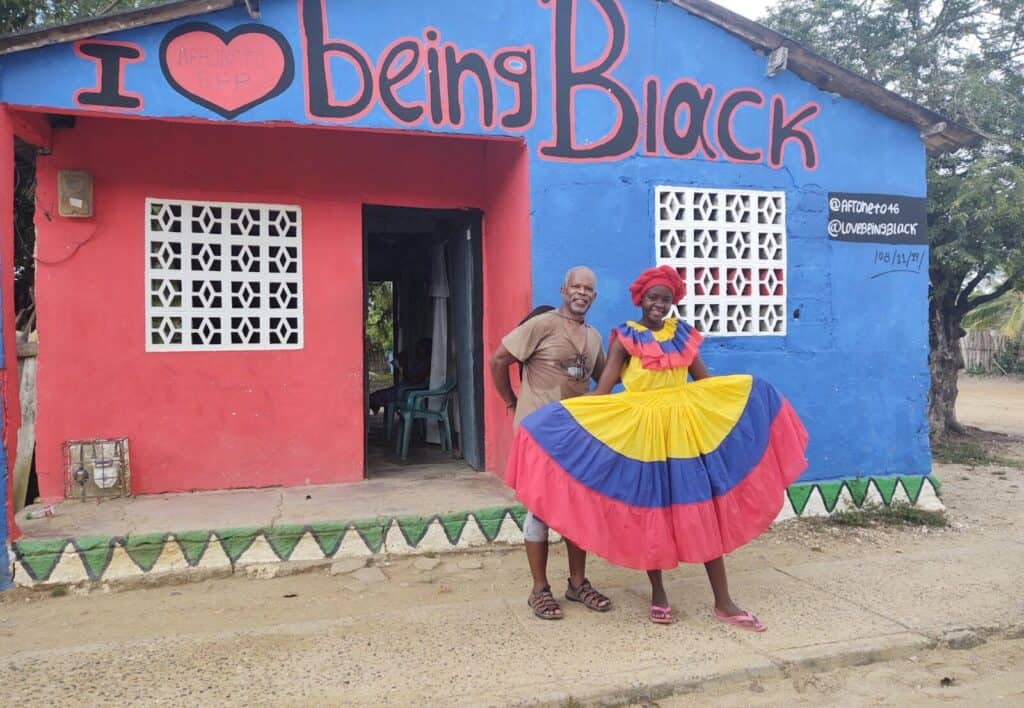
- Cultural Tours: Local guides shared stories about Palenque’s heritage and its role in the fight for freedom.
- Music and Dance: I witnessed traditional music performances and even joined a dance workshop.
- Cuisine: A hearty lunch of fried fish, coconut rice, and plantains was the perfect way to end the day.
Sunset Views
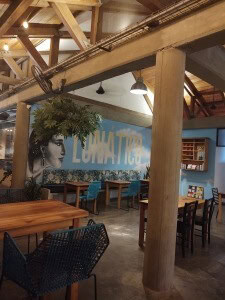
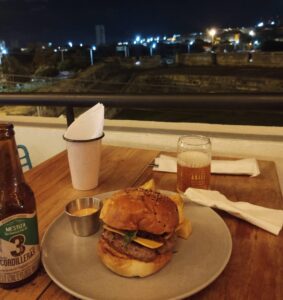
Back in Cartagena, I ended my last evenings at Lunatico, Caffe Lunatico is an open-air dining space with an incredible view of the city. The restaurant’s menu is a mix of Spanish flavors and local cuisine. The bar has a wide selection of drinks to enjoy. Cooking classes are also offered. And so, I had a hamburger.
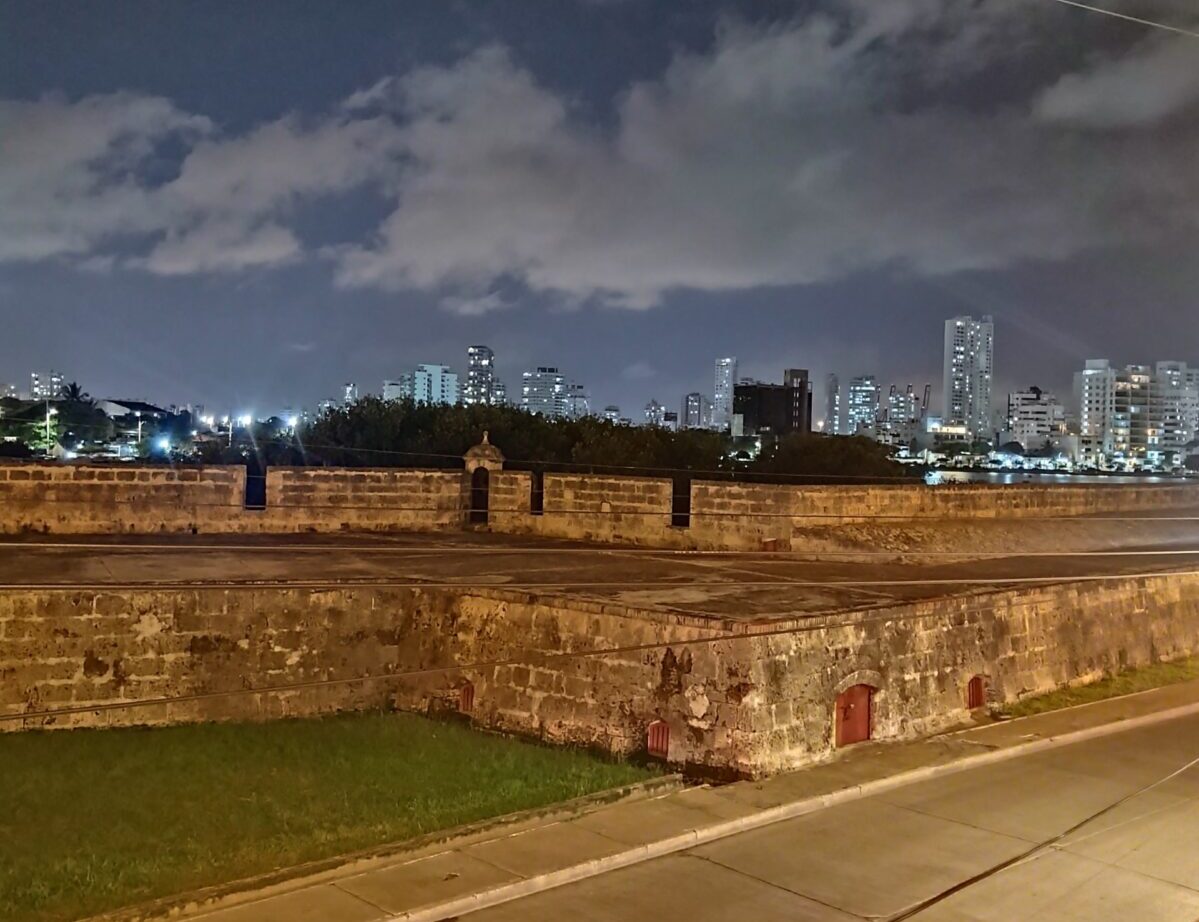
In 3 days, I covered a lot of ground yet still missed out on plenty more activities and sites. There were beaches and islands that I would have to save for my next trip back. That’s a story for another day and future trip back.
Days 11-17: Medellín – Embracing Laureles
Returning to Medellín
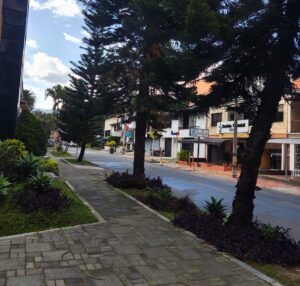
After the coastal charm of Cartagena, I returned to Medellín, this time staying back in Laureles, a neighborhood known for its laid-back vibe and authentic Colombian atmosphere.

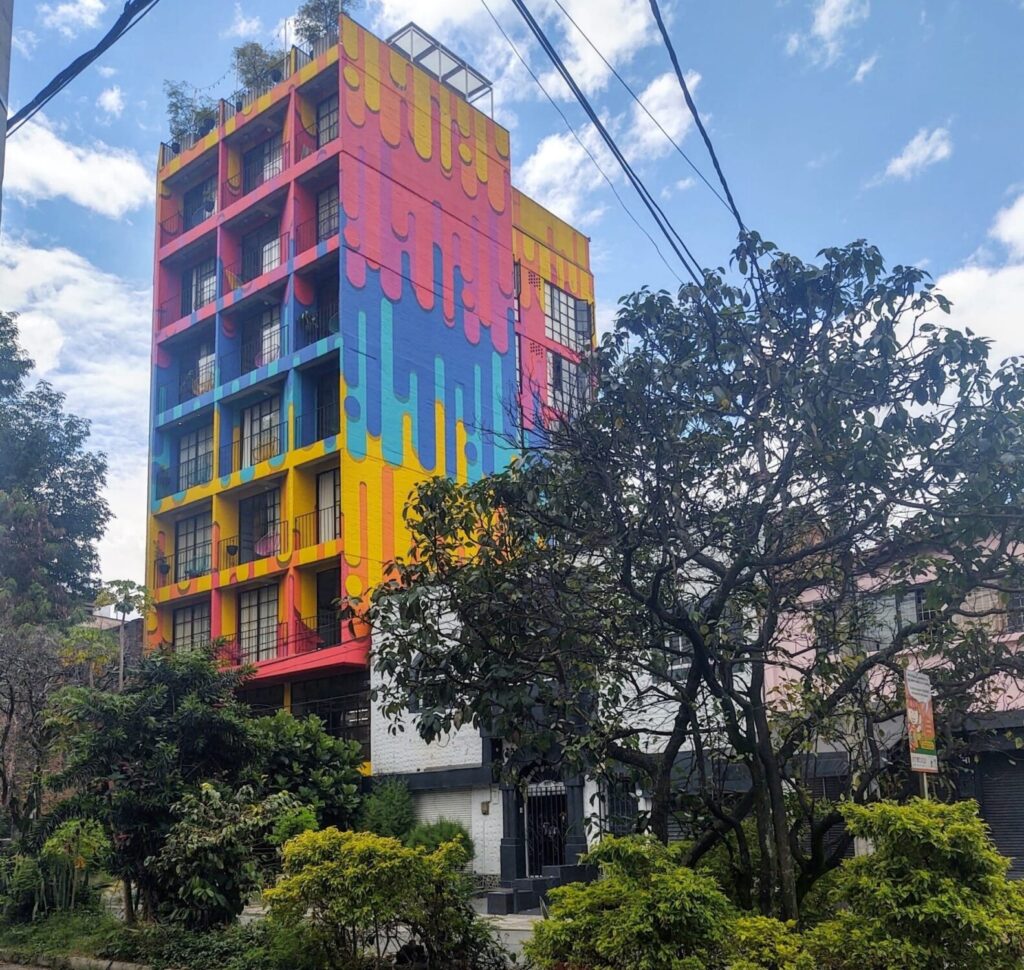
Accommodation in Laureles
This time around I opted for a different Airbnb in a quieter area than the first time when I stayed closer to the city action. With Uber and InDriver it was easy and cheap to get around, as well as the Medellin transit system which I was very impressed with. The city is very proud of it. Clean, safe and also inexpensive.
Exploring more of Laureles
Pueblito Paisa
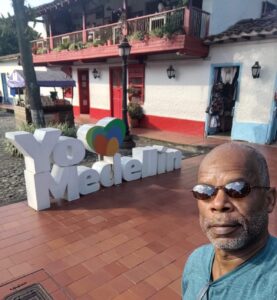
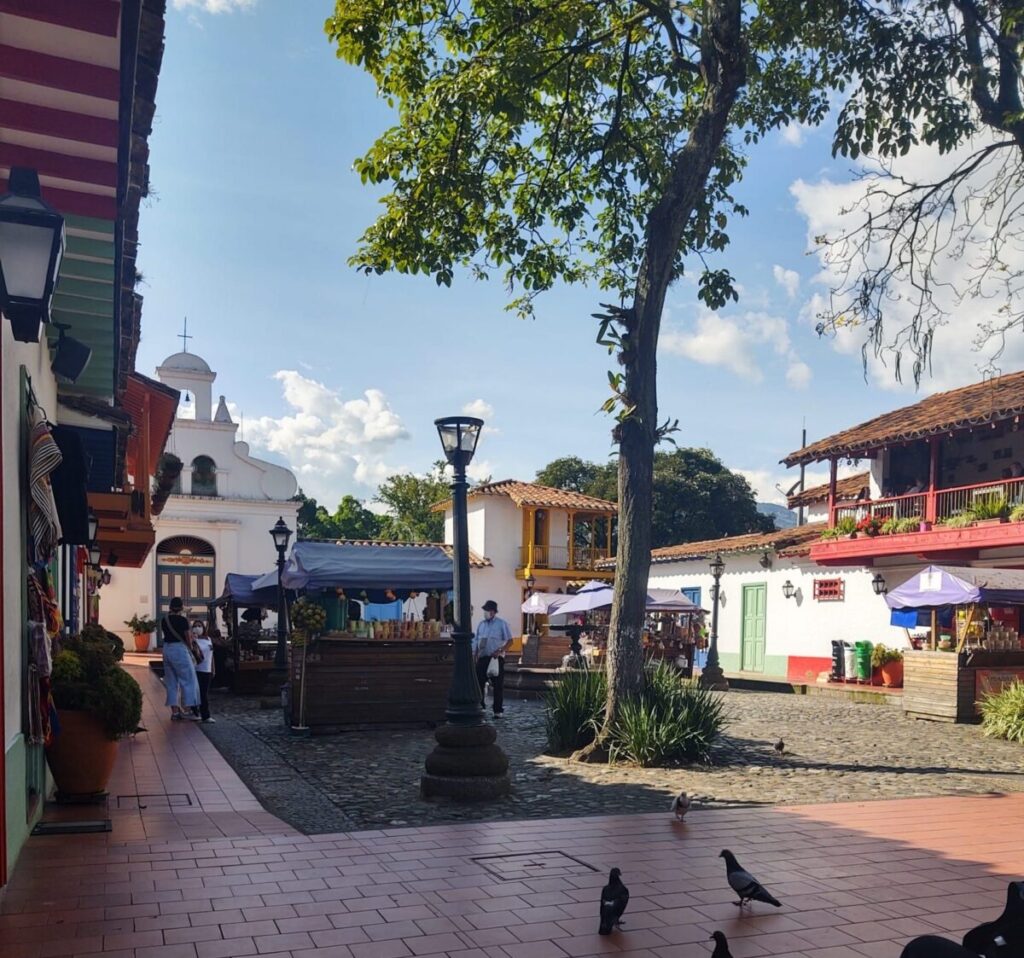
On this second visit I experienced a little bit more of the city. I took an Uber to Pueblito Paisa a charming replica of a traditional Antioquian village, perched atop Nutibara Hill in Medellín. This small, picturesque site features colorful colonial-style buildings, a central plaza with a fountain, and a quaint white church. Visitors can explore artisan shops, sample local delicacies, and enjoy panoramic views of the city from the hilltop. Pueblito Paisa offers a glimpse into the region’s cultural heritage and is a peaceful escape from Medellín’s bustling streets.
Day Trips and Activities

Another all-day trip that I set up through Tripadvisor was:
Guatapé, Medellín
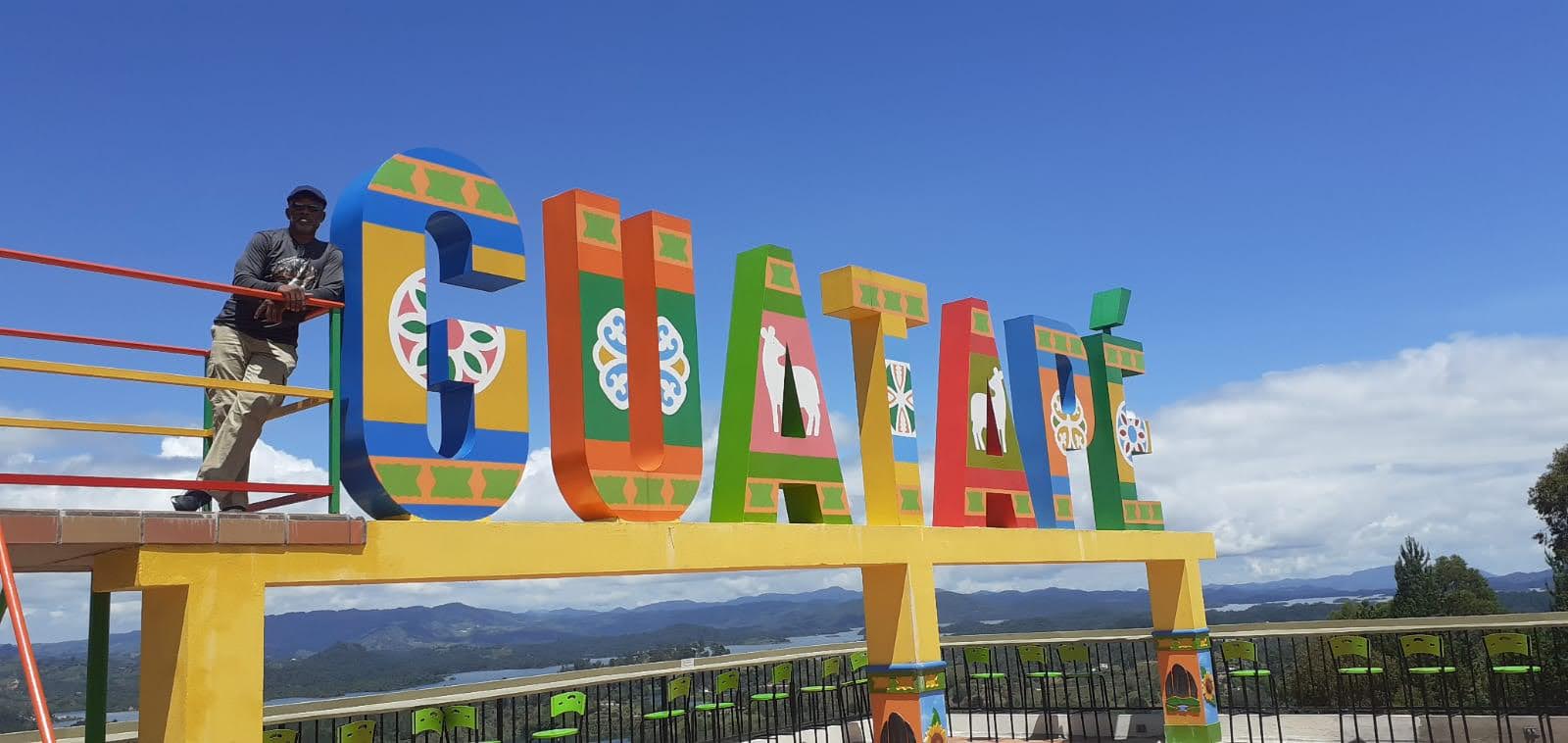
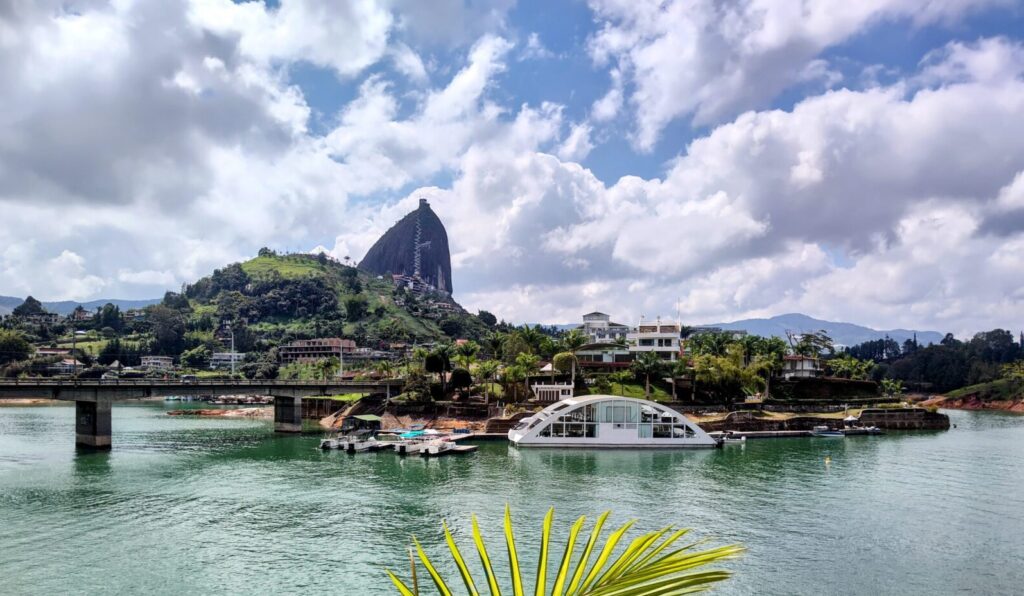
Guatapé, a picturesque town two hours from Medellín, is famed for its vividly painted zócalos (decorative panels) that adorn the lower portions of nearly every building. This charming destination is a kaleidoscope of color and creativity, with each zócalo telling a unique story through artistic designs, often reflecting local traditions, culture, or nature.
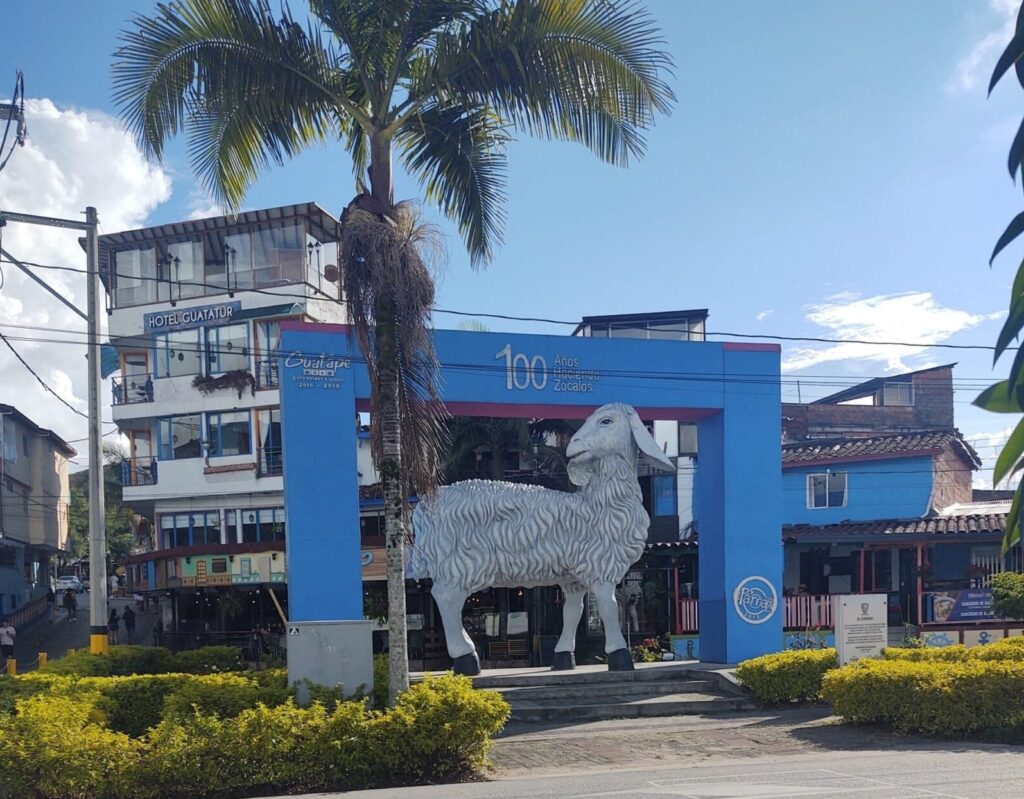
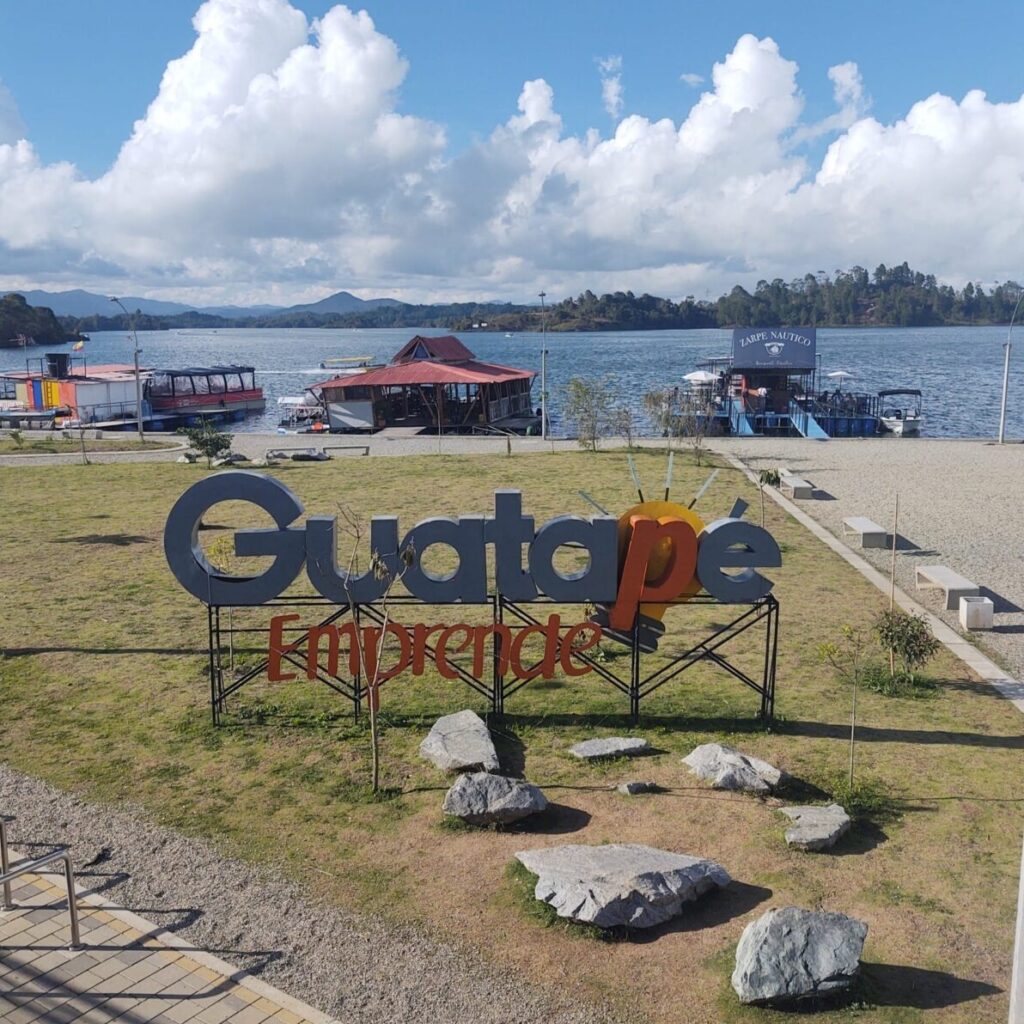
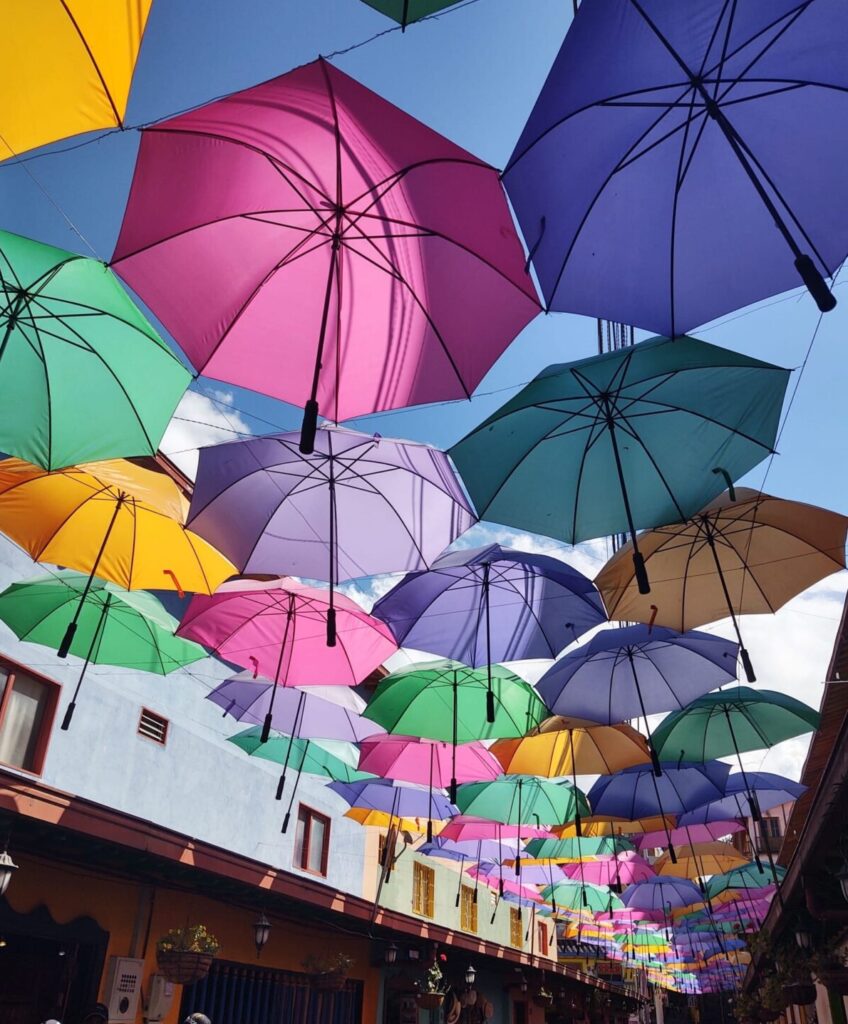
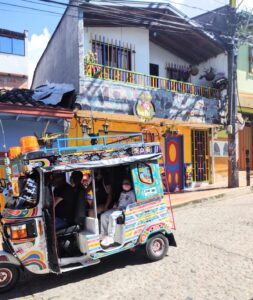
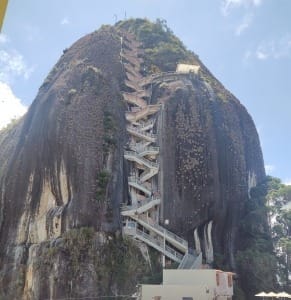
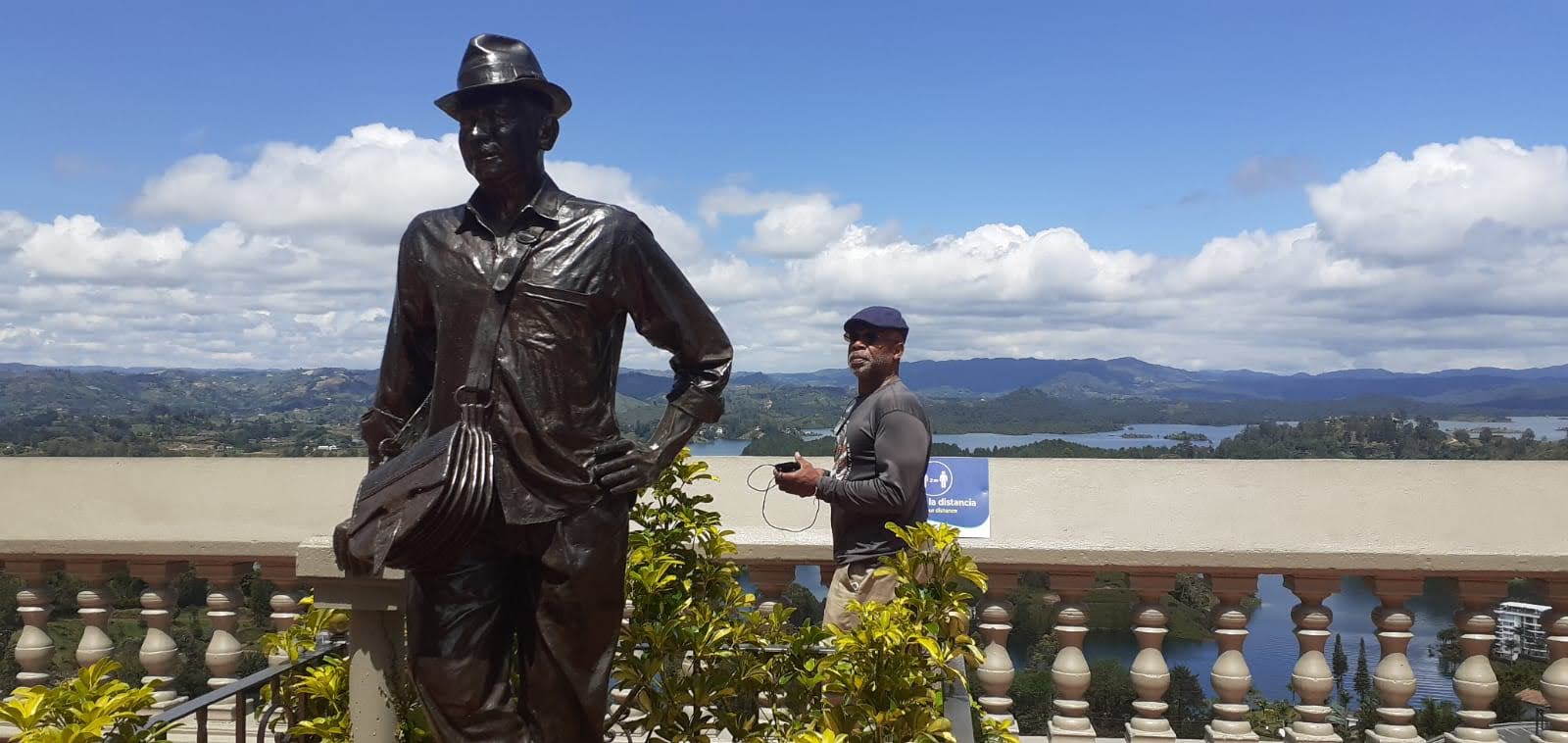
The town is a gateway to El Peñón de Guatapé, a massive granite rock standing 656 feet tall. Visitors can ascend its 740 steps to reach the summit, where breathtaking panoramic views of the surrounding emerald-green reservoir await. This artificial lake, formed by a hydroelectric dam, provides opportunities for boat tours, kayaking, and other water activities.
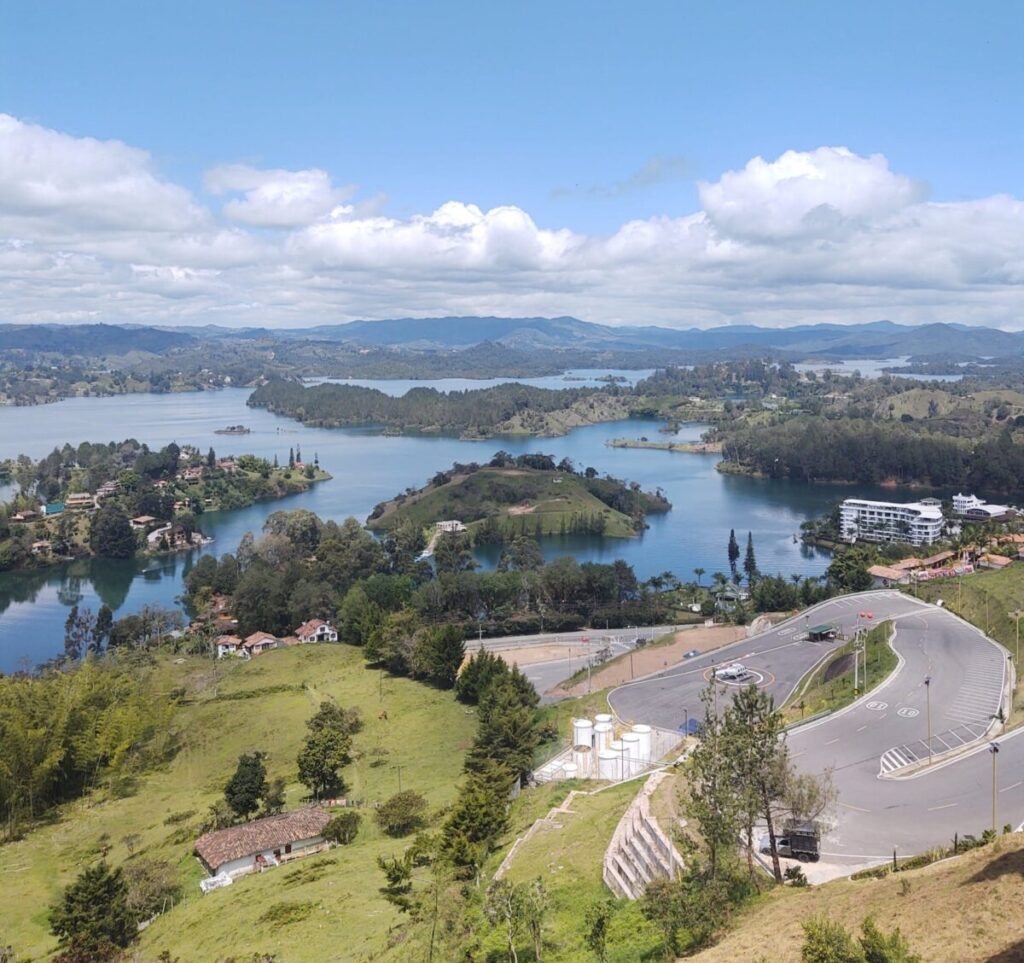
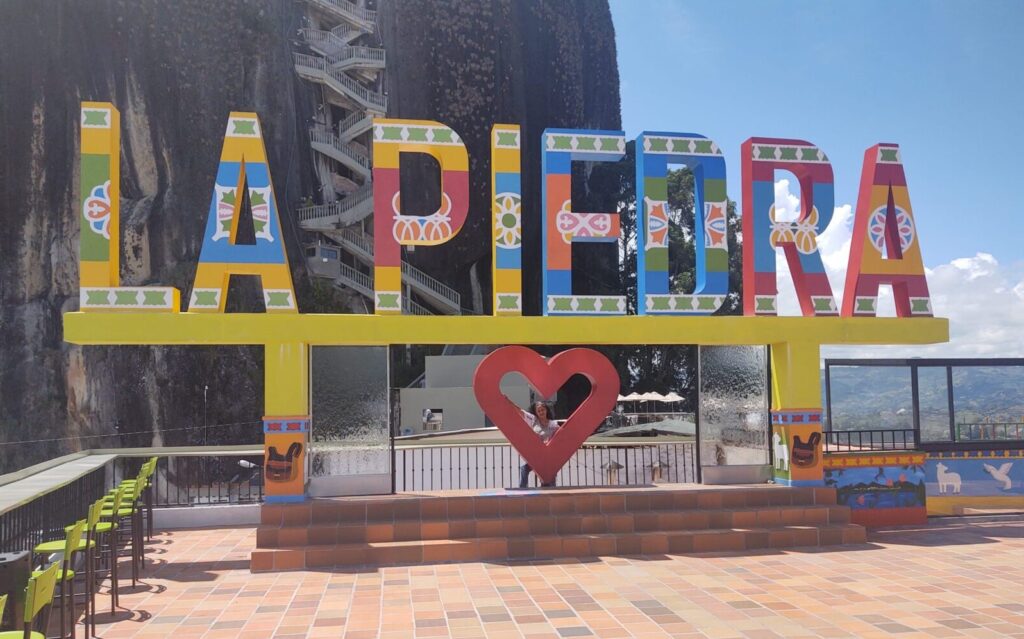
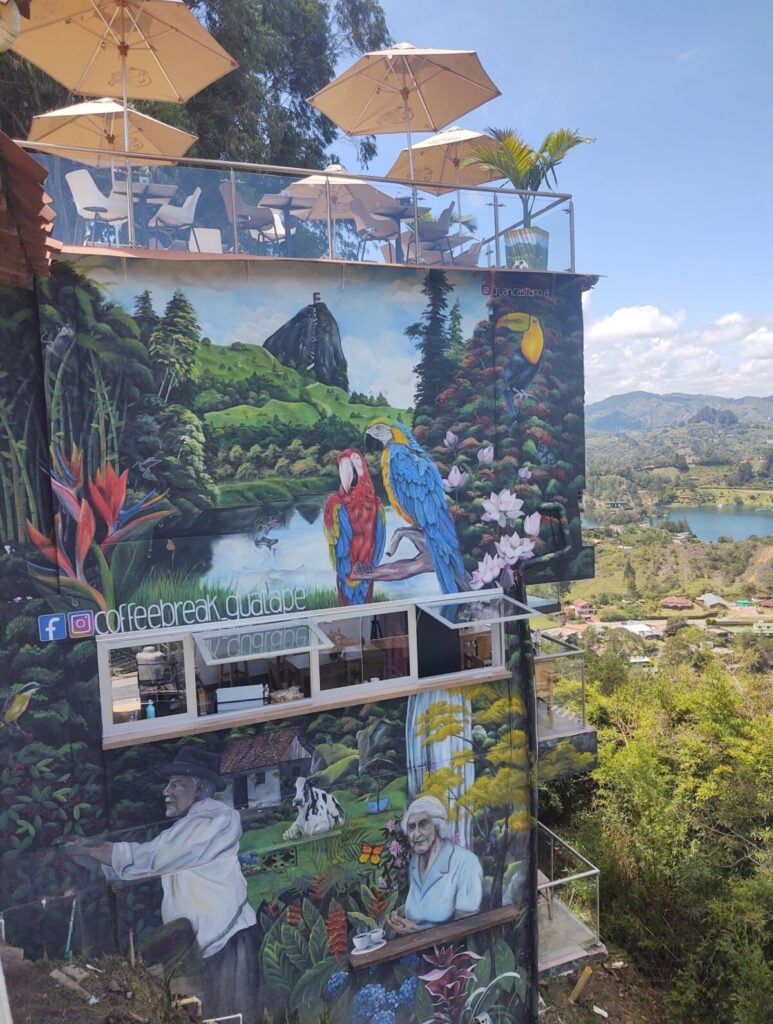
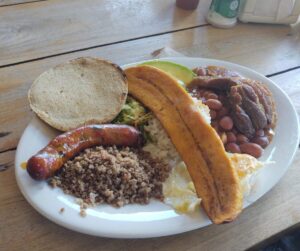
Guatapé’s central plaza is a hub of activity, lined with cafes, shops, and restaurants where visitors can enjoy traditional Antioquian dishes like bandeja paisa or fresh trout. The relaxed atmosphere and stunning scenery make Guatapé a popular day trip or weekend retreat for both locals and tourists. Whether you’re exploring the town’s colorful streets, climbing the iconic rock, or enjoying the tranquil waters, Guatapé offers a delightful blend of natural beauty and cultural charm.
Wrapping Up the Trip
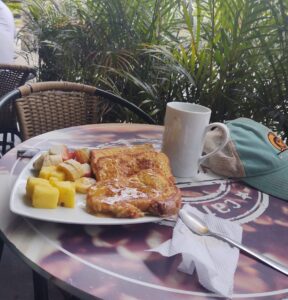
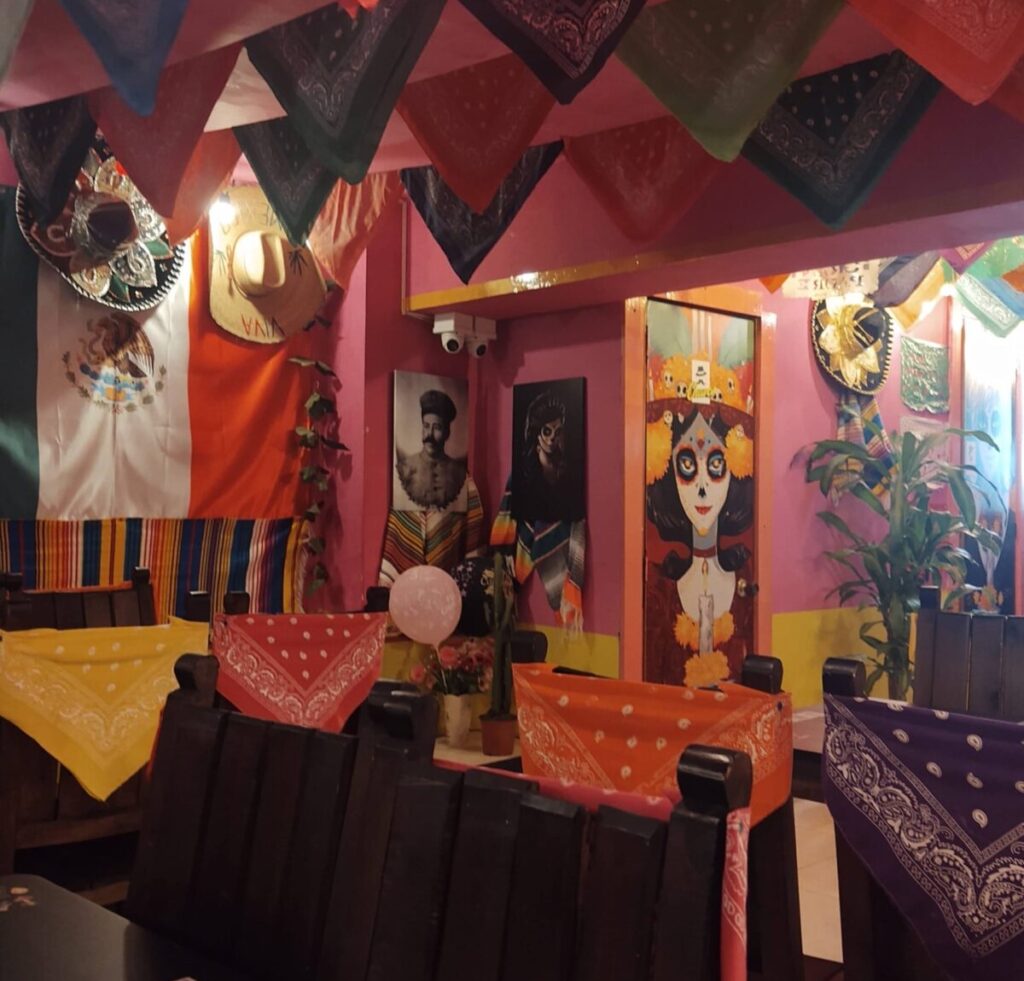
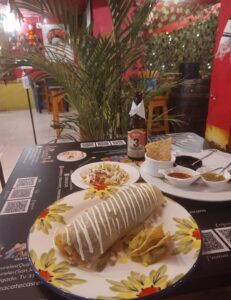
My last days and evenings in Laureles were spent savoring desayuno at a cool little restaurant and I had an urge for Mexican food for dinner, which is not the same as in Mexico but very good. I also spent a few hours at the Unicentro Mall. Reflecting on my journey, I realized how much Colombia had exceeded my expectations.
Tips for Travelers
- Language: Basic Spanish is helpful, but many locals in tourist areas speak English.
- Safety: Stick to well-known neighborhoods and avoid isolated areas after dark.
- Transportation: Medellín’s metro system is efficient, and taxis or rideshare apps like InDriver are reliable.
- Packing: Bring layers for Medellín’s mild climate and lightweight clothing for Cartagena’s heat.
Final Thoughts
My 17-day journey through Medellín, Cartagena, and Palenque was a perfect blend of urban exploration, historical discovery, and cultural immersion. From the vibrant streets of El Poblado to the historic charm of Cartagena and the cultural depth of Palenque, Colombia offered a diverse and unforgettable experience.
For anyone considering a trip to Colombia, don’t hesitate. The country’s rich culture, warm people, and stunning landscapes are waiting to be explored.