
Curacao
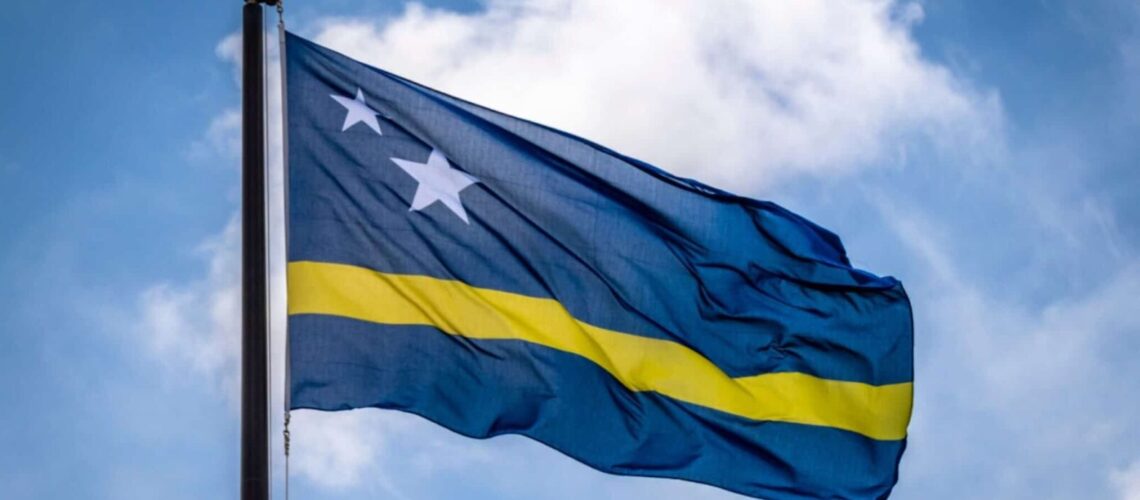
Curacao
Let the Journey Begin
Curaçao – Explore Curaçao through firsthand travel experiences, from the colorful streets and waterfront of Willemstad to Caribbean beaches, Klein Curaçao, local culture, food, music, and island road trips. Discover practical travel tips, costs, places to stay, transportation, photography, and lessons learned while experiencing this unique Dutch Caribbean island.
Curaçao is a colorful Dutch Caribbean island that combines beautiful beaches, the historic architecture of Willemstad, a multilingual culture, great music and plenty to explore beyond the resort areas. Our first four-day visit included Klein Curaçao, the Curaçao North Sea Jazz Festival, Mambo Beach, Jan Thiel, Willemstad and a road trip across the island. This page brings together my Curaçao travel stories, photography, practical tips and firsthand experiences as I continue exploring the island.
From Wikipedia:
Curaçao,[a] officially the Country of Curaçao,[b] is a constituent country within the Kingdom of the Netherlands. It is an island country located in the southern Caribbean Sea, specifically the Dutch Caribbean region, about 65 km (40 mi) north of Venezuela and 80 km (50 mi) southeast of Aruba. Curaçao includes the main island of Curaçao, and the much smaller, uninhabited island of Klein Curaçao (“Little Curaçao”).[1]
The 2023 census recorded a population of nearly 156,000 people in Curaçao.[3] The country has an area of 444 km2 (171 sq mi); its capital is Willemstad.[1] Together with Aruba and Bonaire, Curaçao forms part of the ABC islands.[12][13] Collectively, Curaçao, Aruba, and other Dutch islands in the Caribbean are often called the Dutch Caribbean.[13] It is the largest of the ABC islands in terms of both area[14] and population.[13]
The island is known for its indigenous bitter orange-based liqueur, Curaçao, flavoured with the dried peel of the laraha, a citrus fruit grown on the island.[15]
Though labelled “the Useless Island” due to its poor agricultural yield and lack of precious metals, it later became a strategic cattle ranching area. When the Dutch colonized the island in 1634, they shifted the island’s focus to trade and shipping, and later made it a hub of the Atlantic slave trade.[17]
British forces occupied Curaçao twice during the French Revolutionary and Napoleonic Wars, but it was returned to Dutch rule. The abolition of slavery in 1863 led to economic shifts and migrations. Dutch remains the official language, though Papiamento, English, and Spanish are widely spoken, reflecting the island’s diverse cultural influences. Curaçao was part of the Curaçao and Dependencies colony from 1815 to 1954, and part of the Netherlands Antilles from 1954 until 2010, as Island Territory of Curaçao.[c][d][1]
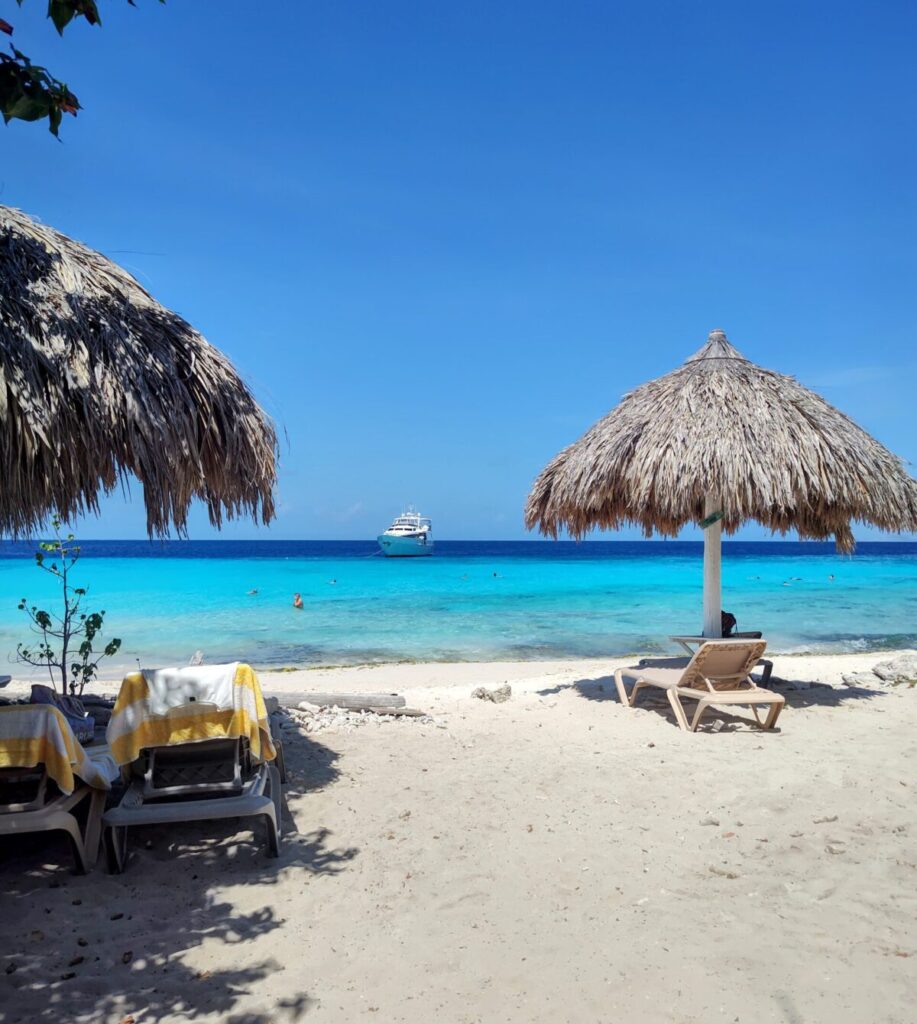

4 Days in Curaçao: What We’d Do Again 4 Days in Curacao Curaçao had been on my radar, but this trip really came together because of the Curaçao North Sea Jazz Festival. My wife and I traveled from Cúcuta, Colombia, Read more…
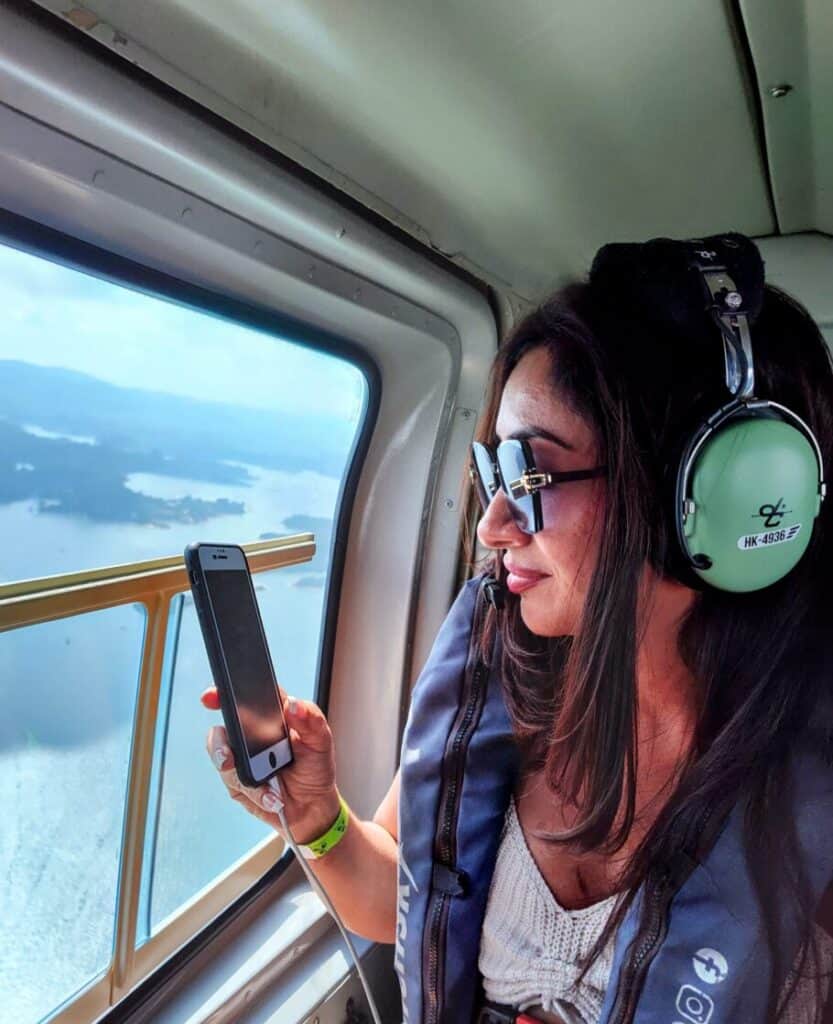
Colombia, known for its vibrant culture, stunning landscapes, and warm people, is a popular destination for travelers seeking romance and adventure. One aspect that often stands out for foreigners is the language barrier. While many Colombians are friendly and Read more…