

Day 1 Arrival
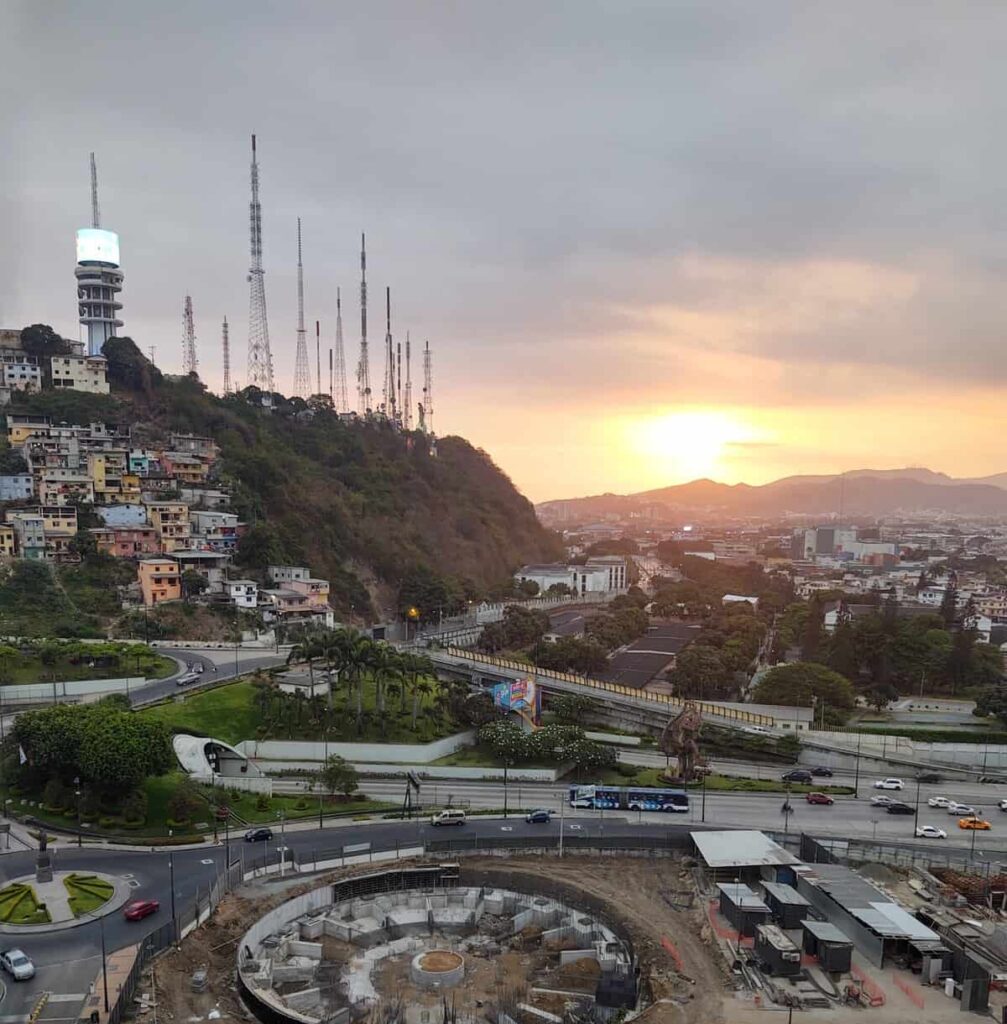
My journey began in Guayaquil, Ecuador’s largest city and bustling port. Stepping off the plane, the warm, tropical air enveloped me as I made my way through José Joaquín de Olmedo International Airport. As a retired single traveler, I was eager to explore this vibrant city known for its blend of modernity and history.
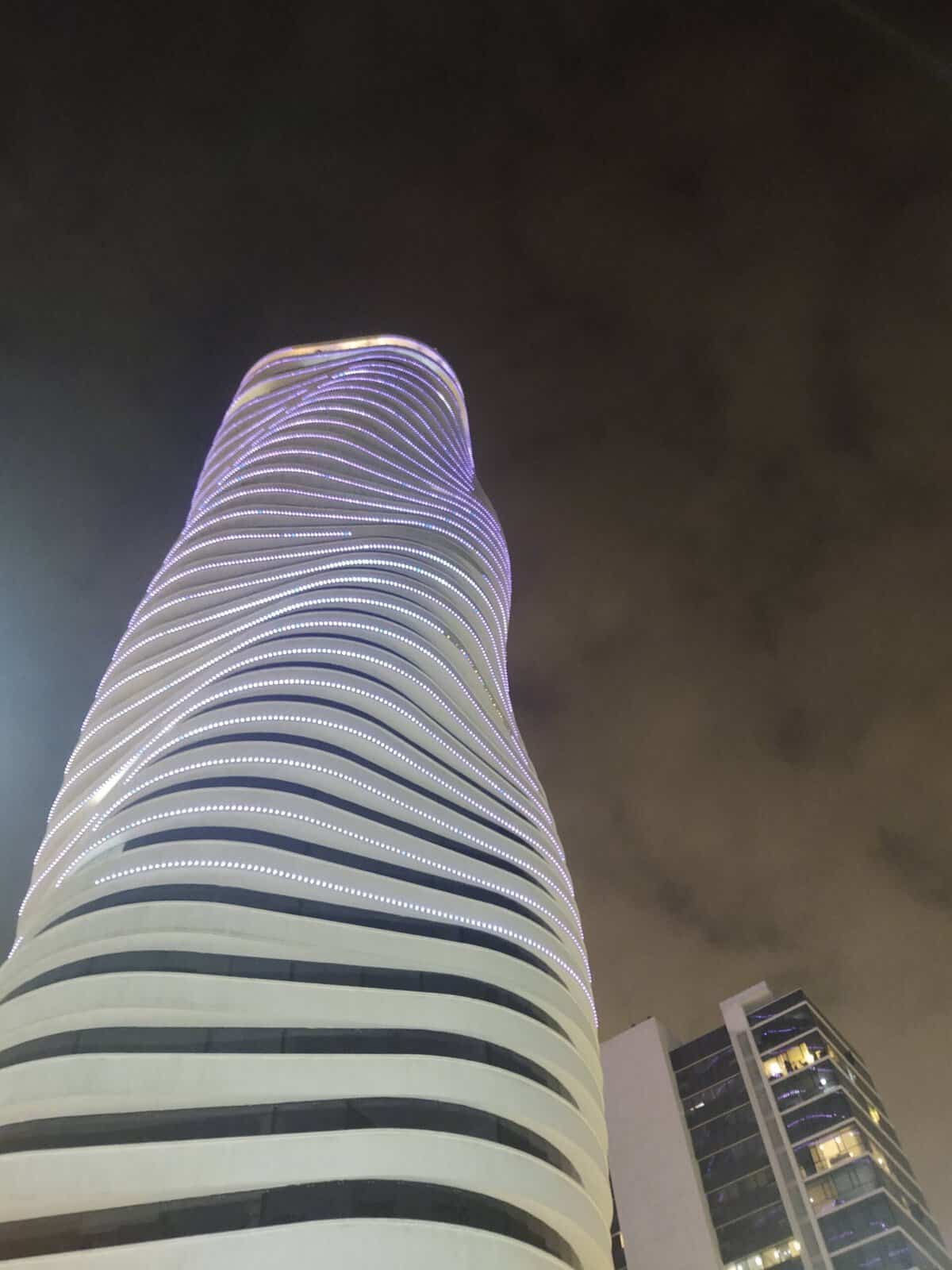
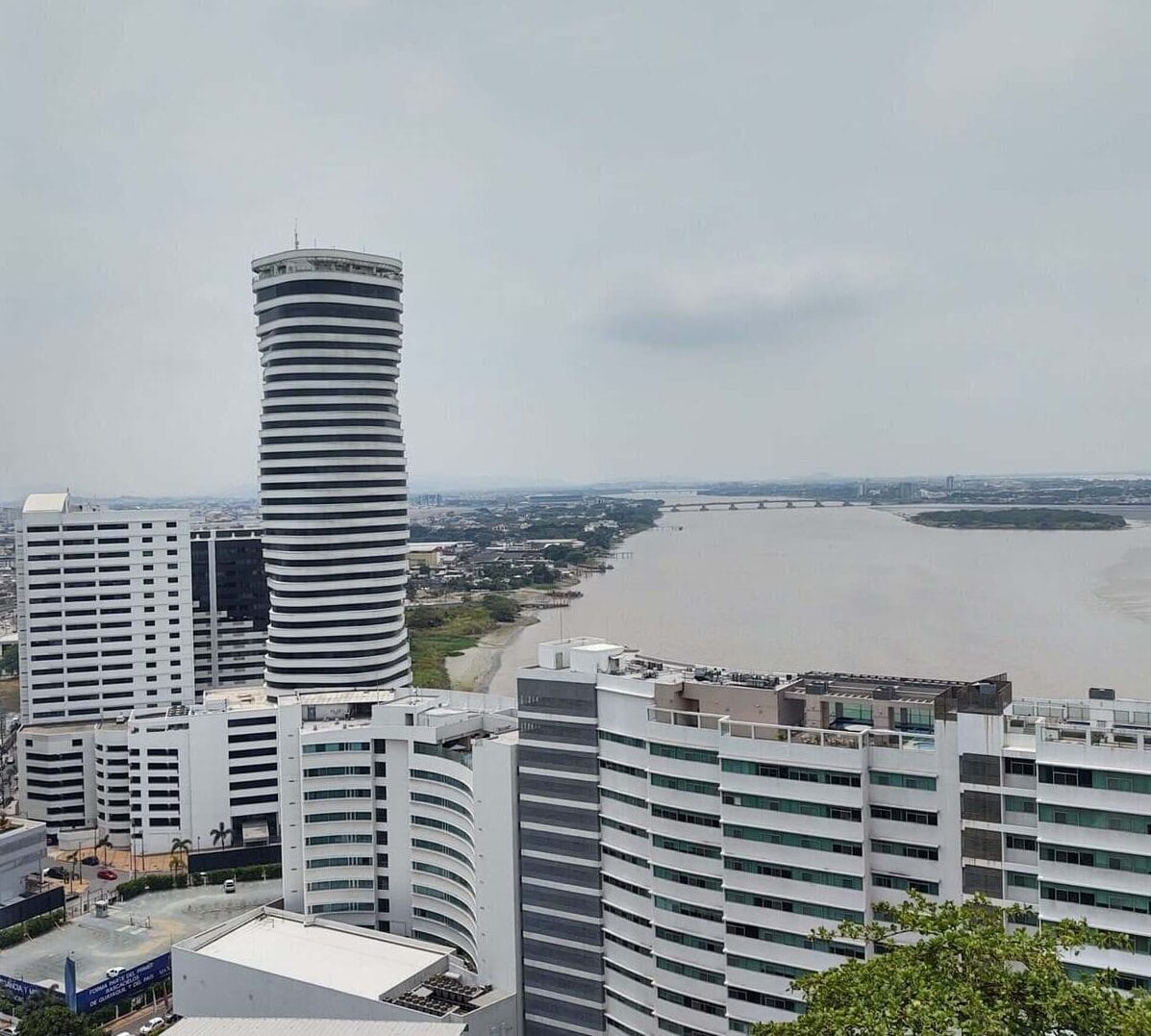
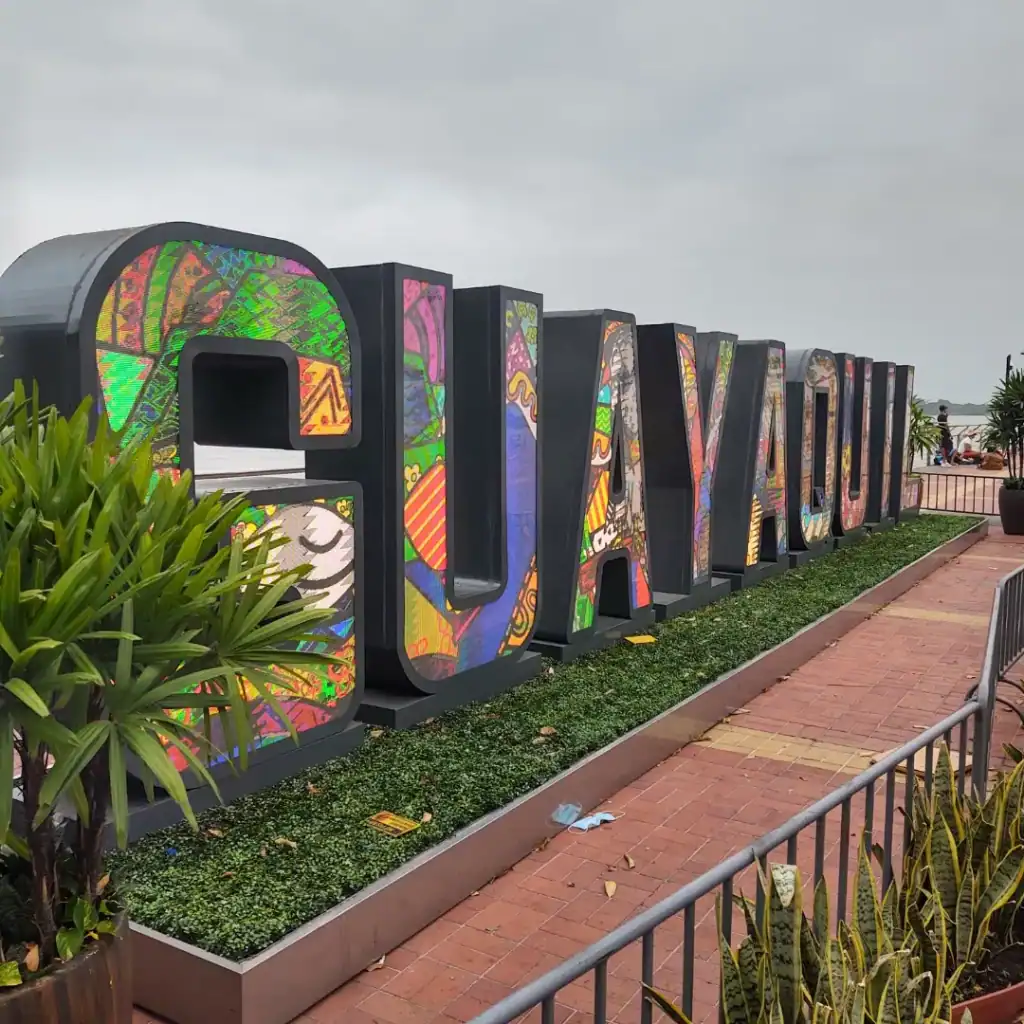
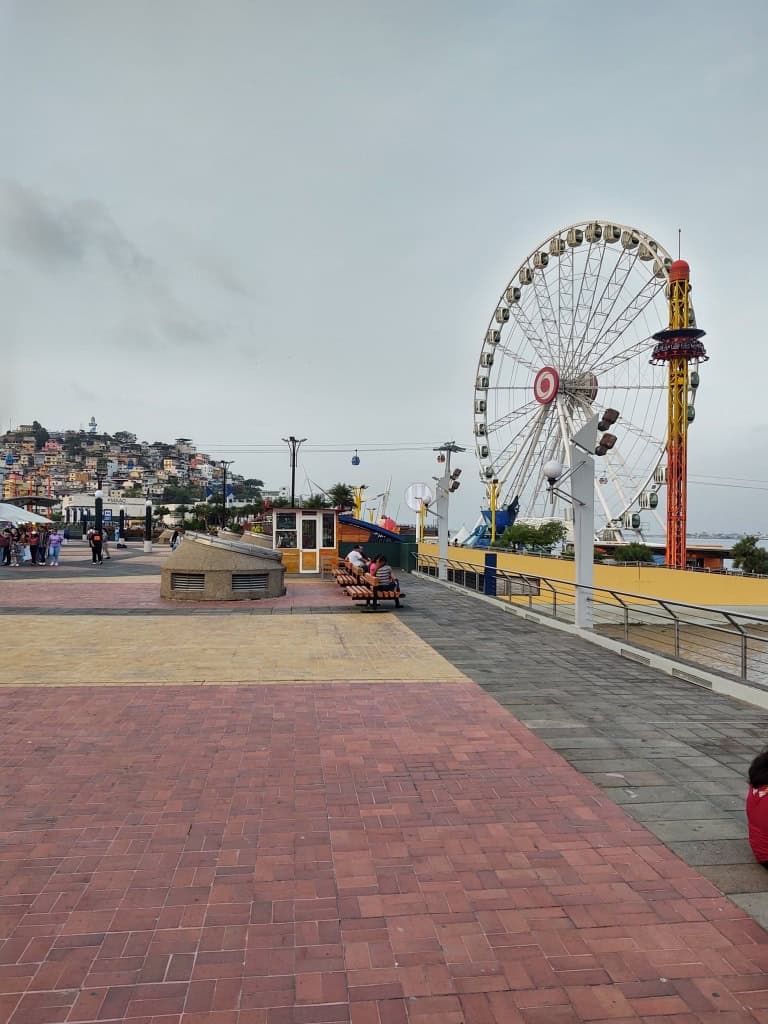
Guayaquil’s skyline greeted me with a mix of towering skyscrapers and colonial architecture. I checked into my Airbnb in the city center, choosing one near the famous Malecon 2000—a 2.5 km boardwalk along the Guayas River. This iconic spot is perfect for solo travelers, offering scenic views, restaurants, and cultural attractions.
After settling in, I took a leisurely stroll along the Malecon. The Boardwalk was alive with locals and tourists enjoying the evening breeze. I visited the Moorish clock tower, a symbol of the city, and admired the picturesque gardens. My first day in Guayaquil was a gentle introduction to what would be an unforgettable journey.
Day 2
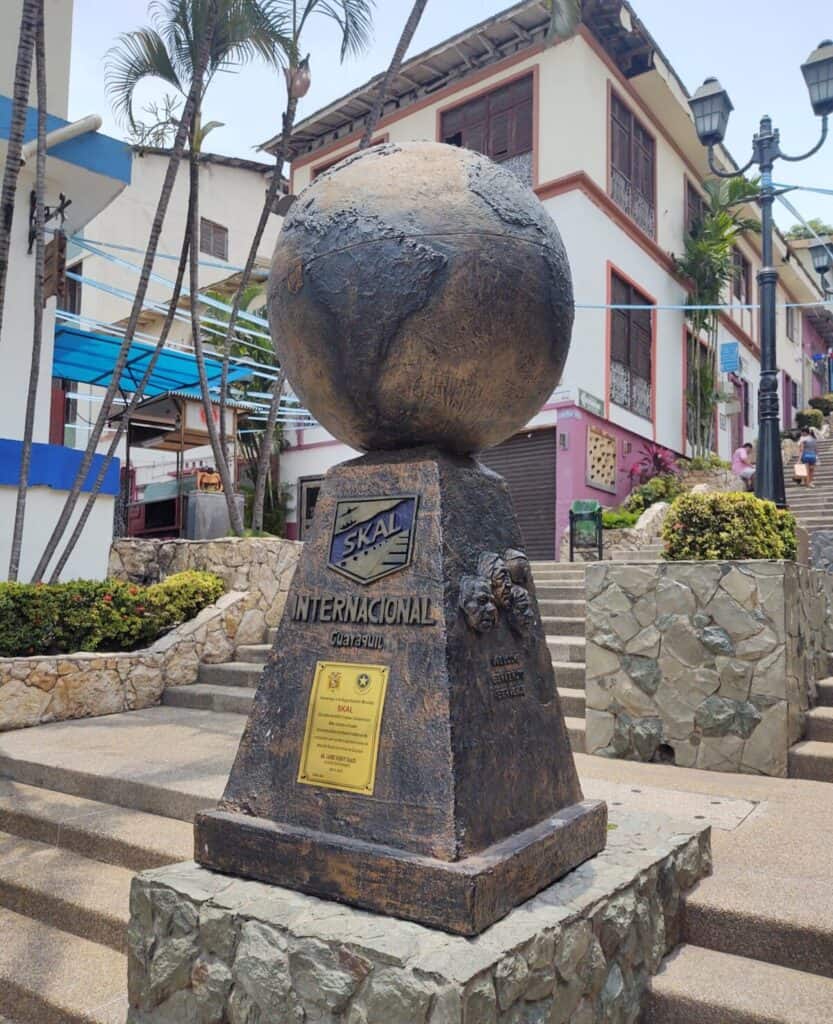
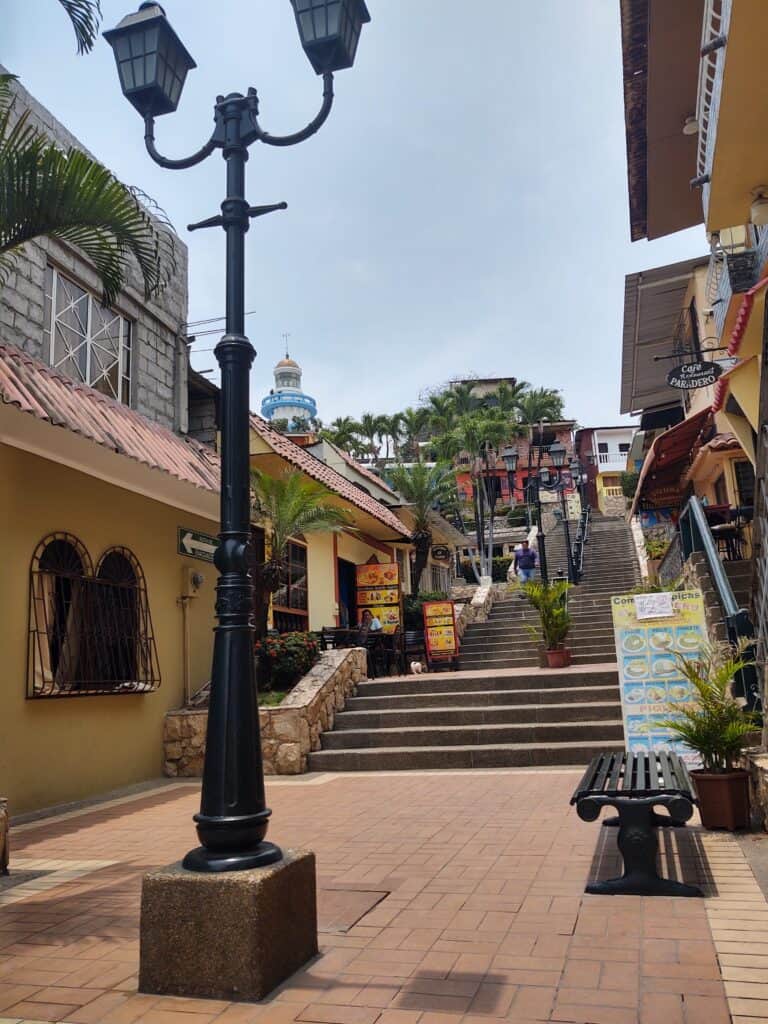
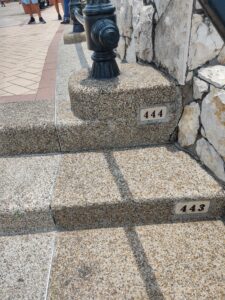
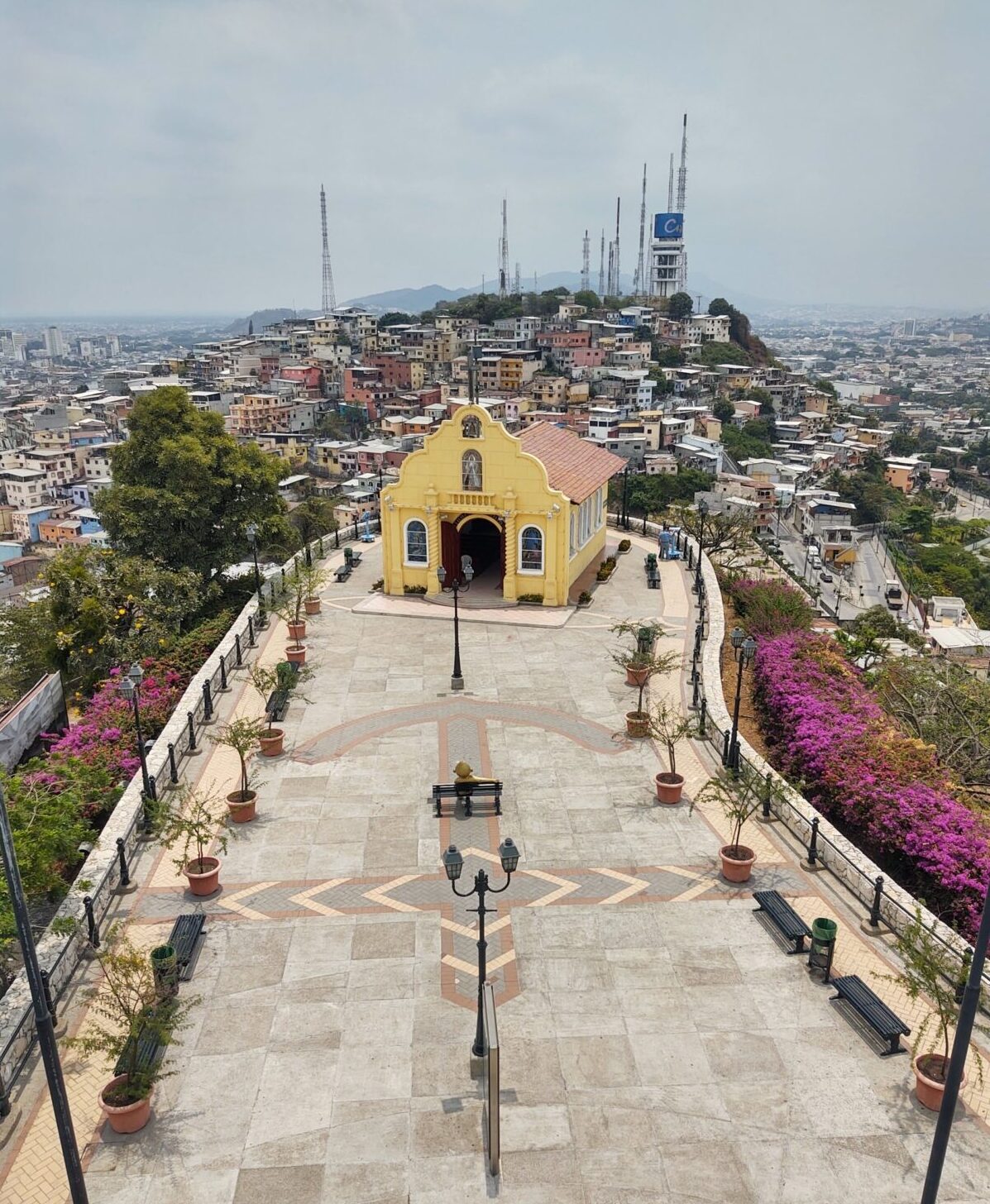
My second day started early with a visit to the Las Peñas neighborhood, the oldest part of Guayaquil. Perched on Santa Ana Hill, this charming district is a colorful labyrinth of cobblestone streets and vibrant houses. Climbing the 444 steps to the top was a workout, but the panoramic view of the city and river was well worth the effort. Prior to my Uber ride, I had one of the best breakfast sandwiches ever from a coffee shop called
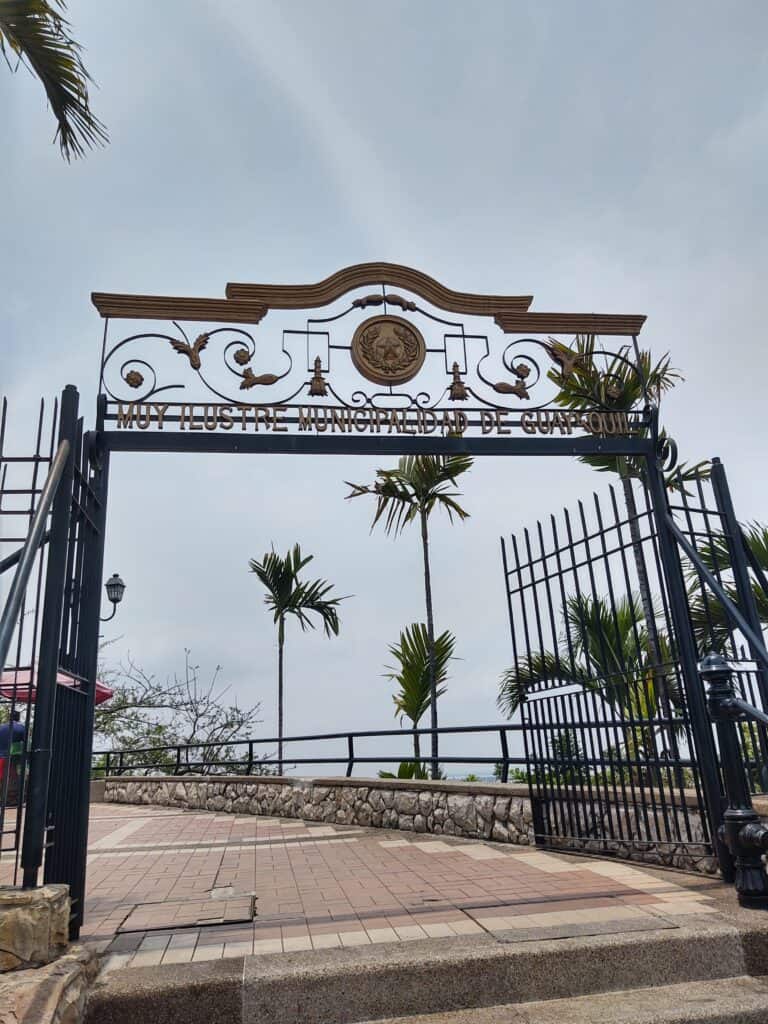
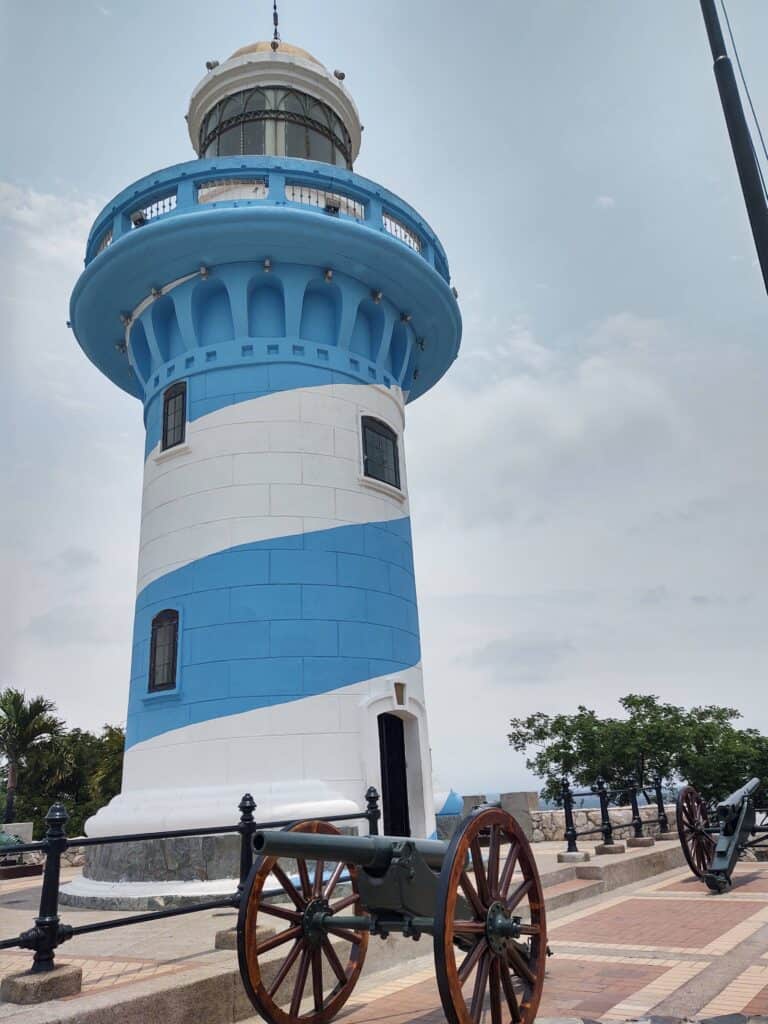
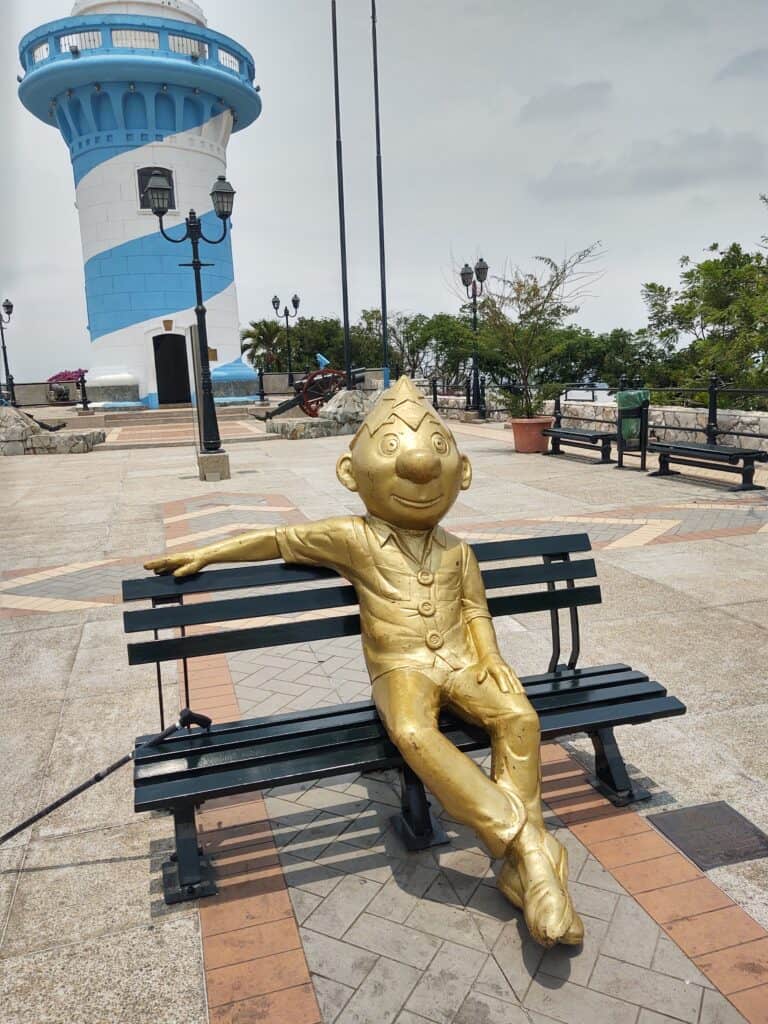
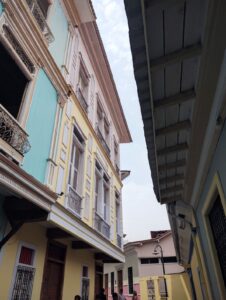
After descending from Las Peñas, I headed to Parque Histórico, a short taxi ride away. This park is a hidden gem that offers a unique blend of history, wildlife, and traditional Ecuadorian architecture. I wandered through the restored buildings that depicted life in the early 20th century and marveled at the native animals, including monkeys and parrots, roaming freely in the botanical garden
. 
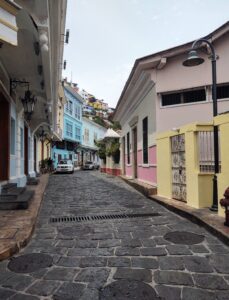
By afternoon, I ventured to the bustling Mercado Artesanal, the largest artisan market in Guayaquil. Here, I picked up some handcrafted souvenirs and indulged in a traditional Ecuadorian lunch of ceviche and plantain chips. The market’s vibrant atmosphere and the friendly vendors made for a memorable experience.
On to Day 3. I took a passenger van from Guayaquil to Cuenca, about a 2 hour ride, and the change in scenery was immediate. I was greeted by the sight of lush green mountains and red-tiled rooftops—a stark contrast to Guayaquil’s modern skyline
Cuenca, Ecuador
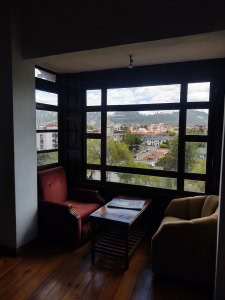
Upon arrival in Cuenca, I felt an immediate sense of calm. Known for its well-preserved colonial architecture and laid-back vibe, Cuenca is a UNESCO World Heritage site and a favorite among retirees and expats. I checked into a charming boutique hotel in the historic center, within walking distance of most attractions.
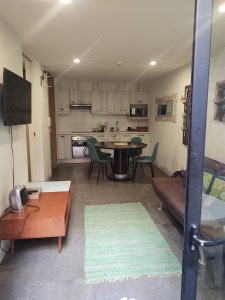

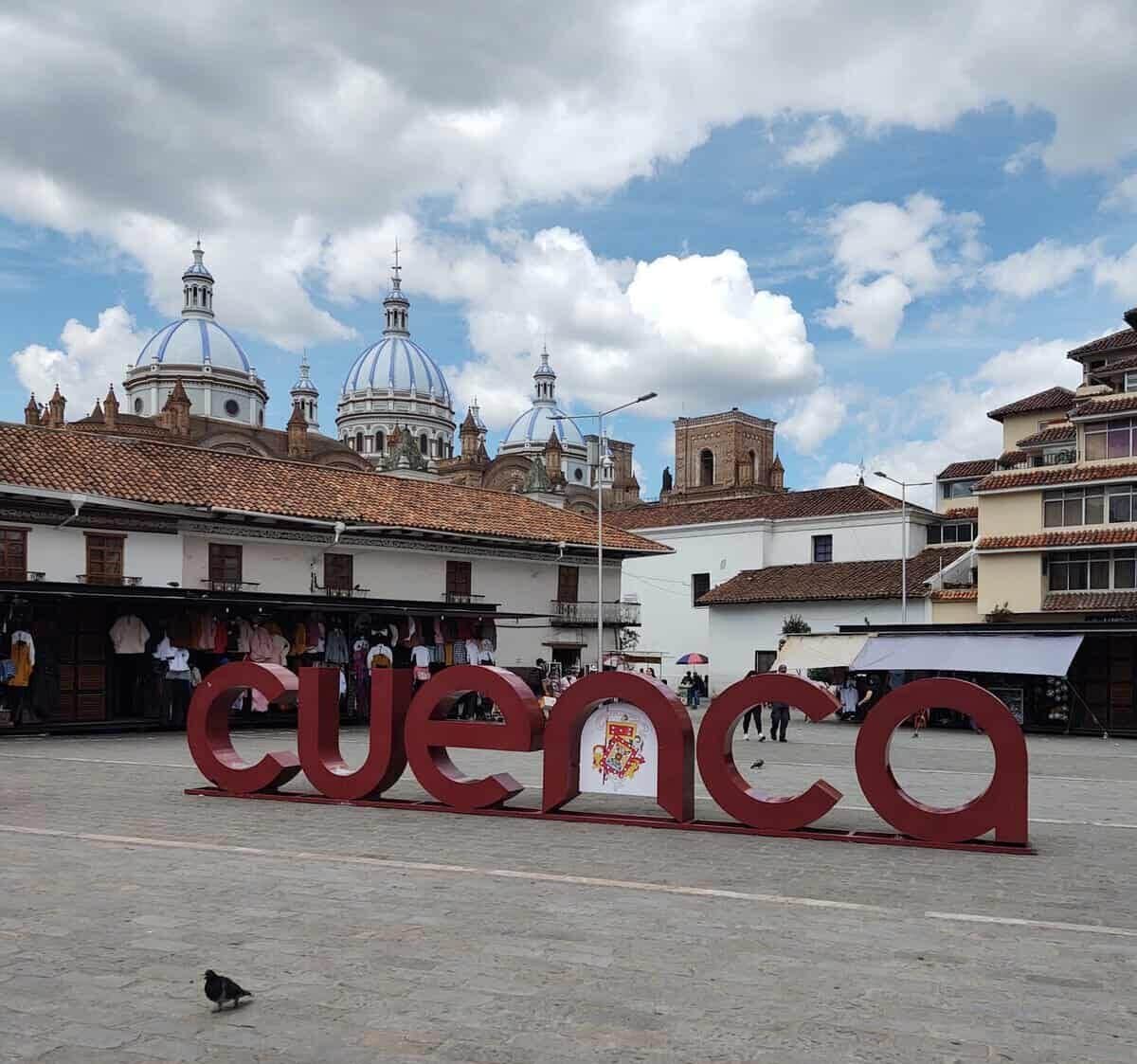
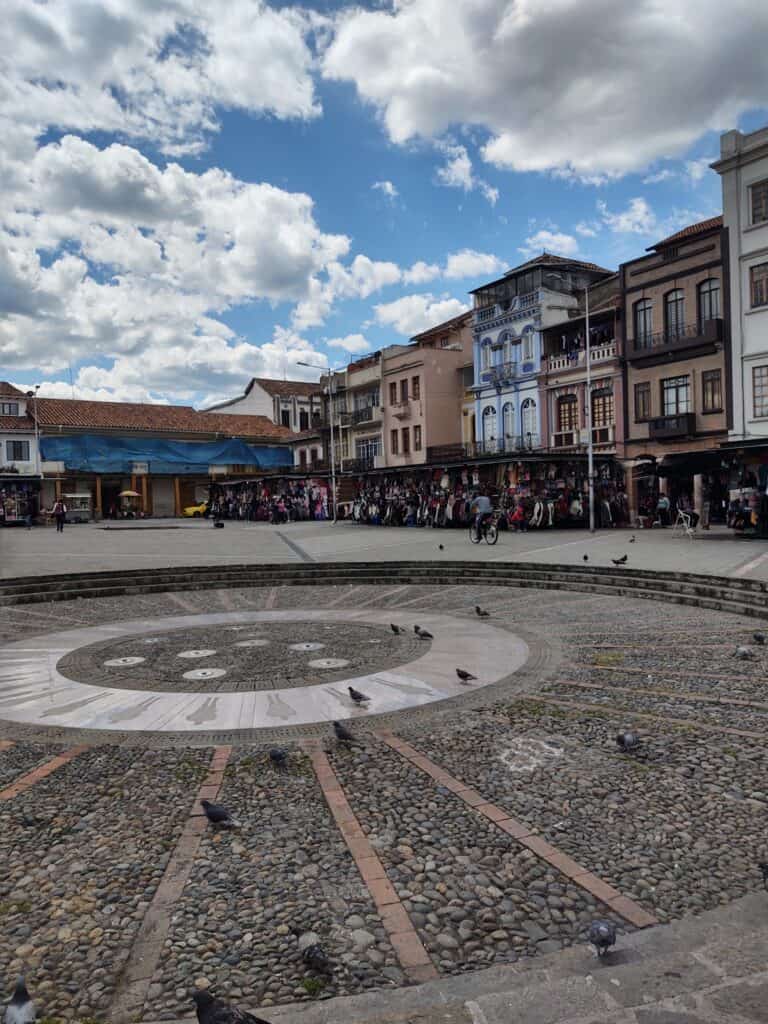
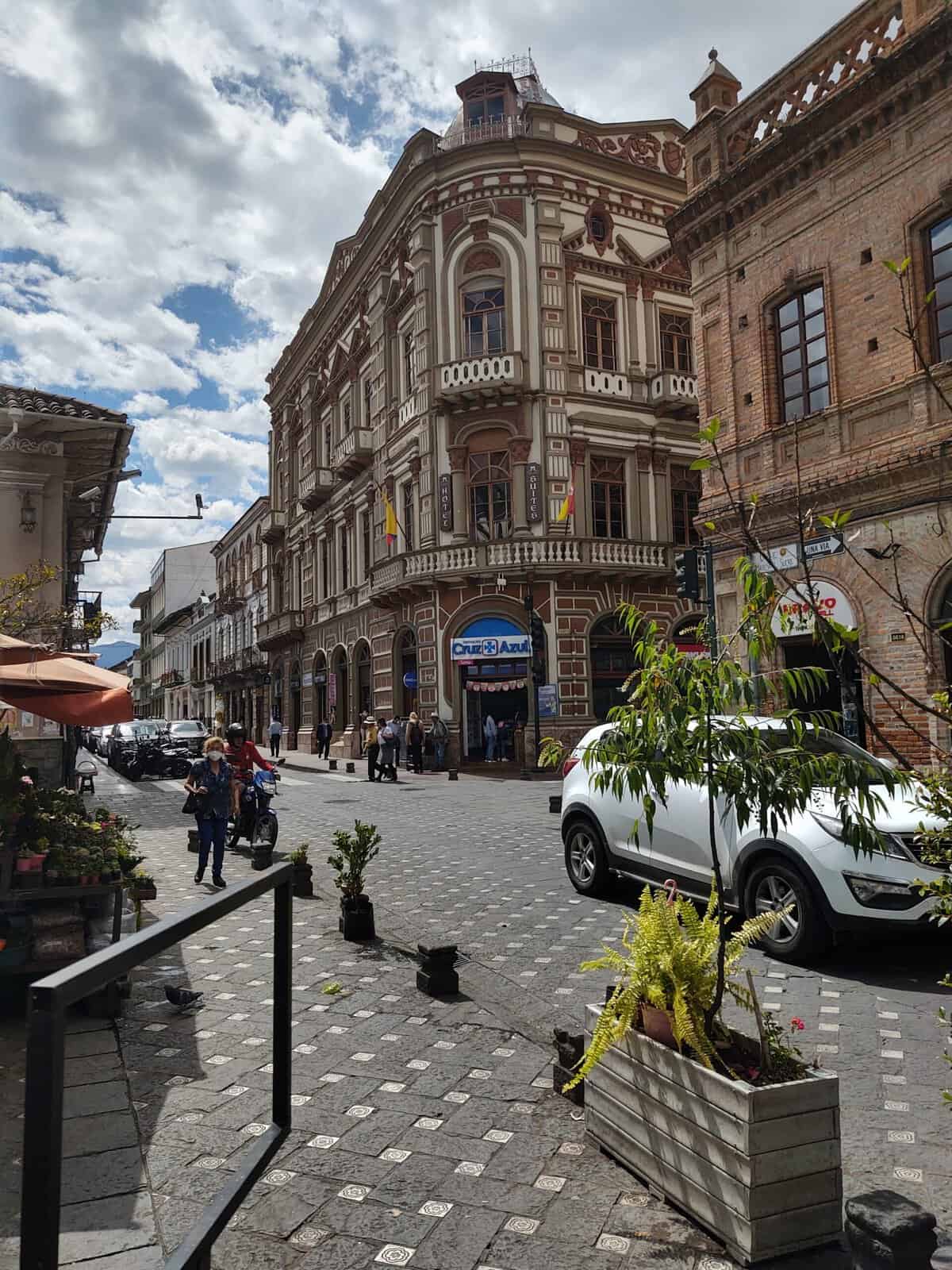
After unpacking, I took a leisurely walk through Cuenca’s cobblestone streets. The city’s colonial charm is palpable, with its whitewashed buildings, ornate balconies, and flower-filled plazas. I visited the New Cathedral of Cuenca, a stunning example of Gothic-Renaissance architecture, and relaxed in the nearby Parque Calderón, the city’s main square.
My fourth day in Ecuador was dedicated to immersing myself in Cuenca’s rich cultural scene. I began with a visit to the Museum of Modern Art, housed in a former mental hospital. The museum’s collection of contemporary Ecuadorian art was both thought-provoking and inspiring, offering a glimpse into the country’s creative spirit.
Next, I explored the Pumapungo Archaeological Park and Ethnographic Museum. This site, once the center of the Inca civilization in the region, is now a fascinating blend of history and nature. The park features ruins of ancient temples, and the museum showcases Ecuador’s diverse indigenous cultures. The ethnographic exhibits, in particular, provided insight into the traditional ways of life that still influence modern Ecuador.
For lunch, I sought out a local eatery to try Cuenca’s culinary specialty—hornado, a slow-roasted pork dish typically served with corn, potatoes, and a tangy sauce. The meal was hearty and flavorful, and it gave me a taste of the Andean highlands’ rich food culture.
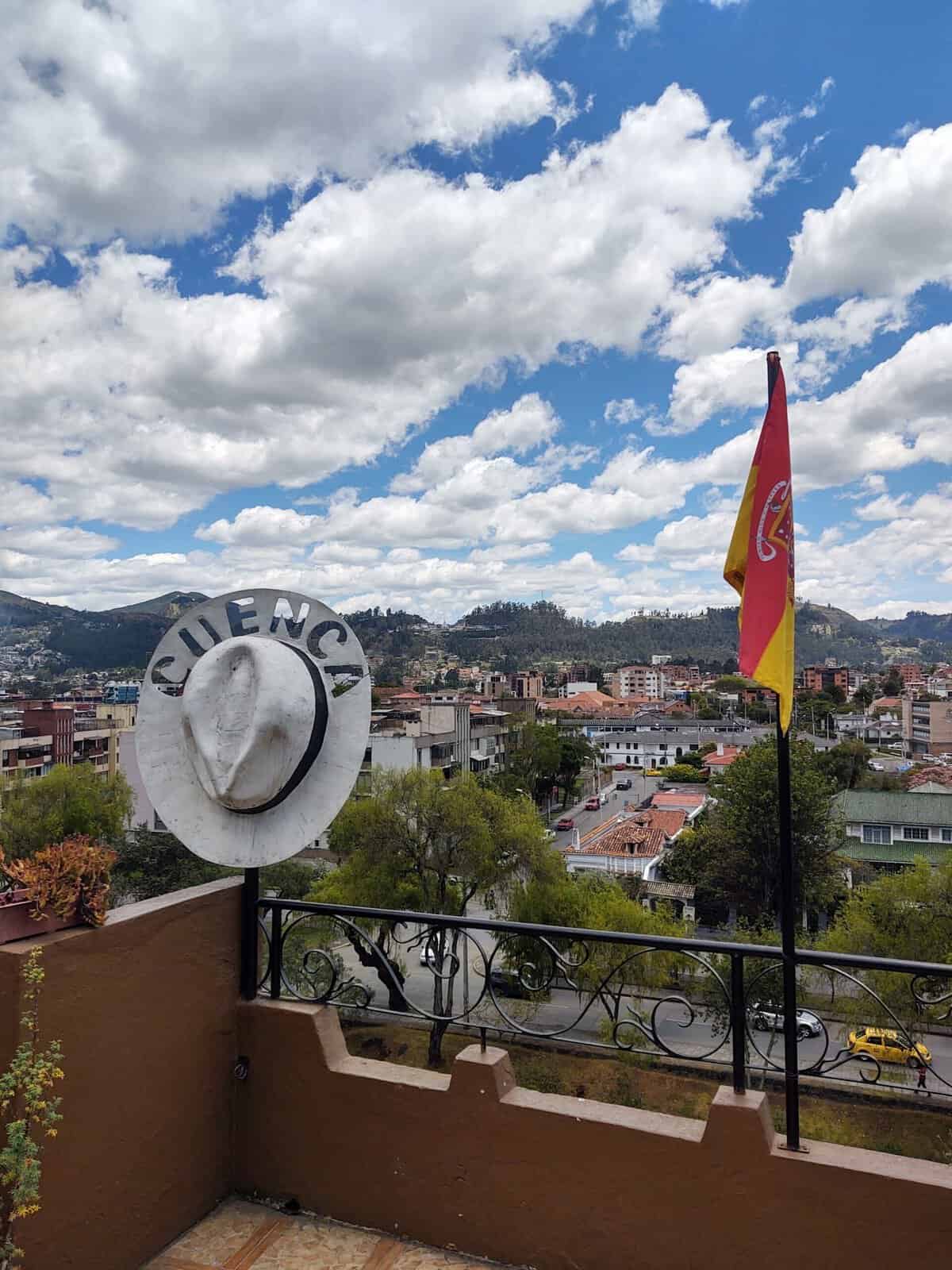
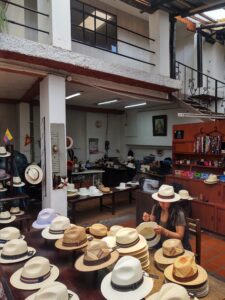
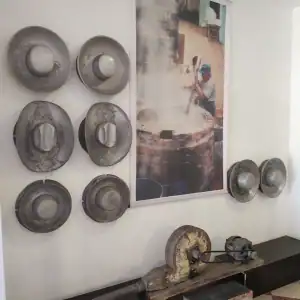
As the afternoon waned, I visited the famous Panama Hat Factory. Despite its name, the Panama hat originated in Ecuador, and Cuenca is one of the main centers of production. I toured the factory, learning about the intricate process of weaving these iconic hats, and even purchased one as a keepsake of my journey.
Day 5: A Day Trip to Cajas National Park
On the fifth day, I decided to skip a day trip to Cajas National Park, located just an hour’s drive from Cuenca. I had a bad hip which I eventually had replaced in the year, another story for another day. The park is a paradise for nature lovers, with its dramatic landscapes of rugged mountains, glacial lakes, and cloud forests. Traveling in a travel van from and to Guayaquil, I was able to catch some essence. As a solo traveler, I found the park’s tranquility and vastness to be both humbling and rejuvenating.
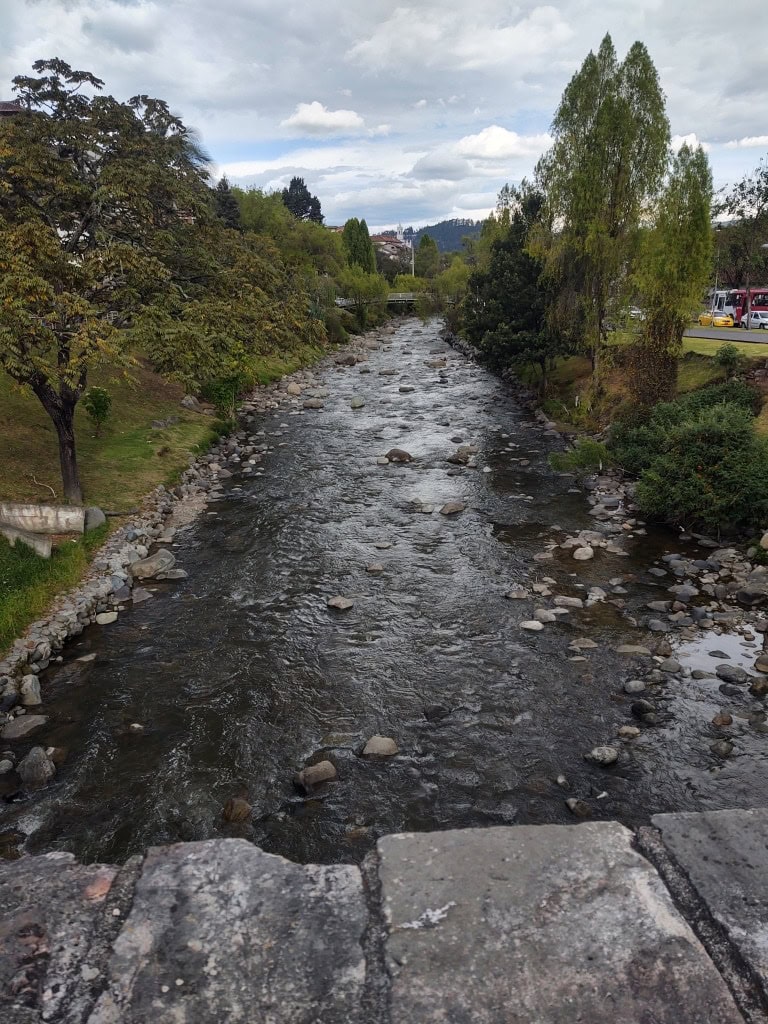
As my departure time approached, I took one last walk along the Tomebamba River, which runs through the heart of Cuenca. The river, flanked by picturesque houses and lush greenery, is a symbol of the city’s natural beauty and tranquility. I found a quiet spot to sit and reflect on my journey—a journey that had exceeded all expectations.
Ecuador, with its rich culture, diverse landscapes, and warm hospitality, had left an indelible mark on me. As a retired single traveler, I had come seeking adventure and new experiences, and I was leaving with memories that would last a lifetime. Guayaquil’s vibrancy and Cuenca’s serenity had offered the perfect balance, making this trip one of the most fulfilling of my life.
Travel: 7 Great Reasons You Should Do It More – Nomadic Stan