

My First 48 Hours in Buenos Aires: Palermo Cafes and Exploring Argentina’s Capital
After months of planning, our trip to Argentina had finally arrived.
Buenos Aires had been on my travel list for years. Often called the “Paris of South America,” the city is known for its European architecture, vibrant neighborhoods, incredible food scene, and rich cultural history. While I had traveled extensively throughout Latin America, Argentina would be a completely new experience.
Our ten-day adventure would eventually include Tigre, Colonia del Sacramento in Uruguay, Iguazu Falls, flight cancellations, a lost wallet, and more than a few unexpected twists. But before any of that happened, we had our first 48 hours in Buenos Aires to enjoy.
Looking back, those first two days provided the perfect introduction to Argentina’s capital city.
Arriving in Buenos Aires
Our journey began with an overnight flight that landed in Buenos Aires early in the morning.
Like most travelers arriving after a long international flight, we were tired but excited to finally be there.
One of the first things that stood out was how large the city felt. Buenos Aires is home to millions of people and stretches far beyond what many visitors imagine. Despite its size, there was an energy to the city that immediately felt welcoming.
After collecting our luggage and making our way into the city, we headed toward Palermo, the neighborhood we had chosen as our base.
Why We Chose Palermo
When researching Buenos Aires, one neighborhood kept appearing again and again: Palermo.
Palermo is one of the most popular areas for visitors and for good reason.
It offers:
Walkable streets
Countless cafes
Restaurants and bars
Tree-lined avenues
Parks and green spaces
Easy transportation options
For first-time visitors, Palermo provides an excellent balance between convenience and atmosphere.
The area felt modern, safe, and full of life.
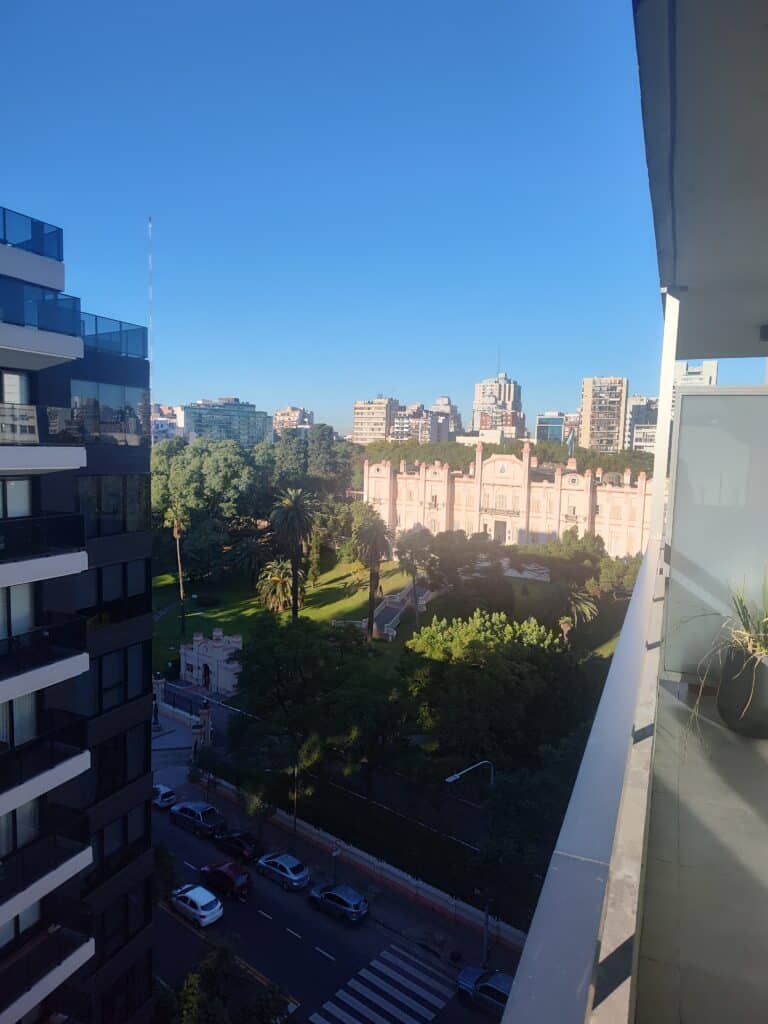
Settling Into Palermo
After checking into our accommodations and taking some time to recover from the flight, we headed out to explore.
One of my favorite things about visiting a new city is simply walking without a strict plan.
The first few hours in a destination are often about observation.
First Impressions
My initial impression of Buenos Aires was that it felt different from other Latin American cities I had visited.
The architecture immediately stood out.
Many buildings had a distinctly European feel, and certain streets reminded me more of Spain or Italy than what I expected to find in South America.
At the same time, there was no mistaking that we were in Argentina.
The language, food, culture, and pace of daily life created a unique atmosphere that quickly became one of the things I enjoyed most about the city.
Discovering Palermo’s Cafe Culture
One thing you quickly learn in Buenos Aires is that people take their coffee seriously.
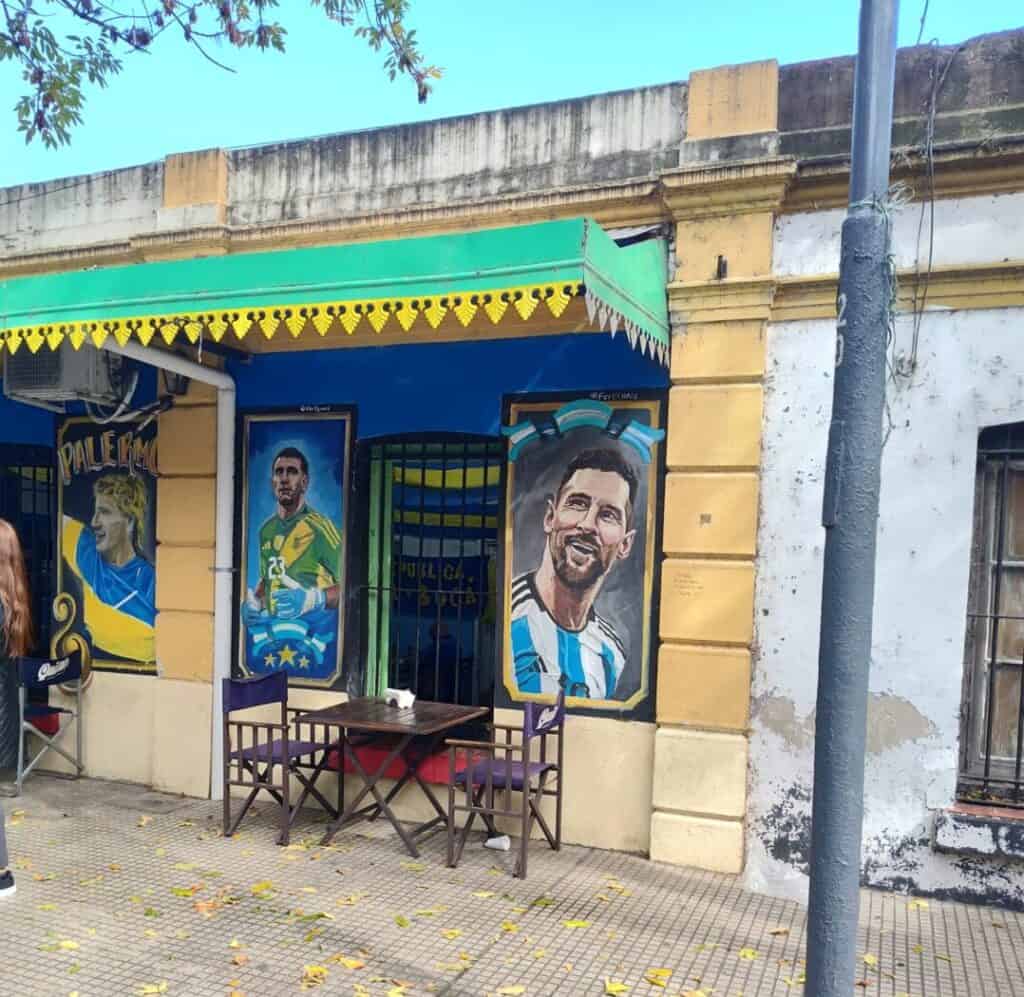
Palermo is filled with cafes ranging from small neighborhood spots to modern coffee shops that could compete with those in any major city.
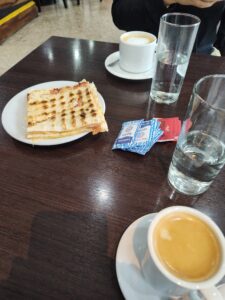
A Slower Pace
What I appreciated most was the pace.
People seemed comfortable sitting with a coffee, talking with friends, or simply enjoying the moment.
There wasn’t the same rush that often exists in larger North American cities.
As travelers, that atmosphere made it easy to settle into vacation mode.
Rather than trying to check attractions off a list, we found ourselves enjoying the simple experience of being in Buenos Aires.
Coffee and People Watching
Some of our favorite moments during those first two days involved nothing more complicated than finding a cafe, ordering a coffee, and watching the city move around us.
Sometimes the best travel memories come from those unscheduled moments.
Exploring the Neighborhood
One of the advantages of staying in Palermo is that there is always something happening nearby.
Walking through the neighborhood, we discovered:
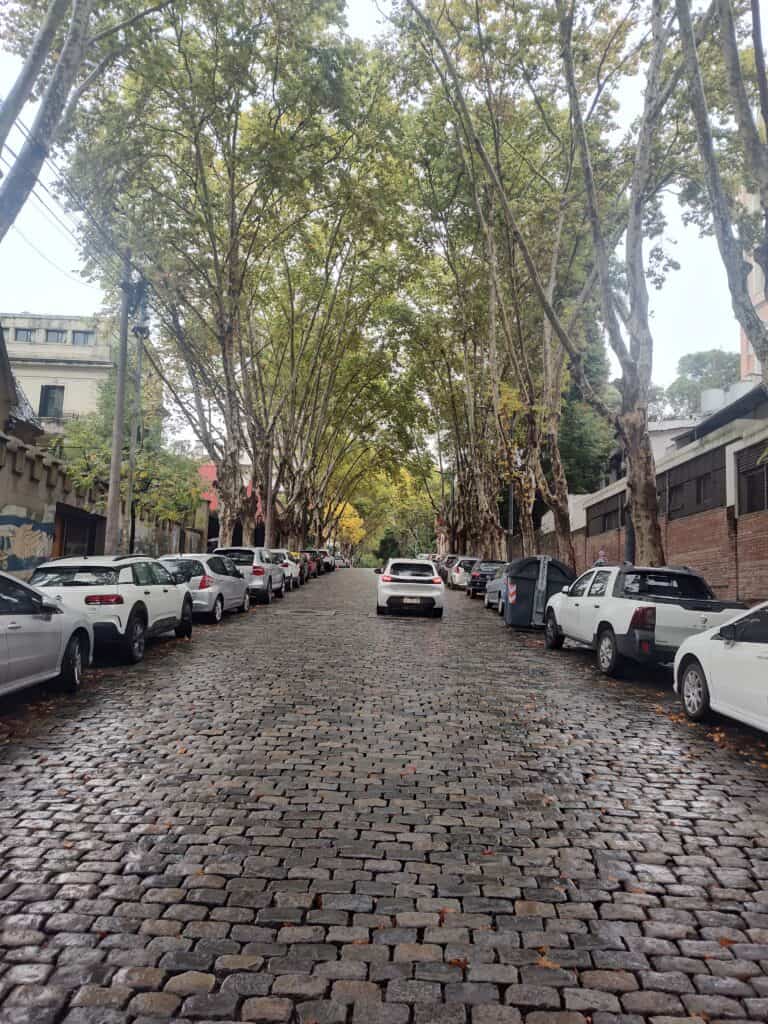
Tree-Lined Streets
Many streets felt surprisingly green and inviting.
The combination of shade, architecture, and outdoor seating created a pleasant environment for exploring on foot.
Parks and Open Spaces
Palermo is known for its parks and gardens.
Even if you’re not specifically seeking out attractions, the green spaces provide a welcome break from the city’s busy streets.
Local Businesses
From bakeries and bookstores to boutiques and restaurants, Palermo feels like a neighborhood that encourages exploration.
Every few blocks seemed to reveal something new.
Food During Our First 48 Hours
Argentina is famous for its food, particularly its beef, and I was looking forward to experiencing it firsthand.
While our trip would eventually include several memorable meals, those first two days provided an introduction to Argentina’s dining culture.
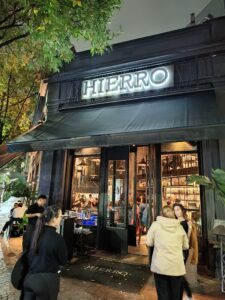
Relaxed Dining
Meals felt less rushed than what many American travelers are accustomed to.
Restaurants encouraged guests to stay, enjoy their meal, and take their time.

Argentine Hospitality
Throughout our first 48 hours, interactions with restaurant staff and local residents were generally positive.
Even with occasional language barriers, people were patient and welcoming.
Getting Comfortable in the City
One of the goals during the first couple of days in any destination is becoming familiar with your surroundings.
By the end of our second day, we had already developed a basic understanding of:
Local transportation
Neighborhood layout
Restaurant options
Daily routines
Areas we wanted to revisit
That familiarity made the rest of the trip much easier.
Exploring Recoleta
By the second day, we felt comfortable enough navigating Buenos Aires and decided to explore one of the city’s most famous neighborhoods: Recoleta.
If Palermo feels modern and trendy, Recoleta feels elegant and historic. Wide avenues, beautiful architecture, parks, and impressive buildings make it one of the most attractive areas in the city.
As we wandered through the neighborhood, it quickly became clear why so many visitors include Recoleta on their Buenos Aires itinerary. The area has a distinctly European feel, with grand buildings, outdoor cafes, and plenty of opportunities for photography.
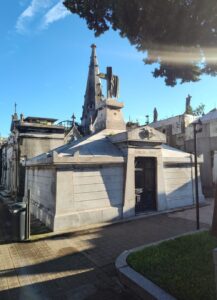
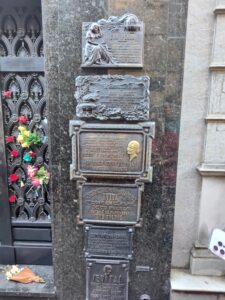
One of the highlights was walking around the area surrounding Recoleta Cemetery. Even for travelers who don’t typically visit cemeteries, the site is one of Buenos Aires’ most famous landmarks and is worth seeing simply for its unique architecture and historical significance.
Architecture, Parks, and People Watching
One thing that stood out during our time in Recoleta was how enjoyable it was simply to walk.
Some of my favorite travel experiences aren’t necessarily major attractions but rather the opportunity to wander through neighborhoods and observe daily life.
The tree-lined streets, historic buildings, and outdoor spaces made Recoleta feel very different from many other cities I have visited throughout Latin America.
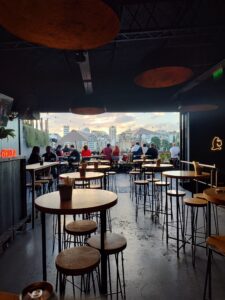
The neighborhood also provided some excellent photo opportunities and gave us a deeper appreciation for the character of Buenos Aires.
Returning to Palermo
After spending much of the day exploring Recoleta, we eventually made our way back toward Palermo.
Returning to Palermo almost felt like returning to our home base. By that point we already had a better understanding of the area, knew where to find coffee, restaurants, and transportation, and felt much more comfortable navigating the city.
We spent the evening enjoying a relaxed dinner and taking one last walk through the neighborhood before calling it a night.
The following morning we would be heading to Tigre, one of the most popular day trips from Buenos Aires, so it was a good opportunity to get organized and prepare for another full day of exploring.
Why Buenos Aires Works for First-Time Visitors
One thing that became clear quickly is why Buenos Aires remains one of South America’s most popular destinations.
Walkability
Many neighborhoods are easy to explore on foot.
Food Scene
Whether you’re interested in coffee, bakeries, steak, wine, or international cuisine, Buenos Aires delivers.
Culture
The city has a distinct identity that combines European influences with Argentine traditions.
Variety
There is enough to see and do that visitors can easily spend a week or more exploring different neighborhoods.
Looking Ahead
At the time, we had no idea how eventful the rest of our trip would become.
Over the next several days we would:
Take the train to Tigre
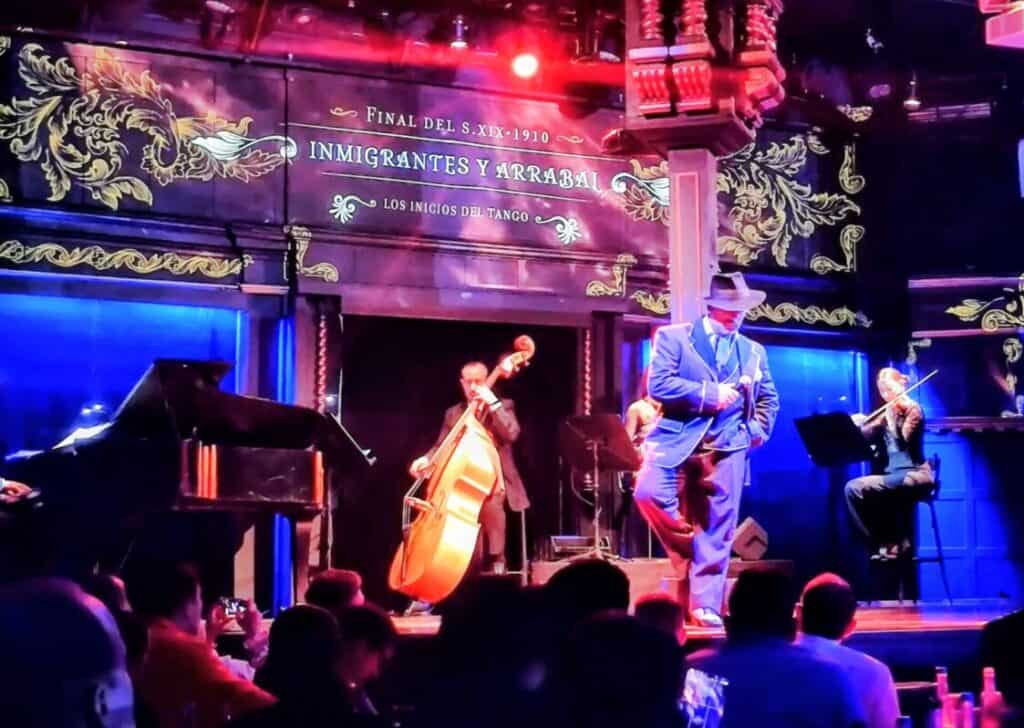
Attend a tango dinner show
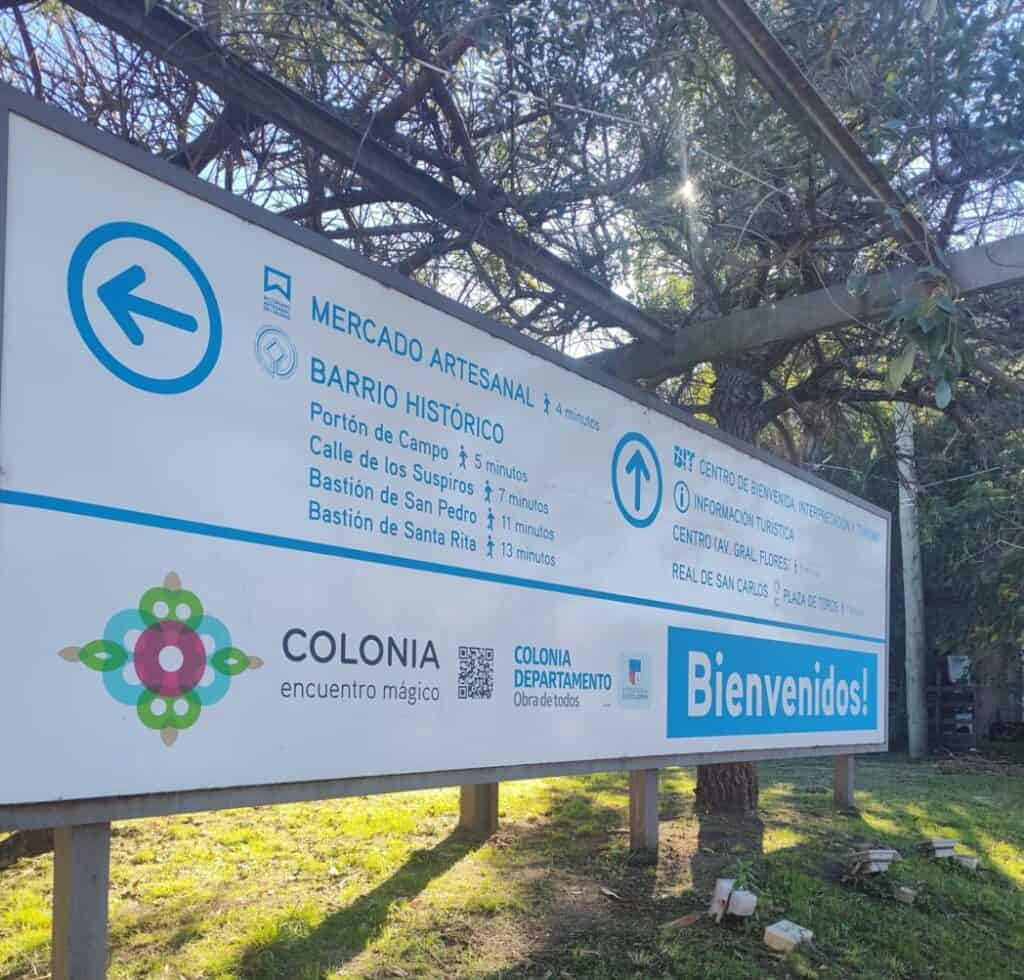
Visit Colonia del Sacramento, Uruguay
Lose my wallet
Deal with travel challenges
Experience Iguazu Falls from both Argentina and Brazil
But those stories would come later.
The first 48 hours were about settling in, exploring Palermo, enjoying great coffee, and getting our first taste of one of South America’s most fascinating cities.
Final Thoughts
During our first 48 hours in Buenos Aires, we experienced two very different sides of the city.
Palermo introduced us to Buenos Aires’ modern cafes, restaurants, and relaxed atmosphere, while Recoleta showcased the city’s history, architecture, and European influences.
Together they provided the perfect introduction to Argentina’s capital.
By the end of those two days, we had already fallen into a comfortable routine of walking, exploring, drinking coffee, and discovering new neighborhoods. More importantly, we felt confident enough navigating the city that we were ready for our next adventure: a day trip to Tigre and a tango dinner show later that evening.
Looking back, those first 48 hours were the ideal start to what would become one of the most memorable trips I’ve taken in South America.
Related Articles
Tigre Day Trip from Buenos Aires
Colonia del Sacramento Day Trip Guide
Is a Tango Dinner Show Worth It?
Losing My Wallet in Argentina: What Happened Next